
The Importance of Website Traffic Source Analysis
Website traffic source analysis is a crucial aspect of understanding how visitors find and interact with your website. By analysing the sources of your website traffic, you can gain valuable insights into the effectiveness of your marketing strategies and make informed decisions to optimise your online presence.
Types of Traffic Sources
There are several types of traffic sources that contribute to the overall visitor count on your website:
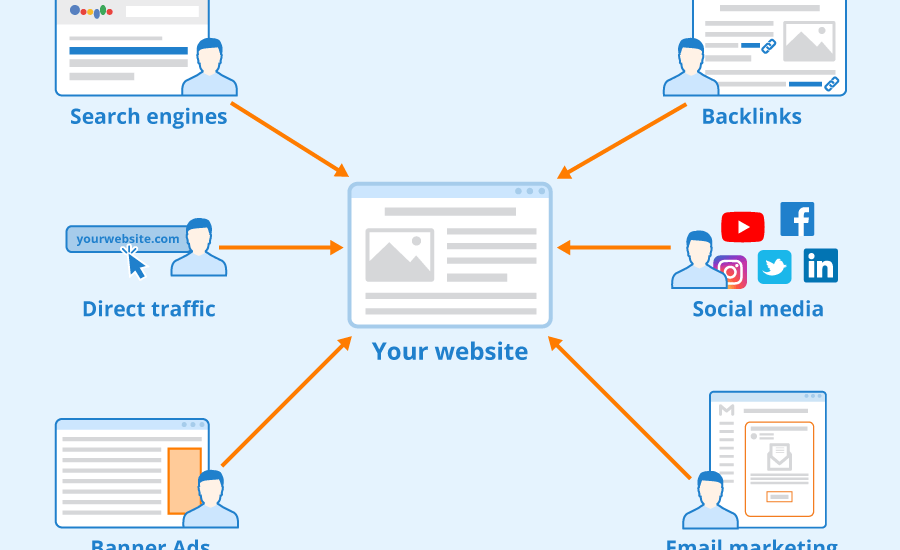
- Organic Search: Visitors who find your website through search engines like Google using relevant keywords.
- Direct Traffic: Visitors who directly type your website URL into their browser or use bookmarks to access your site.
- Referral Traffic: Visitors who land on your website from external sources such as social media platforms, other websites, or online directories.
- Campaign Traffic: Visitors who come to your site through specific marketing campaigns like email newsletters, PPC ads, or social media promotions.
The Benefits of Traffic Source Analysis
By analysing the different traffic sources to your website, you can:
- Determine which channels are driving the most traffic and focus your efforts on those that yield the best results.
- Evaluate the performance of your marketing campaigns and adjust strategies based on data-driven insights.
- Identify areas for improvement in terms of SEO, content quality, user experience, and overall website performance.
- Understand user behaviour patterns and preferences to tailor your content and marketing efforts accordingly.
Tools for Website Traffic Source Analysis
To effectively analyse website traffic sources, you can use various tools such as Google Analytics, SEMrush, Ahrefs, and SimilarWeb. These tools provide detailed reports on traffic sources, user demographics, behaviour metrics, and more to help you make informed decisions for enhancing your online presence.
In Conclusion
Website traffic source analysis is essential for optimising your digital marketing strategies and improving overall website performance. By understanding where your visitors come from and how they engage with your site, you can refine your approach to attract more qualified leads and enhance user experience. Invest time in analysing your traffic sources regularly to stay ahead in the competitive online landscape.
Maximising Website Success: The Benefits of Analysing Traffic Sources
- 1. Gain insights into how visitors find your website
- 2. Understand the effectiveness of your marketing strategies
- 3. Identify high-performing traffic sources for targeted efforts
- 4. Track and measure the impact of different marketing campaigns
- 5. Optimise SEO and content based on traffic source analysis
- 6. Improve user experience by tailoring content to visitor preferences
- 7. Make data-driven decisions to enhance website performance
- 8. Stay competitive in the online landscape with regular traffic analysis
Challenges in Website Traffic Source Analysis: Navigating Time, Complexity, and Context
- 1. Time-Consuming
- 2. Complexity
- 3. Data Overload
- 4. Inaccuracies
- 5. Costly Tools
- 6. Interpretation Bias
- 7. Limited Context
1. Gain insights into how visitors find your website
By conducting website traffic source analysis, businesses can gain valuable insights into how visitors discover their website. Understanding the specific channels through which users find and access the site, such as organic search, direct traffic, referrals, or campaigns, allows companies to tailor their marketing strategies effectively. By identifying the most successful sources of traffic, businesses can focus their efforts on optimising those channels to attract more qualified leads and enhance overall online visibility. This data-driven approach empowers organisations to make informed decisions that drive targeted traffic and improve user engagement on their websites.
2. Understand the effectiveness of your marketing strategies
By conducting website traffic source analysis, you can gain valuable insights into the effectiveness of your marketing strategies. By identifying which channels are driving the most traffic to your website, you can assess the performance of your marketing campaigns and make data-driven decisions to optimise your efforts. Understanding how different marketing strategies impact your website traffic allows you to allocate resources more efficiently, refine your messaging, and tailor your approach to attract and engage your target audience effectively.
3. Identify high-performing traffic sources for targeted efforts
Website traffic source analysis allows businesses to identify high-performing traffic sources, enabling them to focus their marketing efforts more strategically. By pinpointing the sources that drive the most valuable traffic, such as leads or conversions, organisations can allocate resources effectively towards those channels. This targeted approach not only maximises the return on investment but also helps in refining marketing strategies to attract and retain the right audience. Understanding which traffic sources deliver the best results empowers businesses to tailor their campaigns for optimal impact and engagement.
4. Track and measure the impact of different marketing campaigns
Website traffic source analysis allows businesses to track and measure the impact of different marketing campaigns effectively. By identifying the specific sources that drive traffic to a website, companies can assess the success of various marketing initiatives and understand which campaigns are generating the most significant results. This data-driven approach enables businesses to allocate resources more efficiently, refine their marketing strategies based on performance insights, and ultimately achieve higher ROI by focusing on the most effective campaigns.
5. Optimise SEO and content based on traffic source analysis
An important benefit of website traffic source analysis is the ability to optimise SEO and content strategies based on the insights gained. By understanding which traffic sources are driving the most visitors to your website, you can tailor your SEO efforts and content creation to better align with what resonates with your audience. For example, if organic search is a significant source of traffic, you can focus on targeting relevant keywords and creating high-quality content that appeals to search engine users. Similarly, if social media referrals are bringing in a large portion of visitors, you can adjust your content strategy to better engage with that audience on social platforms. This targeted approach helps improve overall visibility, relevance, and user engagement on your website.
6. Improve user experience by tailoring content to visitor preferences
Website traffic source analysis offers the valuable advantage of enhancing user experience through tailored content that aligns with visitor preferences. By understanding where users are coming from and how they engage with the website, businesses can personalise their content to cater to specific interests and needs. This proactive approach not only increases user engagement but also fosters a sense of relevance and connection, ultimately leading to higher satisfaction levels and improved retention rates.
7. Make data-driven decisions to enhance website performance
By utilising website traffic source analysis, businesses can make data-driven decisions to enhance their website performance. By understanding where their website traffic is coming from and how visitors are interacting with the site, businesses can identify areas for improvement and optimisation. This data-driven approach allows businesses to focus their efforts on strategies that have proven to be effective, leading to improved user experience, increased engagement, and ultimately, better overall website performance.
8. Stay competitive in the online landscape with regular traffic analysis
To stay competitive in the online landscape, regular traffic analysis is essential. By continuously monitoring and analysing website traffic sources, businesses can gain valuable insights into market trends, user behaviour, and competitor strategies. This proactive approach enables companies to adapt quickly to changing dynamics, identify new opportunities for growth, and fine-tune their digital marketing efforts to maintain a competitive edge in the ever-evolving online environment.
1. Time-Consuming
Analysing website traffic sources can be a time-consuming process due to the need for regular monitoring and in-depth data interpretation. Businesses must invest significant time and resources to track and analyse various traffic sources accurately. This ongoing effort is essential to gain valuable insights into the effectiveness of marketing strategies and make informed decisions for optimising website performance. The time commitment involved in traffic source analysis can sometimes be a challenge for busy teams, impacting their ability to focus on other critical tasks and initiatives within the organisation.
2. Complexity
The complexity of website traffic source analysis poses a significant challenge, particularly for individuals lacking a background in analytics. Interpreting data from diverse traffic sources requires a deep understanding of analytical techniques and metrics, making it daunting for those unfamiliar with the intricacies of data analysis. Without the necessary expertise, deciphering complex data sets and drawing meaningful insights can be overwhelming, hindering the ability to make informed decisions based on traffic source analysis. This barrier underscores the importance of investing in training or seeking assistance from professionals to effectively navigate the complexities of analysing website traffic sources.
3. Data Overload
One significant drawback of website traffic source analysis is the potential for data overload. With a plethora of traffic data sources at your disposal, it can be challenging to sift through and make sense of the vast amount of information available. The abundance of data can lead to analysis paralysis, where decision-making is hindered by the sheer volume of metrics and reports to process. This overload may result in difficulty in identifying key insights and taking actionable steps to improve website performance effectively.
4. Inaccuracies
One significant drawback of website traffic source analysis is the issue of inaccuracies. Despite the valuable insights they offer, traffic source analysis tools may not always deliver 100% accurate data. This can result in discrepancies in the information obtained, potentially leading to misinterpretations and misguided decisions. It is crucial for businesses to be aware of this limitation and exercise caution when drawing conclusions based on the data provided by these tools.
5. Costly Tools
Accessing advanced analytics tools for comprehensive traffic analysis can present a significant drawback due to the costs involved. For small businesses operating on limited budgets, investing in these tools may strain financial resources that could be allocated to other essential aspects of operations. The expense of acquiring and maintaining such tools can act as a barrier for smaller enterprises looking to delve deeper into understanding their website traffic sources and making data-driven decisions to improve their online presence. Finding cost-effective alternatives or prioritising key metrics becomes crucial in navigating this con of website traffic source analysis.
6. Interpretation Bias
Interpretation Bias is a significant con of website traffic source analysis. Misinterpreting or approaching traffic source data with bias can result in misguided decisions that have the potential to negatively impact your online strategy. When inaccurate conclusions are drawn from the data, it can lead to ineffective marketing campaigns, misallocation of resources, and missed opportunities for improvement. It is crucial to approach traffic analysis with objectivity and a critical eye to ensure that decisions are based on accurate insights rather than preconceived notions or biases.
7. Limited Context
One significant drawback of website traffic source analysis is its limited context. While analysing traffic sources is valuable, it may not offer a comprehensive understanding of user behaviour and preferences on its own. Ignoring other factors such as on-site interactions can result in an incomplete picture of how visitors engage with the website. To gain deeper insights into user behaviour, it is essential to consider a holistic approach that incorporates various metrics beyond just traffic sources.