
The Importance of SEO Competitor Keywords
In the world of Search Engine Optimization (SEO), understanding your competitors’ keywords is crucial to developing a successful strategy. Competitor keywords are the search terms that your rivals are ranking for in search engine results pages (SERPs). By analysing and leveraging this information, you can improve your own website’s visibility, attract more organic traffic, and outperform your competitors.
How to Identify Competitor Keywords
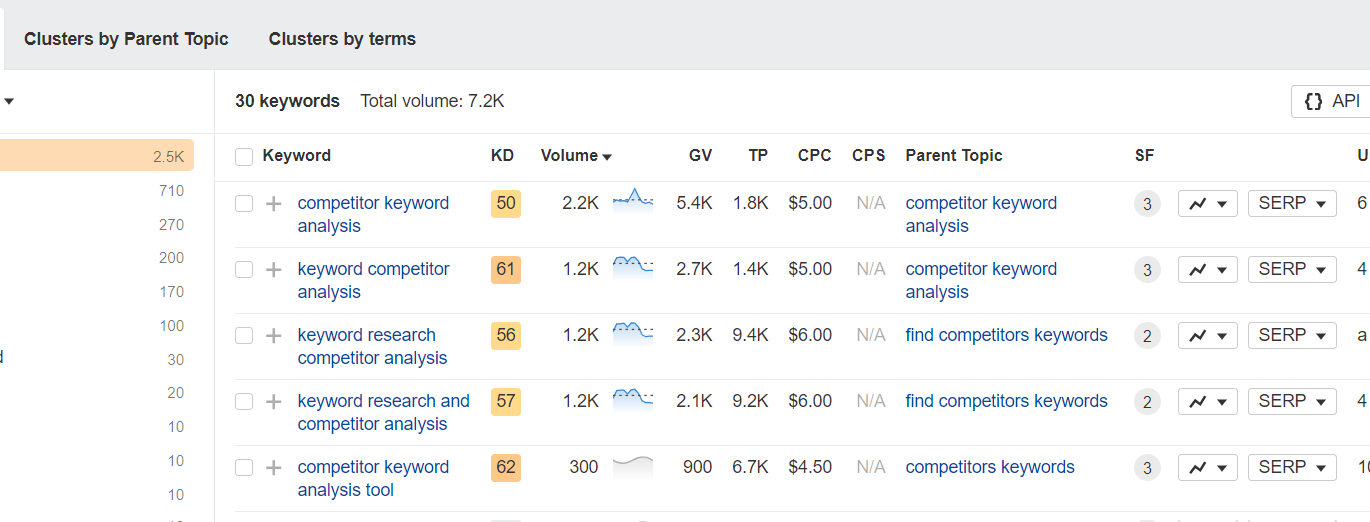
There are several tools available that can help you identify the keywords your competitors are targeting. These tools provide insights into the keywords they rank for, their search volume, and the level of competition. By conducting thorough keyword research and competitor analysis, you can uncover valuable opportunities to enhance your SEO efforts.
Benefits of Using Competitor Keywords
Integrating competitor keywords into your SEO strategy offers various benefits, including:
- Discover New Opportunities: By identifying competitor keywords, you can uncover new keyword opportunities that you may not have considered before.
- Improve Content Relevance: Incorporating relevant competitor keywords into your content can improve its relevance and increase its chances of ranking higher in SERPs.
- Stay Ahead of the Competition: By monitoring and utilising competitor keywords effectively, you can stay ahead of the competition and maintain a competitive edge in your industry.
- Enhance Keyword Strategy: Analysing competitor keywords allows you to refine and enhance your own keyword strategy, leading to better overall SEO performance.
Tips for Using Competitor Keywords
To make the most of competitor keywords in your SEO strategy, consider the following tips:
- Analyse Top Competitors: Focus on analysing the keywords used by your top competitors to identify trends and opportunities.
- Create Unique Content: Use competitor keywords as inspiration to create unique and valuable content that resonates with your target audience.
- Maintain Relevance: Ensure that any competitor keywords you incorporate into your strategy are relevant to your business and align with your overall goals.
- Monitor Performance: Continuously monitor the performance of competitor keywords to make data-driven decisions and adjustments as needed.
In conclusion, incorporating competitor keywords into your SEO strategy is a valuable tactic that can help boost your website’s visibility, attract more organic traffic, and achieve higher rankings in SERPs. By understanding and leveraging competitor keywords effectively, you can outperform your rivals and establish a strong online presence in today’s competitive digital landscape.
Mastering SEO: 6 Essential Tips for Leveraging Competitor Keywords
- Analyse your competitors’ keyword strategy to identify high-performing keywords.
- Focus on long-tail keywords that are specific to your niche and have lower competition.
- Regularly monitor your competitors’ keyword rankings and adjust your strategy accordingly.
- Use tools like SEMrush, Ahrefs, or Moz to conduct in-depth competitor keyword research.
- Incorporate competitor keywords strategically in your content while maintaining relevance and quality.
- Stay updated on industry trends and changes in search algorithms to stay ahead of the competition.
Analyse your competitors’ keyword strategy to identify high-performing keywords.
To enhance your SEO strategy, it is essential to analyse your competitors’ keyword tactics to pinpoint high-performing keywords. By studying the keywords that are driving traffic and engagement for your rivals, you can uncover valuable insights into effective search terms within your industry. Identifying these high-performing keywords allows you to strategically integrate them into your own content, improving your website’s visibility and attracting targeted organic traffic. This competitive analysis not only helps you stay informed about industry trends but also empowers you to refine your keyword strategy for optimal results in search engine rankings.
Focus on long-tail keywords that are specific to your niche and have lower competition.
When utilising competitor keywords in your SEO strategy, it is beneficial to focus on long-tail keywords that are specific to your niche and have lower competition. Long-tail keywords, which consist of more extended and specific phrases, can help target a more qualified audience interested in your products or services. By incorporating these niche-specific long-tail keywords into your content, you can enhance relevance, attract targeted traffic, and increase the likelihood of ranking higher in search engine results pages. Additionally, targeting less competitive long-tail keywords can offer a strategic advantage by allowing you to capture valuable organic traffic while minimising competition from larger competitors.
Regularly monitor your competitors’ keyword rankings and adjust your strategy accordingly.
To stay ahead in the competitive landscape of SEO, it is essential to regularly monitor your competitors’ keyword rankings and adjust your strategy accordingly. By keeping a close eye on the keywords that your rivals are ranking for, you can identify emerging trends, new opportunities, and potential threats to your own search engine visibility. This proactive approach allows you to adapt and refine your SEO strategy in real-time, ensuring that you remain competitive and maximise the effectiveness of your keyword targeting efforts.
Use tools like SEMrush, Ahrefs, or Moz to conduct in-depth competitor keyword research.
To conduct comprehensive competitor keyword research for SEO, utilise tools such as SEMrush, Ahrefs, or Moz. These powerful platforms offer valuable insights into the keywords your competitors are ranking for, their search volume, and the level of competition surrounding those terms. By leveraging these tools effectively, you can gain a deeper understanding of your competitors’ strategies and identify lucrative keyword opportunities to enhance your own SEO efforts.
Incorporate competitor keywords strategically in your content while maintaining relevance and quality.
To enhance your SEO strategy with competitor keywords, it is essential to integrate them strategically into your content while prioritising relevance and quality. By incorporating competitor keywords thoughtfully, you can improve the visibility of your website in search engine results pages (SERPs) while ensuring that your content remains valuable and engaging for your target audience. Balancing the use of competitor keywords with maintaining high-quality content that aligns with your brand’s message will not only attract organic traffic but also establish credibility and authority in your industry.
Stay updated on industry trends and changes in search algorithms to stay ahead of the competition.
To stay ahead of the competition when utilising SEO competitor keywords, it is essential to stay updated on industry trends and changes in search algorithms. By keeping abreast of the latest developments in the SEO landscape, you can adapt your strategy accordingly and capitalise on emerging opportunities. Understanding how search algorithms evolve and impact keyword rankings will enable you to make informed decisions that give you a competitive edge in the ever-changing digital marketing environment.