
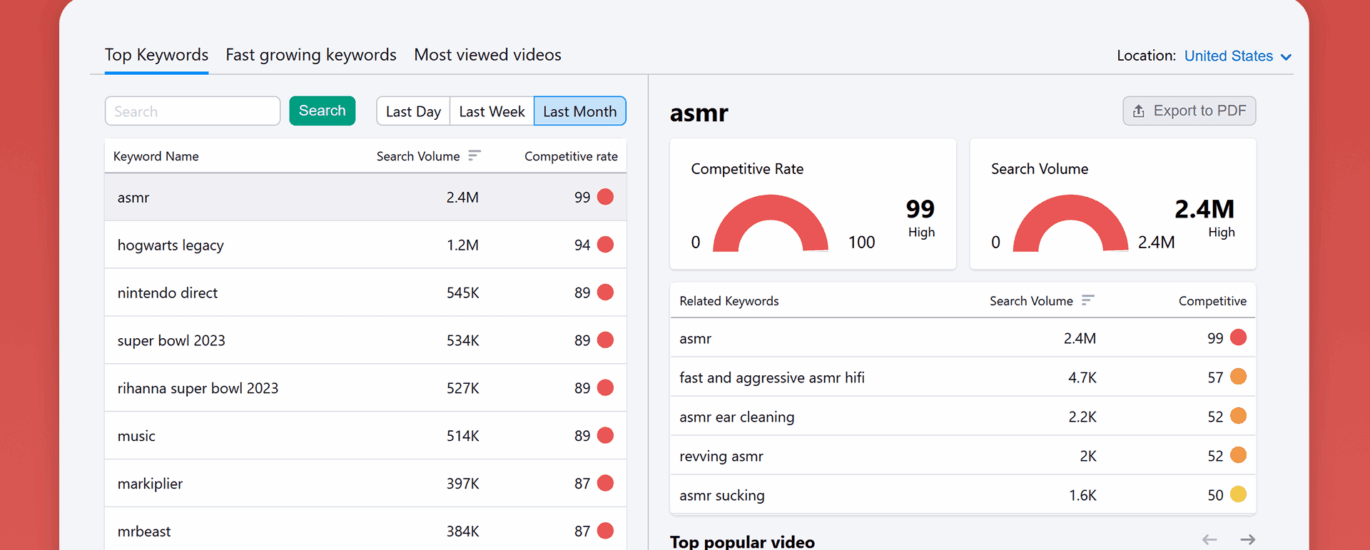
Semrush Keyword Analysis: A Practical Guide
Choosing the right keywords is an important part of building an effective SEO strategy. Semrush offers a set of tools for researching search terms, understanding what people are looking for and finding opportunities to improve a website’s visibility. Used thoughtfully, its data can help you decide which topics to prioritise and how to create content that meets searchers’ needs.
What is keyword analysis?
Keyword analysis is the process of researching and assessing the words and phrases people enter into search engines. It helps you understand the demand for a topic, the competition for relevant searches and the intent behind them.
Semrush brings several kinds of information together, including estimated search volume, keyword difficulty, search intent and related terms. These figures are estimates rather than guarantees, so they work best when considered alongside your knowledge of your audience and business.
Why use Semrush for keyword research?
Semrush can help you:
- Find keywords related to your products, services or content topics
- Explore the terms that competitors appear for in organic search
- Compare search demand and competition between keywords
- Identify questions and related searches for content planning
- Organise keywords into groups and track changes over time
Rather than selecting keywords based on search volume alone, use the data to build a clearer picture of what your audience wants and whether your site can provide a useful answer.
How to carry out keyword analysis in Semrush
Start with a clear goal
Decide what you want your research to achieve. You might be planning a new service page, improving an existing article, researching a product category or looking for topics to support a wider content campaign.
Keep your audience and location in mind. A business targeting customers in the UK should set the appropriate country database when researching, as search behaviour and keyword metrics can differ between markets.
Enter a seed keyword
A seed keyword is a broad starting term that describes your subject. For example, a business selling running equipment might begin with “running shoes”. Semrush can then show related terms, variations and questions to investigate.
Try several seed keywords rather than relying on one. Different starting points can reveal distinct areas of demand, such as product comparisons, buying advice or problems people want to solve.
Review the key metrics
When assessing a keyword, consider several signals together:
- Search volume: An estimate of how often people search for a term. Higher volume may mean a larger potential audience, but it can also mean more competition.
- Keyword difficulty: An estimate of how challenging it may be to rank organically. Treat it as a guide, not a definitive verdict on your chances.
- Search intent: The likely purpose behind a search, such as finding information, comparing options or making a purchase.
- Cost per click (CPC): An estimate used in paid-search research. It can offer a clue about commercial interest, but it does not directly measure organic value.
- Trends: Changes in search interest over time. These can help you spot seasonal demand or topics that are gaining attention.
A keyword with modest search volume may be more valuable than a broad, popular phrase if it closely matches your offering and attracts visitors who are ready to take action.
Understand the search intent
Search intent should guide the type of page you create. A search for “how to clean leather trainers” suggests that the user wants instructions. A search for “leather trainers for sale” suggests a stronger purchasing intent.
Check the search results for your shortlisted terms as well as Semrush’s intent classification. Look at the pages that rank: are they guides, category pages, product listings or comparison articles? The results offer useful evidence about the format searchers and search engines appear to favour.
Explore related keywords and questions
Related-keyword and question reports can uncover useful subtopics. These terms may help you expand an article, plan a frequently asked questions section or identify a separate page worth creating.
Do not add every related phrase to one page. Include terms only where they fit naturally and help answer the reader’s question. A clear, useful page is more valuable than content written to repeat keywords.
Analyse competitors
Semrush’s competitor research tools can show which keywords other websites appear to rank for. This can reveal topics you have not covered and help you understand the type of content competing for visibility.
Use competitor data as inspiration, not a template. A keyword may be relevant to another site but unsuitable for yours. Check whether the topic aligns with your expertise, audience and commercial goals before adding it to your plan.
Group keywords into themes
Once you have a shortlist, organise terms into topic groups. A group might cover one main subject and the related questions or variations that belong with it. This makes it easier to decide whether a group should inform a single page or several pages.
Keyword grouping can also help prevent multiple pages on your site from competing for the same search. Assign each important topic to the page best placed to address it.
Choose keywords you can realistically target
Prioritise keywords based on relevance, intent, competition and potential value—not just volume. Consider your site’s existing authority, the quality of your proposed content and how well the topic supports your business.
A balanced plan might include specific, lower-competition terms alongside broader topics that may take longer to compete for. The right mix depends on your website, resources and objectives.
Turning keyword research into a content plan
After the analysis, create a simple keyword map. For each page or planned article, record:
- The main topic or target keyword
- Related terms and questions to cover naturally
- The intended search intent
- The type of page that best meets that intent
- The page’s purpose and desired next step for the reader
This gives writers and editors a practical brief without making keywords the sole focus. Content should be accurate, easy to navigate and genuinely helpful to the people it is intended to reach.
Common mistakes to avoid
- Chasing search volume alone: A large audience is not useful if the topic is irrelevant or the intent does not match your offer.
- Treating difficulty scores as promises: Keyword difficulty is an estimate. Rankings depend on many factors, including relevance, content quality and competition.
- Forcing keywords into copy: Awkward repetition can make content harder to read. Use natural language and cover the subject comprehensively.
- Ignoring the search results: Tool data cannot replace reviewing the pages already ranking for a term.
- Targeting the same topic on several pages: Map keywords to pages carefully to reduce overlap and confusion.
- Failing to review performance: Search demand and rankings change. Revisit important pages and update your plan when the evidence suggests it is needed.
How to measure the results
Keyword analysis is only the starting point. After publishing or updating a page, monitor its organic visibility, rankings, relevant traffic and conversions. Semrush’s position-tracking features can help you follow selected keywords, while analytics and search performance tools can show whether visitors are engaging with the page and taking useful actions.
Allow time for changes to be crawled and assessed, and avoid drawing conclusions from a single ranking movement. Use performance data to identify pages that need a clearer focus, stronger information or a better match for search intent.
Conclusion
Semrush keyword analysis can make SEO research more structured by bringing keyword ideas, estimated metrics, competitor insights and tracking tools together. The strongest results come from using that information with sound judgement: understand the audience, check the intent, assess the competition and create pages that provide genuine value.
Semrush Keyword Analysis: 7 Frequently Asked Questions
- What is the best keyword search tool for SEO?
- What are the 4 types of keywords?
- Is Semrush the best SEO tool?
- Can I use Semrush for free?
- Is Semrush good for keyword research?
- How do I find keywords in Semrush?
- What is KD% in Semrush?
What is the best keyword search tool for SEO?
The best keyword search tool for SEO depends on your needs, budget and workflow. Semrush is a popular all-in-one option, offering keyword ideas, estimated search volume, competition metrics, search intent insights and competitor research. Other tools can also be useful, so compare their data, features and pricing, and treat search metrics as estimates rather than guarantees. The right choice is the one that helps you find relevant keywords and create content that meets your audience’s needs.
What are the 4 types of keywords?
The four main types of keywords are informational, navigational, commercial and transactional. Informational keywords show that someone wants to learn about a topic; navigational keywords help them find a particular website or brand; commercial keywords suggest they are researching or comparing options before making a decision; and transactional keywords indicate they are ready to take action, such as buying a product or booking a service. In Semrush keyword analysis, identifying search intent helps you choose the right type of page and create content that matches what people are looking for.
Is Semrush the best SEO tool?
Whether Semrush is the best SEO tool depends on your needs, budget and workflow. It offers a broad range of features for keyword research, competitor analysis, site audits and rank tracking, making it a strong all-in-one option for many businesses and SEO professionals. However, other tools may suit particular tasks or budgets better, so compare features, pricing and data limits before deciding. The best choice is the one that provides useful insights for your goals and that your team will use consistently.
Can I use Semrush for free?
Yes, you can use Semrush for free by creating an account, which gives you limited access to selected tools and reports. Free usage may come with restrictions on the number of searches, results or projects, while more extensive keyword analysis requires a paid subscription. Available features and limits can change, so check Semrush’s current plans for details.
Is Semrush good for keyword research?
Yes, Semrush is a strong tool for keyword research, offering keyword ideas, estimated search volumes, competition metrics, search-intent insights and competitor data in one place. It can help you discover opportunities and organise topics, but its figures are estimates rather than guarantees. For the best results, combine them with your knowledge of your audience, review the search results yourself and prioritise keywords that match your goals and the content you can provide.
How do I find keywords in Semrush?
To find keywords in Semrush, open the Keyword Magic Tool, choose the relevant country database and enter a seed term related to your topic. Semrush will generate related keywords, questions and variations, which you can filter by search volume, keyword difficulty, intent and other metrics. Review the suggestions and search results, then shortlist terms that match your audience and the purpose of your page.
What is KD% in Semrush?
In Semrush, KD% (Keyword Difficulty) is an estimate of how hard it may be to rank in Google’s top 10 organic results for a keyword. It is shown as a percentage: generally, a higher score indicates stronger competition and a greater need for factors such as authoritative backlinks, while a lower score may suggest an easier opportunity. Treat KD% as a guide rather than a guarantee, and consider it alongside search intent, relevance and the strength of the pages already ranking.