
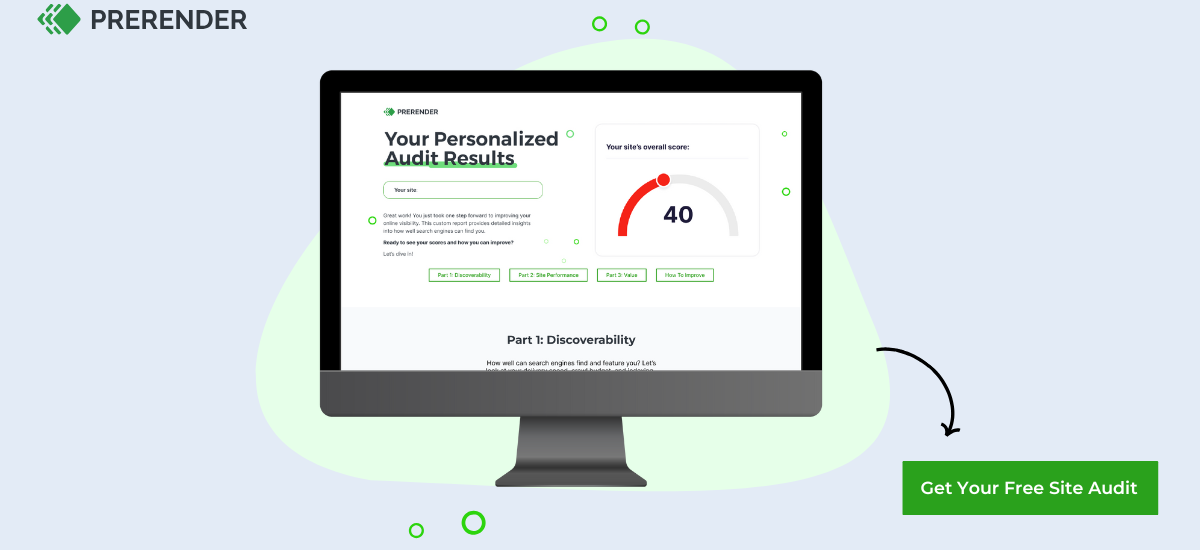
Free Website Audit for SEO: What to Check and How to Get Started
A free website audit for SEO can help you spot issues that make it harder for search engines to crawl, understand or rank your pages. It can also highlight practical improvements to your site’s usability and performance.
Free tools are a useful starting point, but they do not always provide a complete picture. The best results come from combining automated checks with a careful review of your content, website structure and visitors’ experience.
What is an SEO website audit?
An SEO audit is a review of the factors that can affect your website’s visibility in organic search results. It typically examines technical setup, page content, internal links, mobile usability and other signals that help search engines interpret your site.
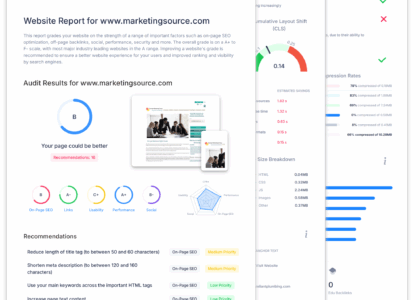
A free audit may scan some or all of these areas and produce a list of possible issues. Depending on the tool, you might receive recommendations about broken links, missing page titles, slow-loading pages or crawlability problems.
What can a free SEO audit check?
Technical SEO
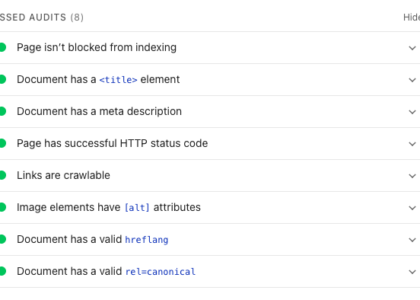
Technical checks look at whether search engines can access and index your pages. An audit may flag problems with your robots.txt file, XML sitemap, redirects, broken links or pages returning errors. It may also identify duplicate URLs or pages that are unintentionally marked as noindex.
Page titles and meta descriptions
Page titles help describe the subject of a page in search results and browser tabs. Meta descriptions can provide a useful summary for searchers. An audit may identify titles or descriptions that are missing, duplicated or unusually long. Treat these as prompts for review rather than rigid rules: the right wording should accurately represent each page and encourage the right audience to click.
Content and headings
Some audit tools check whether pages have a clear heading structure, relevant text and descriptive image alt text. These checks can reveal omissions, but they cannot reliably judge the usefulness, accuracy or originality of your content. Review important pages yourself to make sure they answer visitors’ questions and demonstrate your expertise.
Mobile usability and page experience
Your website should be easy to use on phones and tablets as well as desktop computers. A basic audit may identify mobile layout problems or performance concerns. Google’s PageSpeed Insights can provide additional information about loading performance and Core Web Vitals, along with suggestions for improvement.
Internal links and navigation
Internal links help visitors move around your site and help search engines discover related pages. An audit can uncover broken links or pages with very few links pointing to them. Check that your navigation is clear and that important pages are reachable in a logical number of clicks.
How to run a free website SEO audit
- Choose a reputable tool. Look for a tool that explains its findings and gives you enough information to check them. Avoid relying on a single automated score as a measure of SEO success.
- Enter the correct website address. Use your preferred version of the domain, including the correct protocol and subdomain, and make sure the tool is auditing the pages you care about.
- Review the results by priority. Start with issues that prevent pages from being accessed or indexed, followed by broken links, important page-level problems and performance concerns.
- Check the evidence. Open the affected pages and confirm that each recommendation applies. Automated tools can sometimes misinterpret a page or flag issues that are not important in your particular case.
- Make changes carefully. Back up your website before making technical changes. If you are unsure about redirects, indexing settings or server configuration, ask a developer for help.
- Recheck and monitor. Run the audit again after changes, and use search performance data over time to see whether your work is having the intended effect.
Free tools to include in your review
A practical audit can combine several free resources:
- Google Search Console provides information about how Google finds and indexes your site, as well as search performance data and certain page experience reports.
- Google PageSpeed Insights analyses a URL’s performance and suggests possible improvements for mobile and desktop.
- Bing Webmaster Tools offers site and search data for Bing, including tools to help identify technical issues.
- A free website crawler may help you find broken links, missing metadata and other on-page issues. Check the provider’s crawl limits and privacy terms before using it.
What a free audit may not tell you
Free audits often have limits on the number of pages they can scan, the depth of their analysis or how often they can be used. They may not assess competitors, local search visibility, backlink quality or the commercial value of individual pages. Some recommendations may also be generic and need to be interpreted in context.
Most importantly, an audit cannot guarantee higher rankings. Search visibility depends on many factors, including the quality and relevance of your pages, competition, search intent and the way search engines assess results. An audit is a diagnostic tool, not a promise of specific outcomes.
How to prioritise your findings
It is tempting to fix every warning at once, but not every issue has the same impact. A sensible order is:
- Resolve problems that prevent important pages from being crawled or indexed.
- Fix broken pages, faulty redirects and significant navigation issues.
- Improve the content and page titles of important pages that do not meet visitors’ needs.
- Address mobile usability and performance issues that affect the experience of real users.
- Review lower-priority recommendations and decide whether they are relevant to your site.
Make your free SEO audit a regular habit
A one-off website audit can uncover useful opportunities, but regular checks are more effective. New pages, redesigns, software updates and changes to your content can introduce problems over time. Schedule occasional reviews, keep track of completed fixes and monitor your search data for changes.
With the right approach, a free website audit for SEO can give you a clear starting point. Use it to identify genuine problems, improve your visitors’ experience and build a stronger foundation for your website’s long-term search visibility.
6 Benefits of a Free SEO Website Audit
- Identifies technical SEO issues.
- Highlights broken links and errors.
- Finds missing titles and descriptions.
- Offers quick, low-cost insights.
- Helps prioritise website improvements.
- Provides a useful SEO starting point.
6 Drawbacks of Free SEO Website Audits
- Limited features compared with paid audits.
- May only scan a small number of pages.
- Automated results can be inaccurate.
- Recommendations may lack useful context.
- Often excludes competitor and backlink analysis.
- Does not guarantee improved rankings.
Identifies technical SEO issues.
A free website SEO audit can help uncover technical issues that may prevent search engines from crawling, understanding or indexing your pages. It may flag broken links, crawl errors, missing sitemaps, redirect problems or pages that are accidentally blocked from search results. Identifying these issues gives you a practical starting point for improving your site’s technical health and making important content easier to find.
Highlights broken links and errors.
A free website SEO audit can quickly highlight broken links and errors that may frustrate visitors or prevent search engines from accessing important pages. By identifying issues such as links leading to missing pages, server errors and faulty redirects, an audit gives you a clear starting point for repairs. Fixing these problems can make your site easier to navigate and help search engines crawl it more effectively.
Finds missing titles and descriptions.
A free SEO website audit can quickly identify pages with missing title tags or meta descriptions. These elements help search engines and visitors understand what each page is about, so finding gaps makes it easier to create clearer, more informative search listings. Review each recommendation before making changes, and write unique, relevant titles and descriptions that accurately reflect the page’s content.
Offers quick, low-cost insights.
A free website SEO audit offers quick, low-cost insights into your site’s performance, helping you spot common issues such as broken links, missing page titles or slow-loading pages without committing to a paid service. It’s a straightforward way to identify potential improvements and decide what to tackle next.
Helps prioritise website improvements.
A free website audit for SEO helps you prioritise website improvements by highlighting issues that may affect search visibility and user experience. Instead of trying to fix everything at once, you can identify the most important problems—such as pages that cannot be indexed, broken links or slow-loading content—and tackle them first. This gives you a clearer, more manageable plan for improving your website over time.
Provides a useful SEO starting point.
A free website SEO audit provides a useful starting point by highlighting areas that may need attention, such as broken links, missing page titles or indexing issues. It gives you a clearer picture of your site’s current health and helps you decide which improvements to prioritise, without requiring an initial investment.
Limited features compared with paid audits.
One drawback of a free website SEO audit is that it usually offers fewer features than a paid audit. Free tools may limit how many pages they can crawl, provide only basic technical checks, or omit useful insights into backlinks, competitors and keyword opportunities. As a result, they can be a helpful starting point, but may not give you the detailed analysis needed to uncover more complex issues or plan a comprehensive SEO strategy.
May only scan a small number of pages.
A key drawback of a free website SEO audit is that it may scan only a small number of pages. This can leave issues on deeper sections of your site undiscovered, such as broken links, missing metadata or indexing problems. As a result, the report may give an incomplete picture, particularly for larger websites, so check the tool’s crawl limit and consider reviewing important pages separately.
Automated results can be inaccurate.
Automated results from a free SEO website audit can be inaccurate because tools rely on set rules and may not understand the context of your site. They can flag harmless issues as problems, miss more complex technical faults or suggest changes that are not suitable for your pages. Treat the report as a starting point, then check each recommendation against your website and priorities before making changes.
Recommendations may lack useful context.
One drawback of a free SEO website audit is that its recommendations may lack useful context. Automated tools can flag issues without understanding your business, audience, website goals or the importance of the affected pages. As a result, advice may be too generic, overly cautious or not relevant to your situation. Review each suggestion carefully and prioritise changes based on their likely impact, rather than treating every warning as something that must be fixed.
Often excludes competitor and backlink analysis.
One limitation of a free SEO website audit is that it often excludes competitor and backlink analysis. Without these insights, it can be difficult to understand how your site compares with others in search results or to assess the quality and influence of links pointing to your pages. As a result, the audit may identify technical and on-page issues but miss wider opportunities to improve your search visibility.
Does not guarantee improved rankings.
A free website SEO audit can highlight technical issues and opportunities, but it cannot guarantee improved rankings. Search positions depend on many factors, including the quality and relevance of your content, competition and changes to search engine algorithms. An audit is a useful starting point, but its recommendations need to be prioritised and implemented effectively—and results may take time to appear.