
The Importance of Checking Website SEO Keywords
Search Engine Optimization (SEO) is crucial for any website looking to increase its online visibility and attract more organic traffic. One key aspect of SEO is selecting the right keywords that align with your content and target audience. However, it’s not enough to simply choose keywords arbitrarily; regularly checking and updating your website’s SEO keywords is essential for maintaining a competitive edge in the digital landscape.
Why Check Website SEO Keywords?
By regularly monitoring and analysing your website’s SEO keywords, you can:
- Ensure Relevance: Keeping up-to-date with trending keywords and phrases helps ensure that your content remains relevant to search engine algorithms and user queries.
- Improve Ranking: Updating your keywords based on performance data can help improve your website’s ranking on search engine results pages (SERPs).
- Stay Competitive: Monitoring competitors’ keyword strategies can provide valuable insights into new opportunities or trends in your industry.
- Enhance User Experience: Using the right keywords not only attracts more visitors but also enhances user experience by delivering content that matches their search intent.
How to Check Website SEO Keywords
There are several tools and techniques available to help you check and optimise your website’s SEO keywords:
- Keyword Research Tools: Utilise tools like Google Keyword Planner, SEMrush, or Ahrefs to identify relevant keywords with high search volumes and low competition.
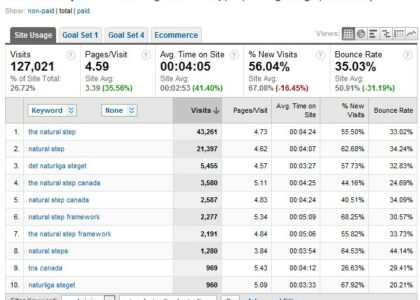
- Analyse Performance: Use analytics tools to track the performance of your current keywords, including click-through rates, bounce rates, and conversion rates.
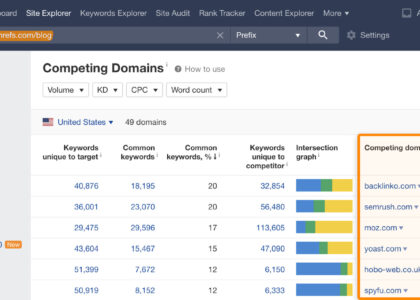
- Competitor Analysis: Monitor competitors’ keyword strategies to identify gaps or opportunities for improvement in your own keyword selection.
- Content Audit: Regularly audit your website content to ensure that it aligns with your chosen keywords and reflects current trends in your industry.
In conclusion, checking and updating your website’s SEO keywords is a fundamental aspect of maintaining a strong online presence. By staying informed about keyword trends, analysing performance data, and adapting to changes in search algorithms, you can enhance your website’s visibility, attract more organic traffic, and ultimately achieve greater success in the digital realm.
6 Essential Tips for Optimising Your Website’s SEO Keywords
- Conduct thorough keyword research to identify relevant and high-traffic keywords for your website.
- Use tools like Google Keyword Planner, SEMrush, or Ahrefs to discover popular keywords in your niche.
- Optimise your website’s meta tags, headings, and content with the selected keywords.
- Ensure that your website’s URL structure includes relevant keywords for better SEO performance.
- Regularly monitor keyword rankings and make adjustments to your SEO strategy as needed.
- Consider long-tail keywords for more specific targeting and higher conversion rates.
Conduct thorough keyword research to identify relevant and high-traffic keywords for your website.
Conducting thorough keyword research is a vital step in enhancing your website’s Search Engine Optimization (SEO) strategy. By identifying relevant and high-traffic keywords that align with your content and target audience, you can significantly improve your website’s visibility and attract more organic traffic. Utilising tools such as Google Keyword Planner, SEMrush, or Ahrefs can help you uncover valuable insights into trending keywords with high search volumes and low competition. By selecting the right keywords based on comprehensive research, you can enhance your website’s ranking on search engine results pages (SERPs) and ultimately drive more qualified traffic to your site.
Use tools like Google Keyword Planner, SEMrush, or Ahrefs to discover popular keywords in your niche.
To enhance your website’s search engine optimisation (SEO) strategy, consider utilising tools such as Google Keyword Planner, SEMrush, or Ahrefs to uncover popular keywords specific to your industry. These tools provide valuable insights into trending keywords with high search volumes and low competition within your niche. By incorporating these relevant keywords into your content, you can improve your website’s visibility and attract a targeted audience interested in your products or services. Regularly exploring and integrating these popular keywords will help boost your site’s ranking on search engine results pages and drive organic traffic to your online platform.
Optimise your website’s meta tags, headings, and content with the selected keywords.
To effectively check website SEO keywords, it is essential to optimise your website’s meta tags, headings, and content with the selected keywords. Meta tags, including title tags and meta descriptions, provide search engines with information about your webpage’s content. By incorporating relevant keywords into these tags, you can improve your website’s visibility in search engine results. Similarly, structuring headings and content around targeted keywords not only enhances SEO but also helps users quickly understand the relevance of your webpage to their search queries. Consistent keyword optimisation across meta tags, headings, and content is key to maximising your website’s organic traffic potential and boosting its overall search engine ranking.
Ensure that your website’s URL structure includes relevant keywords for better SEO performance.
To enhance your website’s SEO performance, it is essential to ensure that your URL structure incorporates relevant keywords. By including targeted keywords in your website’s URLs, you not only provide search engines with valuable information about the content of your pages but also make it easier for users to understand the relevance of your site. This strategic approach can improve your website’s visibility in search results and attract more organic traffic, ultimately contributing to a more effective SEO strategy.
Regularly monitor keyword rankings and make adjustments to your SEO strategy as needed.
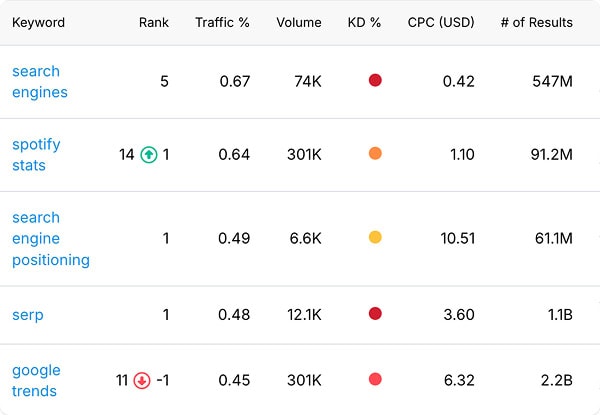
Regularly monitoring keyword rankings is a crucial aspect of maintaining an effective SEO strategy for your website. By keeping a close eye on how your chosen keywords perform in search engine results pages, you can identify trends, opportunities, and areas for improvement. Making timely adjustments to your SEO strategy based on this data ensures that your website remains competitive and visible to your target audience. Stay proactive in monitoring keyword rankings and be prepared to adapt your strategy to maximise the impact of your SEO efforts.
Consider long-tail keywords for more specific targeting and higher conversion rates.
When checking website SEO keywords, it is advisable to consider incorporating long-tail keywords into your strategy. Long-tail keywords are more specific phrases that target niche audiences, resulting in higher conversion rates. By focusing on long-tail keywords, you can attract visitors who are actively searching for precisely what your website offers, increasing the likelihood of turning them into valuable leads or customers. This targeted approach not only improves your search engine ranking but also enhances the overall effectiveness of your SEO efforts.