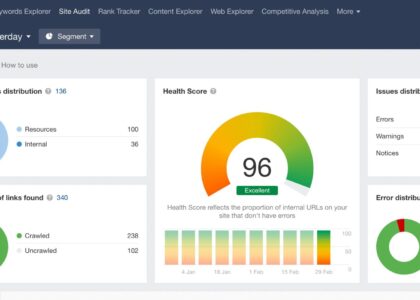


The Importance of Website Analysis Reports
In today’s digital age, having a strong online presence is crucial for businesses to succeed. A well-designed website is not enough; it must also be regularly monitored and analysed to ensure optimal performance. This is where website analysis reports come into play.
What is a Website Analysis Report?
A website analysis report is a comprehensive evaluation of a website’s performance, user engagement, and overall effectiveness. It involves examining various metrics such as traffic sources, page views, bounce rates, conversion rates, and more to identify strengths and weaknesses.
Benefits of Website Analysis Reports
Performance Tracking: By analysing key metrics, businesses can track the performance of their website over time and make data-driven decisions to improve its effectiveness.
User Behaviour Insights: Understanding how users interact with the website can help businesses tailor their content and design to enhance user experience and increase engagement.
SEO Optimization: Website analysis reports can reveal opportunities for search engine optimisation (SEO) improvements, such as identifying high-performing keywords or fixing technical issues that may affect search rankings.
How to Conduct a Website Analysis Report
Use Web Analytics Tools: Tools like Google Analytics provide valuable insights into website traffic, user behaviour, and conversion rates.
Set Clear Objectives: Define specific goals for the analysis report, such as increasing organic traffic or improving conversion rates, to focus your efforts effectively.
Analyse Key Metrics: Look at metrics like traffic sources, page views, bounce rates, time on site, and conversion rates to assess the overall performance of the website.
Conclusion
A website analysis report is an essential tool for businesses looking to enhance their online presence and drive success in the digital world. By regularly monitoring and analysing key metrics, businesses can identify areas for improvement and implement strategies to optimise their website’s performance effectively.
Five Key Benefits of Website Analysis Reports for Enhanced Online Performance
- 1. Helps track website performance over time
- 2. Provides insights into user behaviour and engagement
- 3. Identifies opportunities for SEO optimisation
- 4. Enables data-driven decision-making for website improvements
- 5. Helps set clear objectives and goals for website success
Challenges in Website Analysis: Addressing Time, Complexity, Costs, and More
1. Helps track website performance over time
Website analysis reports play a crucial role in helping businesses track their website performance over time. By monitoring key metrics such as traffic sources, page views, bounce rates, and conversion rates, businesses can gain valuable insights into how their website is performing and evolving. This continuous tracking allows businesses to identify trends, measure the impact of changes or updates, and make informed decisions to improve the overall effectiveness of their online presence.
2. Provides insights into user behaviour and engagement
Website analysis reports offer valuable insights into user behaviour and engagement, allowing businesses to understand how visitors interact with their website. By analysing metrics such as page views, bounce rates, session duration, and click-through rates, businesses can gain a deeper understanding of what resonates with their audience and identify areas for improvement. This information enables businesses to tailor their content, design, and user experience to enhance engagement, increase conversions, and ultimately drive success in the competitive online landscape.
3. Identifies opportunities for SEO optimisation
Identifying opportunities for SEO optimisation is a key benefit of conducting a website analysis report. By analysing metrics related to search engine performance, such as keyword rankings, organic traffic sources, and on-page SEO factors, businesses can pinpoint areas that need improvement to enhance their visibility in search results. This proactive approach allows businesses to implement targeted strategies to boost their search engine rankings, attract more organic traffic, and ultimately improve their online presence and reach.
4. Enables data-driven decision-making for website improvements
Website analysis reports play a crucial role in enabling data-driven decision-making for website improvements. By analysing key metrics such as traffic sources, user engagement, and conversion rates, businesses can gain valuable insights into the performance of their website. This data empowers decision-makers to identify areas that require attention and implement targeted strategies to enhance the overall effectiveness of the website. With a focus on data-driven decision-making, businesses can make informed choices that lead to tangible improvements in user experience, search engine visibility, and ultimately, business success online.
5. Helps set clear objectives and goals for website success
Website analysis reports play a crucial role in helping businesses set clear objectives and goals for website success. By analysing key metrics and performance data, businesses can gain valuable insights into their website’s strengths and weaknesses. This information enables them to define specific goals, such as increasing organic traffic, improving user engagement, or enhancing conversion rates. With a clear understanding of their website’s performance, businesses can develop targeted strategies to achieve their objectives and drive success in the competitive online landscape.
Time-Consuming
Conducting a thorough website analysis report can be time-consuming, demanding a significant amount of dedicated effort and resources. From collecting and analysing data to interpreting insights and implementing necessary changes, the process can be labour-intensive and may require a substantial investment of time from individuals or teams involved in the analysis. This time commitment can pose a challenge for businesses that have limited resources or tight deadlines, potentially delaying the implementation of crucial improvements to enhance their online presence effectively.
Complexity
One significant drawback of website analysis reports is the complexity involved in interpreting and analysing the data, which can pose a challenge for individuals lacking expertise in web analytics. Understanding the various metrics, trends, and insights presented in these reports requires a certain level of technical knowledge and experience in data analysis. Without the necessary skills, users may struggle to derive meaningful conclusions or take actionable steps based on the information provided, limiting the effectiveness of the website analysis process.
Costly Tools
One significant drawback of website analysis reports is the cost associated with using advanced web analytics tools for in-depth reporting. Implementing these tools to gather comprehensive data and insights can result in additional expenses for businesses. The financial investment required to access and utilise such sophisticated analytics platforms may pose a challenge, especially for smaller companies or those operating on a tight budget. This cost factor can limit the accessibility of detailed website analysis reports, hindering some businesses from fully harnessing the benefits of thorough data-driven decision-making.
Data Overload
The con of data overload in website analysis reports highlights a significant challenge faced by businesses. The sheer volume of data collected can overwhelm users, making it challenging to extract meaningful insights. When inundated with excessive information, it becomes harder to identify key trends and actionable recommendations that can drive effective decision-making. This data overload can hinder the ability to focus on critical metrics and may result in missed opportunities for website optimization and performance enhancement.
Inaccuracies
One significant drawback of website analysis reports is the potential for inaccuracies in data collection or interpretation errors. When the data gathered is not precise or when there are mistakes in analysing the information, it can lead to misleading conclusions. These inaccuracies may result in ineffective decision-making processes, as businesses may base their strategies on flawed insights derived from faulty data. It is crucial for organisations to ensure the accuracy and reliability of the data used in website analysis reports to avoid making decisions that could negatively impact their online performance and overall business success.
Privacy Concerns
Collecting user data for website analysis reports raises privacy concerns and may conflict with data protection regulations. In an era where data privacy is a growing concern, businesses must navigate the delicate balance between gathering valuable insights for website improvement and respecting users’ rights to privacy. The collection and analysis of user data must be conducted transparently, with clear consent mechanisms in place to ensure compliance with data protection laws. Failure to address these privacy concerns can not only damage a company’s reputation but also lead to legal repercussions, highlighting the importance of handling user data ethically and responsibly in the context of website analysis reports.
Limited Scope
Limited Scope: One significant drawback of website analysis reports is their potential to offer a limited scope of a website’s performance. Due to the complexity and diversity of online platforms, these reports may overlook crucial aspects, resulting in incomplete assessments. Metrics such as user experience, brand perception, and qualitative feedback are often challenging to quantify accurately, leaving gaps in the overall evaluation. As a result, businesses may not have a comprehensive understanding of their website’s effectiveness, hindering their ability to make informed decisions for improvement.