
Understanding Intelligence
Intelligence is the ability to learn, reason, solve problems and adapt to new situations. It helps people make sense of information, draw on past experience and decide how to respond to challenges. Although the word is often associated with academic achievement or test scores, intelligence is broader and more varied than any single measure can capture.
What Does Intelligence Mean?
There is no single definition of intelligence accepted by everyone. Some approaches focus on reasoning and problem-solving, while others include creativity, practical judgement, communication and the ability to learn from experience. These abilities can work together, but a person may be particularly strong in some areas and less confident in others.
Intelligence is also shaped by context. A skill that is valuable in one situation may be less relevant in another. Solving an abstract puzzle, navigating a social situation and repairing a broken appliance all call for different kinds of knowledge and judgement.
Different Ways of Thinking
Psychologists have developed a range of theories to explain how intelligence works. Some describe it as a general capacity that influences performance across many kinds of tasks. Others emphasise distinct abilities, such as verbal reasoning, memory, spatial thinking or processing information quickly.
These perspectives are not always in conflict. People can have broad intellectual strengths while also showing particular talents in specific areas. For example, someone might find it easy to understand language but need more time with numerical problems. Recognising this variety can help educators and employers avoid relying on narrow assumptions about ability.
Can Intelligence Be Measured?
Intelligence tests can assess certain abilities, including reasoning, memory and the use of language. They may be useful in particular settings, such as identifying learning needs or studying patterns across groups. However, a test captures performance on selected tasks at a particular time; it cannot describe everything a person knows, can do or may achieve.
Results can also be affected by factors such as education, familiarity with the test, health, stress and the language in which questions are presented. Test scores should therefore be interpreted carefully and in context, rather than treated as a complete or permanent verdict on someone’s potential.
Nature, Experience and Opportunity
Intelligence develops through a complex interaction between inherited characteristics and life experience. Learning opportunities, relationships, health, culture and access to resources can all influence how abilities are expressed and developed. The balance of these influences differs from person to person, and there is no simple formula that explains individual achievement.
Skills can grow with practice, teaching and experience. This does not mean that everyone will develop in exactly the same way or at the same pace. It does mean that ability should not be seen as fixed: the right support can help people build knowledge, confidence and strategies for tackling unfamiliar challenges.
Intelligence and Emotional Understanding
Everyday conversations often use the term “emotional intelligence” to describe recognising emotions, managing reactions and responding thoughtfully to other people. These abilities are important in relationships and workplaces, although researchers do not all define or measure emotional intelligence in the same way.
Being intellectually capable does not automatically make someone skilled at communication or self-awareness. Listening, patience and empathy require their own forms of attention and practice. In many situations, good judgement depends on combining clear reasoning with an understanding of people and circumstances.
Human and Artificial Intelligence
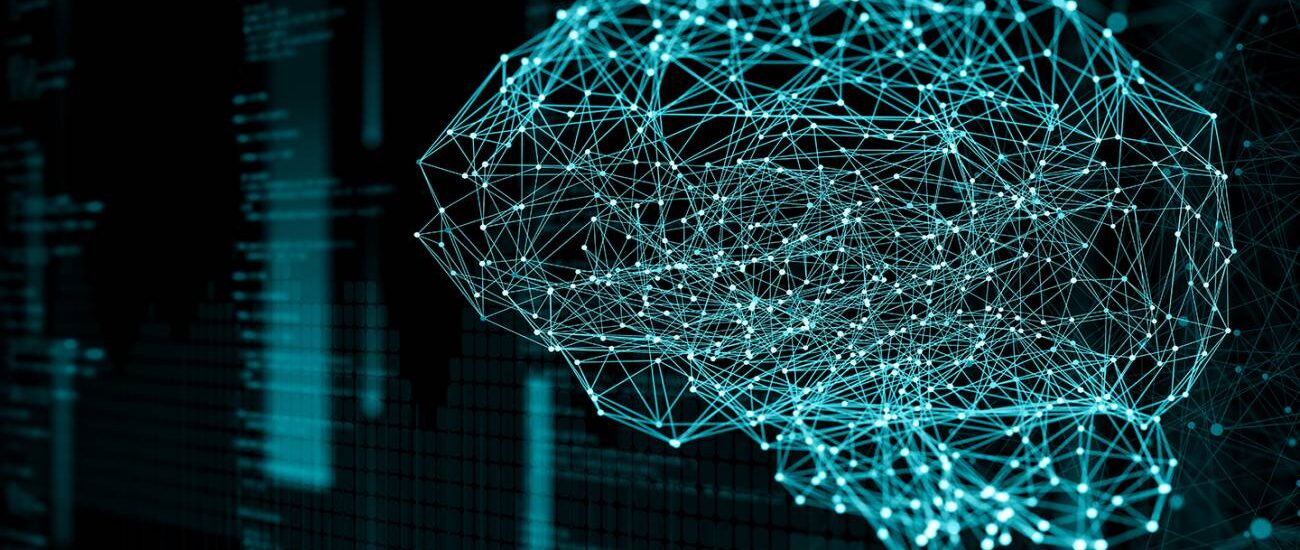
Artificial intelligence refers to computer systems designed to perform tasks that may involve learning, pattern recognition, language or decision-making. These systems can be highly effective at specific tasks, but their capabilities are different from human understanding. A system may produce a fluent answer without having personal experience, feelings or an independent awareness of what its words mean.
Comparisons between human and artificial intelligence are most useful when they focus on particular abilities and limitations. Computers can process large quantities of information quickly, while people bring lived experience, social understanding and flexible judgement to many situations. How these technologies are designed and used matters as much as what they can do.
A Broader View
Intelligence is not a single quality that determines a person’s worth or future. It includes many abilities, develops in different ways and is influenced by both individual characteristics and circumstances. A broader understanding makes room for varied strengths, encourages lifelong learning and helps ensure that people are not judged by one score or a narrow idea of success.
Exploring Human Intelligence: Definitions, Types, and Examples
- What is intelligence in a person?
- What are the 4 types of intelligence?
- What is the true meaning of intelligence?
- What is intelligence and examples?
- What is the full meaning of intelligence?
- What are four types of intelligence?
What is intelligence in a person?
Intelligence in a person is the ability to learn from experience, understand information, solve problems and adapt to new situations. It can include different strengths, such as reasoning, creativity, memory, communication and practical judgement, so it cannot be fully described by a single test score. People develop and express these abilities in different ways, and their opportunities, experiences and circumstances can also shape how they learn and perform.
What are the 4 types of intelligence?
There is no universally agreed set of four types of intelligence, but a popular framework describes intellectual intelligence (IQ), emotional intelligence (EQ), social intelligence (SQ) and adversity or adaptive intelligence (AQ). These refer respectively to reasoning and learning, understanding and managing emotions, relating effectively to others, and responding to challenges. The framework can be a helpful way to discuss different strengths, though it is not a single, standardised scientific classification.
What is the true meaning of intelligence?
The true meaning of intelligence is the ability to learn, understand and use information to respond to challenges and adapt to new situations. It can involve reasoning, creativity, practical judgement, emotional awareness and learning from experience—not simply academic achievement or a test score. Intelligence takes many forms, and no single definition or measure captures the full range of a person’s abilities.
What is intelligence and examples?
Intelligence is the ability to learn, understand information, solve problems and adapt to new situations. It can take many forms: for example, working out a maths problem, learning a new language, finding a practical way to fix something, recognising how someone else is feeling or adjusting a plan when circumstances change. These examples show that intelligence is broader than academic ability or test scores.
What is the full meaning of intelligence?
Intelligence is the ability to learn, understand and apply knowledge; reason, solve problems and adapt to new situations. It can include skills such as memory, creativity, communication and practical judgement, so it is broader than academic ability or a test score. There is no single definition that captures every aspect of intelligence, and people may show different strengths in different contexts.
What are four types of intelligence?
There is no universally agreed list of four types of intelligence, but a useful way to think about it is to consider analytical intelligence (reasoning and solving problems), creative intelligence (generating original ideas), practical intelligence (applying knowledge to everyday situations) and emotional intelligence (recognising and managing emotions and understanding others). These abilities can overlap, and people may show different strengths in each.