
The Power of Customised Software Solutions
In today’s fast-paced and competitive business environment, off-the-shelf software solutions may not always meet the unique needs of every organisation. This is where customised software solutions come into play, offering tailored applications designed to address specific challenges and maximise efficiency.
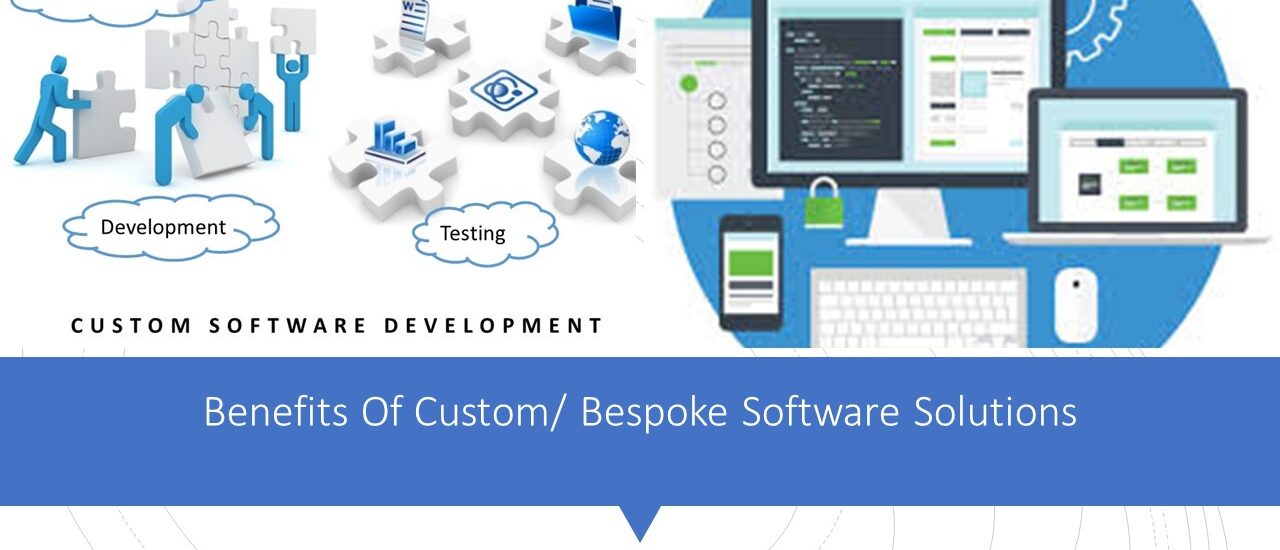
Customised software solutions are built from the ground up to align with the workflow, processes, and goals of a particular business. By working closely with experienced developers, companies can create bespoke applications that streamline operations, enhance productivity, and drive growth.
Benefits of Customised Software Solutions:
- Scalability: Custom software can grow and evolve with your business, adapting to changing requirements without the limitations of pre-packaged solutions.
- Enhanced Efficiency: Tailored applications are designed to fit seamlessly into existing workflows, eliminating unnecessary steps and automating repetitive tasks.
- Competitive Advantage: By having unique software that caters specifically to your needs, you can gain a competitive edge in your industry by offering more efficient services or products.
- Data Security: Customised solutions provide greater control over data security measures, ensuring that sensitive information is protected according to your specific requirements.
- Cost-Effectiveness: While initial development costs may be higher than off-the-shelf software, custom solutions often result in long-term cost savings by improving efficiency and reducing manual errors.
Why Choose Customised Software Solutions?
Off-the-shelf software may offer generic features that cater to a broad audience, but customised software provides a tailored approach that addresses the unique challenges and opportunities of your business. Whether you require a customer relationship management (CRM) system, inventory management tool, or data analytics platform, custom software can deliver precisely what you need.
By investing in customised software solutions, businesses can unlock their full potential and achieve greater success in today’s digital landscape. With the flexibility to adapt to changing requirements and the ability to leverage advanced technologies such as artificial intelligence and machine learning, custom software empowers organisations to thrive in an ever-evolving market.
If you’re looking to revolutionise your business operations and drive innovation through technology, consider the immense benefits that customised software solutions can offer. Embrace the power of tailored applications and discover a new realm of possibilities for your organisation’s growth and success.
Frequently Asked Questions About Customised Software Solutions
- What are custom software solutions?
- What are the advantages of customized software?
- What is the difference between standard software and Customised software?
- What are examples of software solutions?
- What is an example of customized software?
What are custom software solutions?
Custom software solutions refer to bespoke applications that are specifically designed and developed to meet the unique requirements of a particular business or organisation. Unlike off-the-shelf software, custom solutions are tailor-made to align with the specific workflows, processes, and goals of the client. By collaborating with experienced developers, businesses can create custom software that addresses their individual challenges, enhances operational efficiency, and provides a competitive advantage in their industry. Custom software solutions offer scalability, enhanced security, increased efficiency, and cost-effectiveness, making them a valuable investment for organisations looking to streamline operations and drive growth.
What are the advantages of customized software?
Customised software solutions offer a myriad of advantages tailored to meet the specific needs of businesses. By opting for custom software, organisations can enjoy enhanced scalability, efficiency, and competitive advantage. These bespoke applications can seamlessly integrate with existing workflows, automating tasks and streamlining operations to boost productivity. Moreover, custom software provides a heightened level of data security, ensuring that sensitive information is safeguarded according to individual requirements. While the initial development costs may be higher than off-the-shelf solutions, the long-term benefits of improved efficiency and cost-effectiveness make custom software a strategic investment for businesses aiming to achieve sustainable growth and success.
What is the difference between standard software and Customised software?
Standard software and customised software differ in their approach to meeting the needs of businesses. Standard software, also known as off-the-shelf software, is pre-built with a generic set of features and functionalities that cater to a wide range of users. While standard software solutions are readily available and cost-effective, they may not fully align with the specific requirements and processes of individual organisations. On the other hand, customised software is tailor-made to address the unique challenges and goals of a particular business. By collaborating with experienced developers, companies can create bespoke applications that streamline operations, enhance efficiency, and provide a competitive edge in their industry. Customised software offers scalability, flexibility, and enhanced control over functionality and design, making it a powerful tool for businesses seeking to maximise productivity and drive growth.
What are examples of software solutions?
When considering examples of software solutions, it’s important to recognise the diverse range of applications that cater to various industries and purposes. Some common examples include customer relationship management (CRM) software for managing client interactions, enterprise resource planning (ERP) systems for streamlining business processes, project management tools for organising tasks and deadlines, and e-commerce platforms for online retail operations. Additionally, specialised software solutions such as healthcare management systems, inventory tracking applications, and data analytics software demonstrate the adaptability of customised solutions to meet specific needs across different sectors. These examples showcase the versatility and effectiveness of software solutions in enhancing efficiency and driving success in today’s digital landscape.
What is an example of customized software?
An example of customised software is a bespoke customer relationship management (CRM) system developed specifically for a company to manage its unique customer interactions and sales processes. Unlike off-the-shelf CRM solutions that offer standard features, a customised CRM system can be tailored to integrate with existing databases, automate specific tasks, and provide detailed analytics that align with the company’s specific requirements. By customising the software to suit the organisation’s workflow and objectives, businesses can enhance efficiency, improve customer relationships, and gain a competitive advantage in their industry.