
The Importance of SEO Analysis Report
Search Engine Optimization (SEO) is crucial for any website looking to improve its online visibility and attract more organic traffic. An SEO analysis report plays a vital role in understanding the current state of a website’s SEO performance and identifying areas for improvement.
Key Components of an SEO Analysis Report:
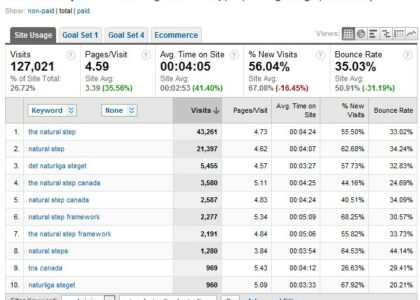
- Keyword Analysis: Identifying relevant keywords that are driving traffic to the website and suggesting new keyword opportunities.
- On-Page SEO Audit: Evaluating the on-page elements such as meta tags, headings, and content quality to ensure they are optimized for search engines.
- Backlink Profile Review: Assessing the quality and quantity of backlinks pointing to the website to determine its authority and credibility.
- Technical SEO Assessment: Checking technical aspects like site speed, mobile-friendliness, and crawlability to improve overall site performance.
- Competitor Analysis: Comparing the website’s SEO performance with competitors to identify strengths, weaknesses, and opportunities for growth.
The Benefits of an SEO Analysis Report:
An SEO analysis report provides valuable insights that can help website owners make informed decisions to enhance their online presence. By implementing recommendations from the report, businesses can:
- Increase organic traffic by improving search engine rankings
- Enhance user experience by optimizing website content and structure
- Build credibility and authority in their industry through effective link building strategies
- Gain a competitive edge by staying ahead of changing search engine algorithms
In conclusion, conducting regular SEO analysis reports is essential for maintaining a strong online presence and achieving long-term success in the digital landscape. By understanding where improvements are needed and taking proactive steps to address them, businesses can reach their target audience effectively and drive sustainable growth.
Comprehensive Guide: Addressing 14 Common Questions on SEO Analysis Reports
- What should an SEO report contain?
- How do you Analyse SEO data?
- What does a SEO report look like?
- What are the contents of an SEO report?
- What does an SEO report include?
- What is the SEO report summary?
- How do I get a SEO audit report?
- How do you write a SEO report?
- What does an SEO analysis include?
- How do you write a SEO analysis report?
- How do I analyze my SEO?
- What should an SEO report include?
- How to make a SEO analysis report?
- How do you present SEO analysis?
What should an SEO report contain?
An SEO report should contain comprehensive insights into various aspects of a website’s search engine optimisation performance. Key components that should be included in an SEO report are keyword analysis to identify relevant search terms, on-page SEO audit to evaluate content and meta tags, backlink profile review to assess link quality, technical SEO assessment for site performance, and competitor analysis to benchmark against industry rivals. Additionally, recommendations for improvement based on the findings of the report should be provided to guide website owners in enhancing their SEO strategies and boosting their online visibility.
How do you Analyse SEO data?
Analyzing SEO data involves a systematic approach to evaluating various key performance indicators that impact a website’s search engine visibility and ranking. To begin the analysis process, it is essential to gather data from tools like Google Analytics, Google Search Console, and third-party SEO platforms. This data can include metrics such as organic traffic, keyword rankings, backlink profiles, on-page SEO elements, and user engagement. By interpreting this data comprehensively and identifying patterns and trends, SEO professionals can gain valuable insights into the effectiveness of current strategies and pinpoint areas for improvement to enhance overall website performance in search engine results pages.
What does a SEO report look like?
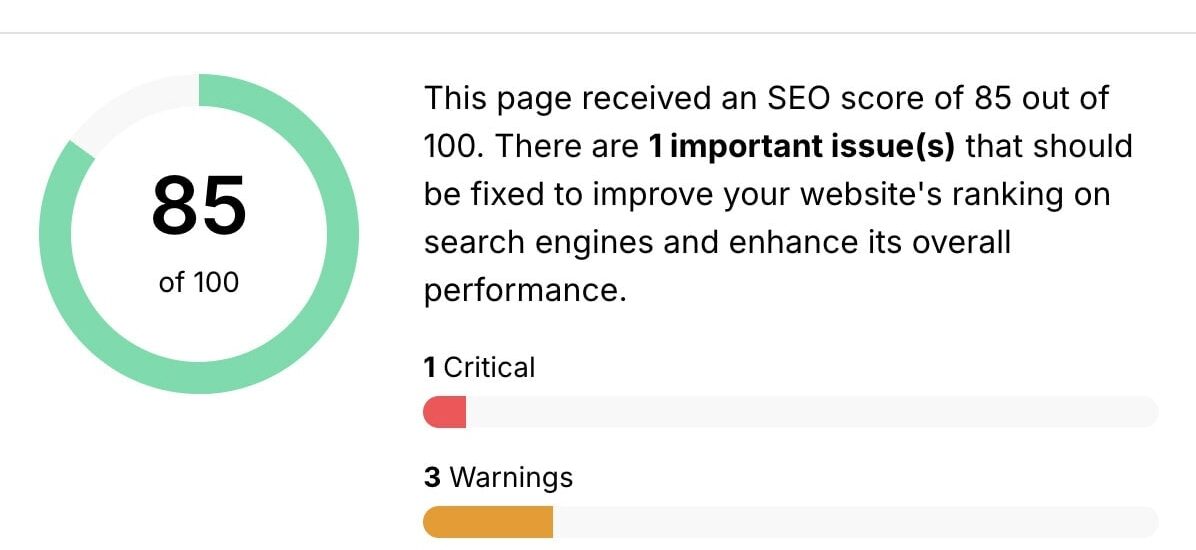
A typical SEO report provides a comprehensive overview of a website’s search engine optimisation performance and includes various key metrics and insights. It usually consists of sections such as keyword analysis, on-page SEO audit results, backlink profile review, technical SEO assessment, and competitor analysis. The report may include visual representations like charts and graphs to illustrate data trends effectively. Additionally, recommendations for improvement are often included to help website owners understand areas that need attention and guidance on how to enhance their SEO strategies. Overall, a well-structured SEO report offers valuable information that can guide businesses in making informed decisions to boost their online visibility and drive organic traffic growth.
What are the contents of an SEO report?
An SEO report typically includes a comprehensive analysis of various key components that impact a website’s search engine performance. These contents may consist of a detailed keyword analysis to identify relevant search terms, an evaluation of on-page SEO elements such as meta tags and content quality, a review of the backlink profile to assess authority, a technical SEO assessment focusing on site speed and mobile-friendliness, and a comparison with competitors through competitor analysis. By compiling these insights into an SEO report, website owners can gain valuable information to make informed decisions and implement strategies to improve their online visibility and search engine rankings effectively.
What does an SEO report include?
An SEO report typically includes a comprehensive analysis of various aspects related to a website’s search engine optimization performance. This report often covers key elements such as keyword analysis to identify relevant search terms, an assessment of on-page SEO factors like meta tags and content quality, a review of the backlink profile to evaluate authority and credibility, a technical SEO audit focusing on site speed and mobile-friendliness, and a comparison with competitors to identify strengths and weaknesses. By providing insights into these areas, an SEO report helps website owners understand their current SEO standing and provides actionable recommendations for improving their online visibility and organic traffic.
What is the SEO report summary?
The SEO report summary provides a concise overview of the key findings and recommendations derived from a comprehensive SEO analysis report. It summarises the current state of the website’s SEO performance, highlighting areas of strength and weakness. The summary typically includes essential metrics such as keyword rankings, on-page optimization status, backlink profile evaluation, and technical SEO insights. By presenting this information in a clear and digestible format, the SEO report summary helps website owners and digital marketers quickly grasp the main takeaways and prioritize action steps to improve their site’s search engine visibility and performance.
How do I get a SEO audit report?
To obtain an SEO audit report for your website, you can follow a few simple steps. Firstly, consider hiring an experienced SEO professional or agency to conduct a comprehensive analysis of your site’s performance. Alternatively, there are various online tools and software available that can generate automated SEO audit reports. These tools typically require you to input your website URL and may provide insights into key SEO factors such as on-page optimization, backlink profile, technical issues, and keyword analysis. By investing in an SEO audit report, you can gain valuable information about your website’s current SEO status and receive actionable recommendations to improve its visibility and performance in search engine results pages.
How do you write a SEO report?
When it comes to writing an SEO report, it is essential to follow a structured approach that includes analysing key metrics and providing actionable insights. Start by outlining the objectives of the report and defining the scope of analysis. Conduct a thorough review of website performance, including keyword rankings, traffic sources, backlink profile, and on-page SEO elements. Present the findings in a clear and concise manner, highlighting areas of strength and opportunities for improvement. Include recommendations based on the analysis to help clients understand how they can enhance their SEO strategy effectively. By following a systematic process and focusing on delivering valuable insights, you can create a comprehensive SEO report that guides decision-making and drives positive outcomes for your clients’ online presence.
What does an SEO analysis include?
An SEO analysis typically includes a comprehensive evaluation of various aspects that impact a website’s search engine performance. This analysis encompasses key components such as keyword research to identify relevant terms, an on-page SEO audit to assess content quality and meta tags, a backlink profile review to evaluate link authority, and a technical SEO assessment to ensure site health and performance. Additionally, an SEO analysis may involve competitor analysis to benchmark against industry rivals and identify opportunities for improvement. By examining these critical elements, an SEO analysis provides valuable insights to help businesses enhance their online visibility, attract organic traffic, and improve overall search engine rankings.
How do you write a SEO analysis report?
When it comes to writing an SEO analysis report, it is essential to follow a structured approach that covers key aspects of a website’s performance in search engine rankings. Begin by conducting a comprehensive audit of the website’s current SEO status, including keyword analysis, on-page optimization, backlink profile review, technical SEO assessment, and competitor analysis. Document your findings clearly and provide actionable recommendations for improvement in each area. Present the data in a visually appealing format with charts and graphs to make it easier for stakeholders to understand. Finally, ensure that your SEO analysis report is concise, insightful, and tailored to the specific needs and goals of the website owner or client.
How do I analyze my SEO?
To analyse your SEO effectively, start by conducting a comprehensive SEO audit of your website. This involves evaluating key aspects such as keyword performance, on-page optimisation, backlink profile, and technical SEO factors. Utilise tools like Google Analytics and Google Search Console to gather data on your website’s performance and identify areas for improvement. Analyse your competitors’ strategies to gain insights and stay competitive in search engine rankings. Regularly monitor and track your SEO efforts, making adjustments based on data-driven insights to enhance your website’s visibility and organic traffic over time.
What should an SEO report include?
When considering what an SEO report should include, it is essential to cover key aspects that provide a comprehensive overview of a website’s search engine optimisation performance. An effective SEO report should encompass elements such as keyword analysis, on-page SEO audit, backlink profile review, technical SEO assessment, and competitor analysis. These components help in identifying strengths and weaknesses in the website’s SEO strategy, offering valuable insights for improvement. By including these essential elements in an SEO report, businesses can gain a clear understanding of their online visibility, organic traffic performance, and areas for enhancement to achieve better search engine rankings and overall digital success.
How to make a SEO analysis report?
Creating an SEO analysis report involves several key steps to ensure a comprehensive evaluation of a website’s search engine optimization performance. To make a successful SEO analysis report, start by conducting thorough keyword research to identify relevant terms that drive organic traffic. Next, perform an on-page SEO audit to assess meta tags, headings, and content quality. Evaluate the website’s backlink profile to determine its authority and credibility. Additionally, conduct a technical SEO assessment to address issues like site speed and mobile-friendliness. Finally, compare the website’s performance with competitors through a competitor analysis to identify areas for improvement and growth opportunities. By following these steps and utilising various tools and techniques, you can create a detailed SEO analysis report that guides strategic decisions for enhancing online visibility and attracting more organic traffic.
How do you present SEO analysis?
When presenting an SEO analysis report, it is important to communicate the findings clearly and concisely to stakeholders. Start by providing an overview of the key metrics and insights discovered during the analysis, highlighting any significant trends or patterns. Use visual aids such as charts, graphs, and tables to illustrate data effectively and make complex information more digestible. Explain the implications of the findings in a straightforward manner, focusing on actionable recommendations for improving SEO performance. Tailor the presentation to the audience’s level of understanding, avoiding technical jargon where possible to ensure that everyone can grasp the importance of the analysis results and proposed strategies. By presenting the SEO analysis report in a structured and engaging way, you can effectively convey its value and drive informed decision-making for enhancing online visibility and achieving digital marketing goals.