

The Importance of SEO Site Keyword Analysis
Search Engine Optimization (SEO) is crucial for any website looking to improve its visibility and ranking on search engine results pages. One fundamental aspect of SEO is keyword analysis, which involves researching and selecting the right keywords to target in order to attract relevant traffic to your site.
Why is Keyword Analysis Important?
Keyword analysis helps you understand what terms and phrases your target audience is searching for online. By identifying these keywords, you can optimise your website’s content to align with user intent, making it more likely to appear in search results when users enter those specific queries.
How to Conduct Keyword Analysis
There are several tools available that can help you conduct keyword analysis effectively. Tools like Google Keyword Planner, SEMrush, and Ahrefs provide valuable insights into search volume, competition level, and related keywords that can inform your SEO strategy.
Benefits of Effective Keyword Analysis
- Improved Visibility: Targeting the right keywords can help your website rank higher in search engine results, increasing visibility among potential visitors.
- Higher Quality Traffic: By attracting visitors who are actively searching for what you offer, you are more likely to receive high-quality traffic that converts into leads or customers.
- Better ROI: Investing time in keyword analysis can lead to a higher return on investment (ROI) as your website becomes more targeted and relevant to user queries.
- Competitive Advantage: Understanding which keywords your competitors are targeting can give you a competitive edge by identifying gaps or opportunities in the market.
In Conclusion
SEO site keyword analysis is a fundamental part of any successful SEO strategy. By conducting thorough research and selecting the right keywords for your website, you can improve visibility, attract quality traffic, and ultimately achieve better results online. Invest time and effort into keyword analysis to enhance your website’s performance in search engine rankings.
7 Essential Tips for Effective SEO Keyword Analysis
- Understand your target audience to choose relevant keywords
- Use keyword research tools to identify high-volume keywords
- Analyse your competitors’ keywords for insights
- Focus on long-tail keywords for specific targeting
- Ensure keyword relevance to your content and user intent
- Monitor keyword performance and make adjustments regularly
- Avoid keyword stuffing and maintain a natural flow in content
Understand your target audience to choose relevant keywords
Understanding your target audience is crucial when selecting keywords for SEO site keyword analysis. By gaining insights into the preferences, behaviours, and search habits of your audience, you can choose keywords that are not only relevant to their needs but also likely to drive quality traffic to your website. Tailoring your keyword selection to match the language and intent of your target audience ensures that your content resonates with them, leading to higher engagement and better search engine rankings. Take the time to research and analyse your audience demographics and preferences to make informed decisions about the keywords that will best attract and retain visitors on your site.
Use keyword research tools to identify high-volume keywords
To enhance your SEO site keyword analysis, it is recommended to utilise keyword research tools to identify high-volume keywords. These tools provide valuable insights into the search volume of specific keywords, helping you understand which terms are frequently searched by users. By targeting high-volume keywords that align with your content and business objectives, you can increase your website’s visibility and attract more relevant traffic. Incorporating these identified keywords strategically into your content can significantly improve your search engine rankings and overall online presence.
Analyse your competitors’ keywords for insights
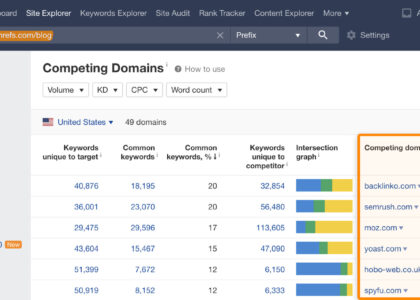
Analysing your competitors’ keywords can provide valuable insights into their SEO strategy and help you identify opportunities to improve your own website’s keyword targeting. By understanding which keywords your competitors are ranking for, you can uncover gaps in the market or discover high-performing keywords that you may have overlooked. This competitive analysis allows you to refine your own keyword selection, enhance your SEO efforts, and potentially gain a competitive advantage in search engine rankings.
Focus on long-tail keywords for specific targeting
When conducting SEO site keyword analysis, it is advisable to focus on long-tail keywords for specific targeting. Long-tail keywords are longer and more specific phrases that users are likely to search for when they have a clear intent. By incorporating long-tail keywords into your website’s content, you can attract highly targeted traffic and improve the chances of reaching users who are actively seeking what you offer. This targeted approach not only enhances the relevance of your content but also increases the likelihood of ranking higher in search engine results pages for niche queries.
Ensure keyword relevance to your content and user intent
Ensuring keyword relevance to your content and user intent is a crucial tip in SEO site keyword analysis. By aligning your chosen keywords with the content on your website and understanding the intent behind user searches, you can create a more seamless and valuable experience for visitors. Relevant keywords not only help search engines understand what your site is about but also attract users who are genuinely interested in your offerings. This alignment increases the likelihood of your website ranking higher in search results and driving quality traffic that is more likely to convert into leads or customers.
Monitor keyword performance and make adjustments regularly
Monitoring keyword performance and making regular adjustments is a crucial aspect of effective SEO site keyword analysis. By keeping a close eye on how your selected keywords are performing in search engine results, you can identify trends, opportunities, and areas for improvement. Regularly reviewing and updating your keyword strategy allows you to stay ahead of changes in search algorithms, user behaviour, and market dynamics, ensuring that your website remains competitive and visible to your target audience. Consistent monitoring and adjustment of keywords help to maximise your SEO efforts and drive better results over time.
Avoid keyword stuffing and maintain a natural flow in content
To enhance the effectiveness of your SEO site keyword analysis, it is crucial to avoid keyword stuffing and instead focus on maintaining a natural flow in your content. Keyword stuffing, the practice of excessively using keywords in an unnatural manner, can harm your website’s ranking and readability. By incorporating keywords seamlessly into your content while ensuring a natural and engaging narrative, you not only improve user experience but also increase the likelihood of search engines recognising and rewarding your site with higher rankings. Striking a balance between optimisation and readability is key to achieving long-term success in SEO.