

Google SEO Audit: A Comprehensive Guide
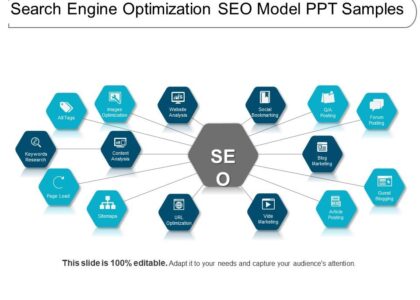
Search Engine Optimization (SEO) is crucial for improving your website’s visibility and ranking on Google. Conducting a thorough SEO audit is essential to identify areas for improvement and ensure that your site is optimised for search engines. In this guide, we will walk you through the steps involved in a Google SEO audit.
Step 1: Website Performance Analysis
Start by analysing your website’s performance metrics, such as page load speed, mobile-friendliness, and overall user experience. Use tools like Google PageSpeed Insights and Google Mobile-Friendly Test to evaluate these factors.
Step 2: On-Page SEO Evaluation
Review your website’s on-page elements, including meta tags, headings, image alt text, and keyword usage. Ensure that each page has unique and relevant content optimised for specific keywords.
Step 3: Technical SEO Assessment
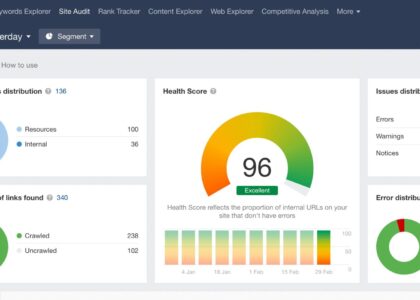
Check for technical issues that may impact your site’s performance, such as broken links, crawl errors, duplicate content, and XML sitemap accuracy. Use tools like Google Search Console to identify and fix these issues.
Step 4: Backlink Analysis
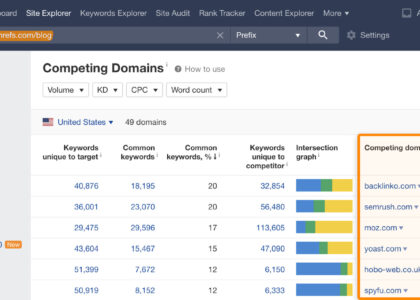
Evaluate your website’s backlink profile to assess the quality and relevance of inbound links. Disavow any toxic or spammy backlinks that may harm your site’s ranking. Tools like Ahrefs or Moz can help with backlink analysis.
Step 5: Content Review
Assess the quality and relevance of your website’s content. Make sure it is engaging, informative, and aligned with user intent. Update outdated content and create new content to target relevant keywords.
Step 6: Local SEO Check
If you have a local business, verify that your NAP (Name, Address, Phone Number) information is consistent across all online platforms. Optimise your Google My Business listing for local search visibility.
Step 7: Monitoring and Reporting
Regularly monitor your website’s performance using analytics tools like Google Analytics. Track key metrics such as organic traffic, keyword rankings, conversion rates, and engagement levels. Generate reports to measure the impact of your SEO efforts over time.
By following these steps in a Google SEO audit, you can identify areas of improvement and implement strategies to enhance your website’s visibility on search engine results pages. Remember that SEO is an ongoing process that requires continuous monitoring and adaptation to stay ahead in the digital landscape.
Top 8 Benefits of a Google SEO Audit for Enhanced Website Performance and Visibility
- Identifies areas for website performance improvement
- Enhances on-page SEO elements for better search visibility
- Addresses technical issues that may hinder site ranking
- Improves backlink quality and relevance for higher authority
- Optimises content to align with user intent and target keywords
- Boosts local SEO efforts for increased visibility in specific regions
- Monitors website performance metrics for ongoing optimisation
- Provides insights through analytics to measure SEO impact over time
Seven Challenges of Google SEO Audits: Navigating Complexity and Costs
- Time-Consuming
- Complexity
- Resource-Intensive
- Algorithm Updates
- Competitive Landscape
- Costly Tools
- False Positives/Negatives
Identifies areas for website performance improvement
An essential benefit of conducting a Google SEO audit is its ability to pinpoint areas for enhancing website performance. By analysing metrics such as page load speed, mobile-friendliness, and user experience, the audit can identify specific areas that require improvement to optimise the overall performance of the website. This insight allows website owners to address issues promptly and implement strategies to enhance their site’s performance, ultimately improving user satisfaction and search engine rankings.
Enhances on-page SEO elements for better search visibility
Conducting a Google SEO audit enhances on-page SEO elements, such as meta tags, headings, and keyword usage, leading to better search visibility for your website. By optimising these on-page factors based on audit findings, you can improve your site’s relevance to search queries and increase its chances of ranking higher in search engine results pages. This proactive approach to refining on-page SEO elements through an audit ensures that your website is well-optimised to attract organic traffic and reach a wider online audience effectively.
Addresses technical issues that may hinder site ranking
An important advantage of conducting a Google SEO audit is that it addresses technical issues that have the potential to hinder a website’s ranking on search engine results pages. By identifying and resolving issues such as broken links, crawl errors, duplicate content, and XML sitemap inaccuracies, businesses can ensure that their website is optimised for search engines, leading to improved visibility and higher rankings. This proactive approach to addressing technical issues not only enhances the user experience but also boosts the site’s overall SEO performance.
Improves backlink quality and relevance for higher authority
Conducting a Google SEO audit helps improve backlink quality and relevance, ultimately leading to higher authority for your website. By evaluating and refining your backlink profile, you can identify and disavow toxic or irrelevant links that may be negatively impacting your site’s credibility. By focusing on acquiring high-quality backlinks from authoritative sources, you can strengthen your website’s reputation in the eyes of search engines, resulting in improved rankings and increased visibility in search results.
Optimises content to align with user intent and target keywords
By conducting a Google SEO audit, businesses can optimise their content to better align with user intent and target specific keywords. This proactive approach ensures that the content on their website is not only relevant and engaging but also strategically crafted to attract the right audience. By understanding what users are searching for and tailoring content accordingly, businesses can improve their visibility on search engine results pages and ultimately drive more targeted traffic to their site.
Boosts local SEO efforts for increased visibility in specific regions
Conducting a Google SEO audit can significantly boost local SEO efforts by enhancing visibility in specific regions. By analysing and optimising key local SEO factors such as NAP consistency, Google My Business listing optimisation, and local keyword targeting, businesses can improve their online presence in targeted geographical areas. This proactive approach not only helps attract local customers but also increases the chances of appearing in relevant local search results, ultimately driving more traffic and potential leads to the business.
Monitors website performance metrics for ongoing optimisation
Monitoring website performance metrics through a Google SEO audit is a valuable pro that allows for ongoing optimisation. By regularly tracking key indicators such as page load speed, mobile-friendliness, user experience, and other relevant factors, businesses can identify areas that need improvement and make necessary adjustments to enhance their website’s overall performance. This continuous monitoring ensures that the site remains optimised for search engines and user satisfaction, leading to improved visibility, higher rankings, and better user engagement over time.
Provides insights through analytics to measure SEO impact over time
One significant advantage of conducting a Google SEO audit is that it provides valuable insights through analytics to measure the impact of SEO efforts over time. By tracking key metrics such as organic traffic, keyword rankings, conversion rates, and engagement levels, businesses can gain a clear understanding of how their website’s visibility and performance on search engines are evolving. This data-driven approach allows for informed decision-making and the ability to adjust strategies to improve SEO effectiveness and achieve long-term success in online search rankings.
Time-Consuming
Conducting a thorough Google SEO audit can be a time-consuming process, particularly for larger websites with extensive content and complex structures. The need to meticulously review on-page elements, technical aspects, backlink profiles, and content quality can require significant time and effort. Moreover, identifying and addressing issues uncovered during the audit may further prolong the optimisation process. Time constraints can pose a challenge for businesses aiming to improve their search engine visibility efficiently while balancing other operational priorities.
Complexity
The complexity of Google SEO audits poses a significant challenge, as the technical aspects involved often demand specialised knowledge and tools. Understanding and addressing issues such as crawl errors, structured data markup, or server configurations can be daunting for those without expertise in SEO. Without the necessary skills or resources, navigating the intricacies of a comprehensive audit may prove overwhelming and time-consuming for website owners or marketers.
Resource-Intensive
One significant drawback of conducting a Google SEO audit is its resource-intensive nature. Implementing the recommended changes identified during the audit process may necessitate additional resources, both in terms of time and expertise. Addressing technical issues, improving content quality, and enhancing website performance can be labour-intensive tasks that may require the involvement of skilled professionals or external support. This can pose a challenge for businesses with limited resources or tight budgets, making it crucial to carefully consider the potential costs and commitments involved in executing the audit recommendations.
Algorithm Updates
One significant drawback of conducting a Google SEO audit is the ever-changing nature of Google’s search algorithms. These algorithms are regularly updated and refined, posing a challenge for website owners and SEO professionals to stay abreast of the latest best practices. What may have been effective in the past could become obsolete or even penalised by a new algorithm update. This dynamic environment requires constant monitoring and adaptation to ensure that SEO strategies remain effective and compliant with Google’s evolving standards.
Competitive Landscape
In the competitive landscape of online businesses, conducting a Google SEO audit may uncover a significant con – the realisation that your competitors possess a stronger online presence. This discovery can highlight the need for strategic adjustments to your SEO approach in order to level the playing field and improve your visibility in search engine results. Understanding and adapting to the strategies employed by competitors is crucial for maintaining competitiveness and ensuring that your website remains relevant and discoverable to your target audience.
Costly Tools
Some advanced SEO audit tools come at a high cost, which may not be feasible for all businesses. Investing in these costly tools can be a significant financial burden, especially for small or budget-constrained companies. The expense of acquiring and maintaining such tools may deter businesses from conducting comprehensive SEO audits, limiting their ability to improve their online visibility and search engine rankings effectively. As a result, the cost factor poses a challenge for businesses seeking to leverage advanced SEO audit tools to enhance their digital presence.
False Positives/Negatives
One significant drawback of conducting a Google SEO audit is the potential for false positives or negatives in the audit results. These inaccuracies can arise due to various factors, such as limitations in the auditing tools or misinterpretation of data. False positives may incorrectly identify issues that do not actually exist, leading to unnecessary changes that could harm the website’s performance. Conversely, false negatives may overlook critical issues that require attention, resulting in missed opportunities for improvement. It is crucial for website owners and SEO professionals to exercise caution and critical thinking when interpreting audit results to avoid drawing incorrect conclusions based on misleading information.