
The Importance of Google SEO Test for Your Website
Search Engine Optimization (SEO) is crucial for any website looking to improve its visibility and ranking on search engine results pages. Google, being the most popular search engine, sets the standard for SEO practices. Conducting a Google SEO test is essential to ensure that your website meets Google’s ranking criteria and performs well in search results.
What is a Google SEO Test?
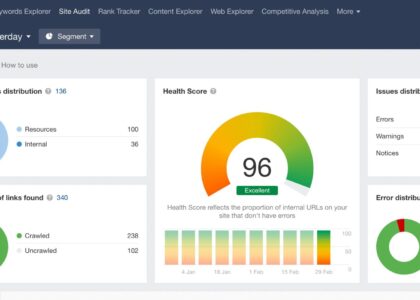
A Google SEO test involves evaluating various aspects of your website, such as content quality, keywords usage, site speed, mobile-friendliness, backlinks, and more. By conducting an SEO test specifically tailored to Google’s algorithms and guidelines, you can identify areas for improvement and make necessary adjustments to enhance your website’s performance in organic search results.
Benefits of Conducting a Google SEO Test
Improved Search Engine Ranking: By optimising your website based on the results of a Google SEO test, you can increase your chances of ranking higher in Google’s search results for relevant keywords.
Enhanced User Experience: A well-optimised website not only appeals to search engines but also provides a better user experience for visitors, leading to increased engagement and conversions.
Increased Organic Traffic: Higher rankings in search results can drive more organic traffic to your website, resulting in greater visibility and potential leads or sales.
How to Conduct a Google SEO Test
To perform a comprehensive Google SEO test for your website:
- Use tools like Google Search Console and Google Analytics to gather data on your site’s performance.
- Analyse keyword usage and relevance across your content.
- Check for broken links and ensure proper redirections are in place.
- Optimise meta tags, headings, and image alt text with relevant keywords.
- Ensure mobile responsiveness and fast loading times for all devices.
- Create high-quality content that adds value to users and encourages engagement.
Conclusion
Conducting a Google SEO test is essential for maintaining a strong online presence and attracting organic traffic to your website. By following best practices and continuously monitoring and improving your site’s performance based on the results of the test, you can achieve better visibility on Google and reach your target audience effectively.
Top 16 FAQs About Testing SEO on Google: Tools, Scores, and Performance
- How can I test my SEO?
- What is Google SEO testing tool?
- How is SEO score calculated?
- Is SEO free on Google?
- Is SEO site Checkup free?
- How do I test SEO on Google?
- What is Google SEO score?
- Is 80 a good SEO score?
- How do I test Google SEO?
- Is SEO on Google free?
- Is 80 SEO score good?
- Is 50 a good SEO score?
- Is 500 words enough for SEO?
- How do you test SEO performance?
- How can I check my SEO score for free?
- How do you test SEO?
How can I test my SEO?
To test your SEO effectively, there are several steps you can take to evaluate and improve your website’s performance in search engine results. Firstly, utilise tools like Google Search Console and Google Analytics to gather valuable data on your site’s traffic, keywords, and overall visibility. Conduct keyword research to ensure that your content is optimised for relevant search terms. Check for any technical issues that may impact your site’s SEO, such as broken links or slow loading times. Additionally, assess the quality of your content and ensure it provides value to users. Regularly monitor your website’s performance metrics and make adjustments based on the results to enhance your SEO strategy and improve your search engine ranking.
What is Google SEO testing tool?
A Google SEO testing tool is a resource that helps website owners and digital marketers evaluate and improve their website’s search engine optimisation (SEO) performance according to Google’s ranking criteria. These tools typically analyse various aspects of a website, such as content quality, keyword usage, site speed, mobile-friendliness, backlinks, and more. By using a Google SEO testing tool, users can identify areas for enhancement and make necessary adjustments to enhance their website’s visibility and ranking on Google search results pages. This tool is invaluable for ensuring that websites meet Google’s guidelines and algorithms, ultimately helping them attract more organic traffic and achieve better online visibility.
How is SEO score calculated?
When it comes to determining an SEO score, various factors are taken into account to evaluate a website’s search engine optimization performance. The SEO score is typically calculated based on a combination of on-page elements such as content relevance, keyword usage, meta tags, backlinks, site speed, mobile-friendliness, and user experience. Search engines like Google use complex algorithms to analyse these factors and assign a score that reflects how well a website is optimized for organic search results. By understanding and improving these key aspects of SEO, website owners can work towards achieving a higher SEO score and better visibility in search engine rankings.
Is SEO free on Google?
When it comes to SEO on Google, the practice itself is free. Optimising your website for search engines by following best practices, such as using relevant keywords, creating high-quality content, and improving user experience, does not incur any direct costs. However, achieving and maintaining a high ranking in Google search results may require investing time, effort, and possibly resources in content creation, technical optimisation, and monitoring performance. While the core principles of SEO are free, businesses often choose to allocate budgets for tools, expertise, or paid advertising to enhance their SEO efforts and stay competitive in the online landscape.
Is SEO site Checkup free?
When it comes to the frequently asked question, “Is SEO Site Checkup free?” many website owners are curious about the cost of using this tool to assess their site’s SEO performance. SEO Site Checkup does offer a free version that allows users to run basic SEO checks on their website. However, for more in-depth analysis and advanced features, a premium subscription may be required. It’s important for website owners to consider their specific needs and goals when deciding whether to opt for the free or paid version of SEO Site Checkup to effectively improve their site’s search engine optimisation.
How do I test SEO on Google?
To test SEO on Google, there are several steps you can take to evaluate and improve your website’s performance in search engine results. Firstly, use tools like Google Search Console to analyse your site’s visibility, indexing status, and keyword rankings. Conduct keyword research to identify relevant terms for your content and ensure they are strategically incorporated throughout your website. Check for any technical issues that may affect your site’s crawlability and indexing. Monitor your site’s traffic and user engagement metrics using Google Analytics to assess the effectiveness of your SEO efforts. Regularly review and update your content to keep it fresh, relevant, and optimised for search engines. By following these steps, you can effectively test and enhance your website’s SEO performance on Google.
What is Google SEO score?
The Google SEO score is a metric that evaluates the overall search engine optimisation performance of a website based on various factors that influence its visibility and ranking on Google’s search results pages. This score provides website owners with insights into how well their site is optimised for search engines, highlighting areas that may need improvement to enhance organic traffic and user engagement. By understanding and improving their Google SEO score, website owners can increase their chances of ranking higher in search results and reaching a wider audience online.
Is 80 a good SEO score?
When assessing the quality of SEO performance, the numerical score alone, such as 80, may not provide a definitive answer to whether it is considered good or not. SEO scores can vary depending on the tools and metrics used for evaluation. However, in general, a score of 80 out of 100 could be indicative of a solid SEO foundation. It suggests that certain aspects of SEO, such as content optimisation, backlinks, site speed, and mobile-friendliness, are likely performing well. Nevertheless, it is crucial to delve deeper into specific components of SEO to determine areas for improvement and ensure that the website is optimised effectively for better search engine visibility and user experience.
How do I test Google SEO?
To test Google SEO effectively, there are several key steps you can take. Firstly, utilise tools like Google Search Console and Google Analytics to gather data on your website’s performance and identify areas for improvement. Analyse your keyword usage and relevance across your content to ensure alignment with search intent. Check for broken links and ensure proper redirections are in place to maintain a seamless user experience. Optimise meta tags, headings, and image alt text with relevant keywords to enhance visibility in search results. Additionally, focus on mobile responsiveness and fast loading times to cater to a diverse range of users accessing your site. By following these steps and continuously monitoring and adjusting your SEO strategies, you can effectively test and enhance your website’s performance on Google’s search engine results pages.
Is SEO on Google free?
When it comes to SEO on Google, it is important to understand that the organic search results generated by SEO efforts are technically free. This means that you do not have to pay Google directly to have your website appear in the organic search results. However, it is worth noting that implementing effective SEO strategies requires time, effort, and sometimes financial investment in tools or services to optimise your website for search engines. While the organic visibility itself does not incur a direct cost from Google, achieving and maintaining a strong SEO performance often involves ongoing work and resources to stay competitive in search rankings.
Is 80 SEO score good?
When it comes to evaluating the quality of SEO performance, the question of whether an 80 SEO score is considered good often arises. While a score of 80 out of 100 may seem high and indicative of strong SEO practices, it is essential to understand that SEO scores can vary depending on the tool used for evaluation. In general, an 80 SEO score can be considered good, reflecting a well-optimised website with room for improvement. However, it is crucial to delve deeper into the specific factors contributing to the score, such as content quality, backlinks, site speed, and mobile-friendliness, to determine the overall effectiveness of your SEO strategy. Regular monitoring and continuous refinement based on performance metrics can help enhance your website’s SEO score and visibility in search engine results.
Is 50 a good SEO score?
When it comes to evaluating the quality of SEO performance, a numerical score such as 50 can provide some insight, but it is important to consider various factors beyond just the number. While a score of 50 may indicate a moderate level of SEO optimisation, what truly matters is how well your website is ranking in search results, the level of organic traffic it attracts, and the overall user experience it offers. It is advisable to delve deeper into specific SEO metrics and conduct a comprehensive analysis to determine the effectiveness of your SEO strategies and make informed decisions for further optimisation.
Is 500 words enough for SEO?
When considering the question “Is 500 words enough for SEO?” in the context of Search Engine Optimization (SEO), the answer depends on various factors. While there is no strict word count requirement for SEO, 500 words can be sufficient for certain types of content, such as blog posts, product descriptions, or landing pages. However, it is essential to focus more on the quality and relevance of the content rather than solely on word count. Providing valuable information, using relevant keywords naturally, and ensuring readability are key aspects that can contribute to better SEO performance, regardless of the specific word count. Ultimately, creating engaging and informative content that meets user intent is crucial for effective SEO strategies.
How do you test SEO performance?
Testing SEO performance involves a comprehensive evaluation of various factors that impact a website’s visibility and ranking on search engine results pages. To test SEO performance effectively, one can start by conducting keyword analysis to ensure the strategic use of relevant keywords throughout the website. Monitoring website traffic, user engagement metrics, and conversion rates can also provide insights into SEO performance. Additionally, assessing backlink quality, site speed, mobile-friendliness, and content relevance are crucial aspects of testing SEO performance to identify areas for improvement and enhance overall search engine visibility. Regularly monitoring and adjusting these key elements based on test results is essential for maintaining a strong SEO performance over time.
How can I check my SEO score for free?
To check your SEO score for free, there are several online tools available that can provide you with insights into your website’s search engine optimisation performance. Tools like SEMrush, Moz, and Ahrefs offer free versions that allow you to conduct a basic SEO analysis of your website. Additionally, Google Search Console provides valuable data on how your site is performing in Google search results and suggests improvements to enhance your SEO score. By utilising these free tools, you can assess various aspects of your website’s SEO, identify areas for improvement, and take steps to boost your overall SEO score without incurring any cost.
How do you test SEO?
To test SEO effectively, start by conducting a comprehensive analysis of your website’s performance using tools like Google Search Console and Google Analytics. Evaluate key factors such as keyword relevance, content quality, site speed, mobile-friendliness, backlinks, and user experience. Check for broken links, ensure proper meta tags and headings with relevant keywords, and focus on creating high-quality content that engages users. Regularly monitor your site’s performance metrics and make adjustments based on the results to improve your SEO strategy and enhance your website’s visibility in search engine results.