
The Importance of SEO Analyzer Tools in Your Digital Strategy
Search Engine Optimization (SEO) is a critical component of any successful digital marketing strategy. It helps websites rank higher in search engine results, driving organic traffic and increasing visibility to potential customers. To effectively monitor and improve your website’s SEO performance, using an SEO analyzer tool is essential.
What is an SEO Analyzer?
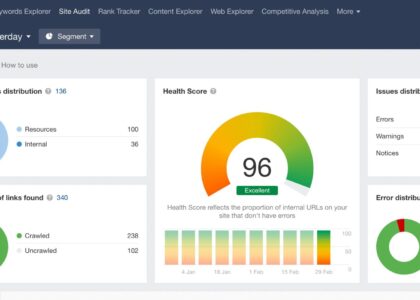
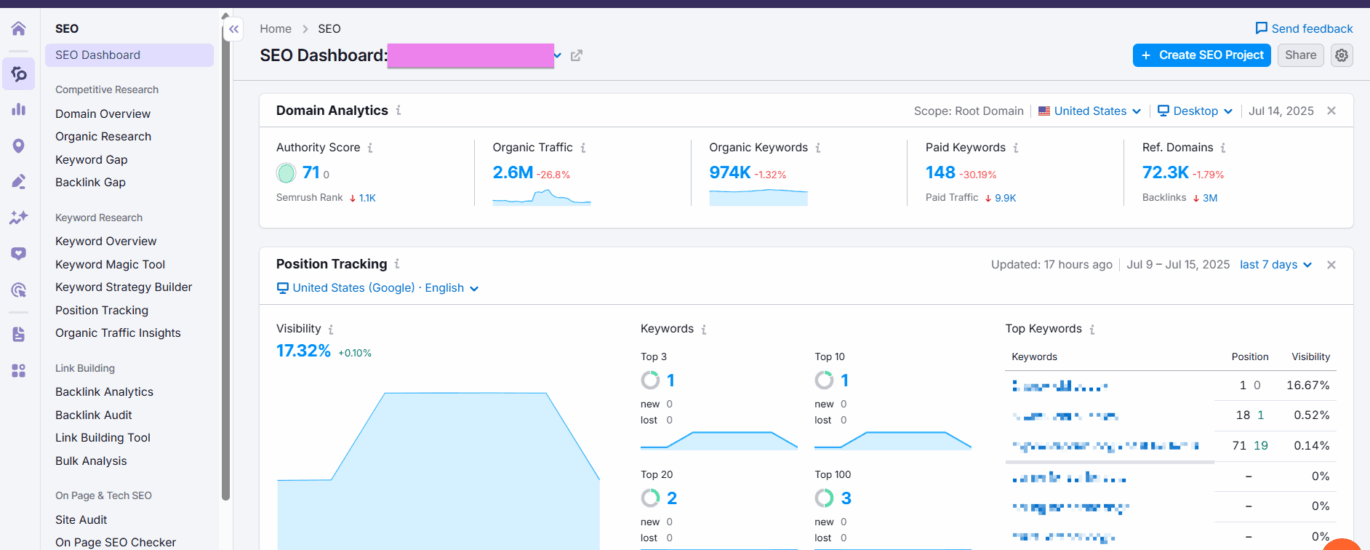
An SEO analyzer is a tool that evaluates various aspects of a website’s SEO performance. It provides valuable insights into key metrics such as keyword density, backlink quality, site speed, mobile-friendliness, and more. By analysing this data, website owners can identify areas for improvement and develop strategies to enhance their SEO efforts.
Benefits of Using an SEO Analyzer Tool
- Identifying SEO Issues: An SEO analyzer helps pinpoint technical issues that may be affecting your website’s search engine rankings, such as broken links or missing meta tags.
- Keyword Analysis: By analysing keyword usage and relevance, an SEO analyzer can suggest new keywords to target or optimize existing ones for better performance.
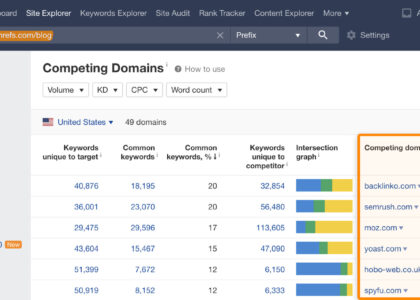
- Competitor Analysis: Some SEO analyser tools offer insights into competitor strategies, allowing you to benchmark your performance and identify opportunities for improvement.
- Monitoring Progress: Regularly using an SEO analyzer helps track the impact of your optimization efforts over time and adjust strategies accordingly.
Choosing the Right SEO Analyzer Tool
With a wide range of SEO analyzer tools available in the market, it’s essential to choose one that aligns with your specific needs and goals. Consider factors such as features offered, ease of use, reporting capabilities, and pricing when selecting the right tool for your website.
In Conclusion
In today’s competitive online landscape, having a strong SEO strategy is crucial for business success. Utilising an effective SEO analyzer tool can provide valuable insights and data-driven recommendations to help you improve your website’s search engine visibility and attract more organic traffic. Invest in the right tools and stay ahead in the digital game!
9 Essential SEO Tips for Enhancing Your Website’s Performance
- Perform keyword research to identify relevant search terms
- Optimize meta titles and descriptions for each page
- Create high-quality, relevant content that is valuable to users
- Use headings (H1, H2, etc.) to structure your content for SEO
- Optimize images with descriptive filenames and alt text
- Ensure your website is mobile-friendly and loads quickly
- Build quality backlinks from reputable websites in your industry
- Regularly monitor and analyse your website’s performance using tools like Google Analytics
- Stay updated on SEO trends and algorithm changes to adapt your strategy
Perform keyword research to identify relevant search terms
Performing keyword research is a fundamental step in any SEO strategy. By identifying relevant search terms that potential customers are using to find products or services, businesses can optimise their website content to target those keywords effectively. Keyword research not only helps improve search engine rankings but also ensures that the content resonates with the target audience, driving organic traffic and increasing the likelihood of conversions. In essence, thorough keyword research lays the foundation for a successful SEO campaign by aligning website content with user intent and search engine algorithms.
Optimize meta titles and descriptions for each page
Optimising meta titles and descriptions for each page is a crucial tip in SEO analysis. Meta titles and descriptions serve as the first impression of your webpage in search engine results, influencing click-through rates and overall visibility. By crafting compelling and relevant meta tags that include targeted keywords, you can improve your website’s chances of ranking higher in search results and attracting quality organic traffic. Ensuring that each page has a unique and optimised meta title and description is a fundamental aspect of on-page SEO that can significantly impact your site’s performance in search engines.
Create high-quality, relevant content that is valuable to users
Creating high-quality, relevant content that offers genuine value to users is a fundamental tip in SEO analysis. Search engines prioritise content that is informative, engaging, and addresses the needs of the target audience. By focusing on producing valuable content that resonates with users, websites can improve their search engine rankings and attract organic traffic. Quality content not only enhances user experience but also establishes credibility and authority in the online space, contributing to long-term SEO success.
Use headings (H1, H2, etc.) to structure your content for SEO
Using headings (H1, H2, etc.) to structure your content is a crucial tip for improving your website’s SEO performance. Search engines rely on headings to understand the hierarchy and relevance of your content, making it easier for them to index and rank your pages accurately. By incorporating relevant keywords into your headings and organising your content in a logical manner, you not only enhance the user experience but also signal to search engines the key topics of your page. This simple yet effective practice can significantly boost your website’s visibility and help attract more organic traffic.
Optimize images with descriptive filenames and alt text
Optimising images with descriptive filenames and alt text is a crucial aspect of SEO strategy. By using relevant keywords in image filenames and providing informative alt text, website owners can enhance their website’s visibility in search engine results. Search engines rely on this textual information to understand the content of images, making it easier for them to index and rank the website appropriately. This simple yet effective tip not only improves SEO but also enhances user experience by providing context for visually impaired users and ensuring images are correctly displayed across different devices.
Ensure your website is mobile-friendly and loads quickly
Ensuring that your website is mobile-friendly and loads quickly is crucial for effective SEO performance. With the increasing use of mobile devices for web browsing, Google and other search engines prioritize mobile-friendly websites in their rankings. A fast-loading website not only enhances user experience but also contributes to higher search engine rankings. By optimising your site for mobile users and improving its loading speed, you can attract more visitors, reduce bounce rates, and ultimately improve your SEO performance.
Build quality backlinks from reputable websites in your industry
Building quality backlinks from reputable websites within your industry is a crucial tip for effective SEO analysis. Backlinks from authoritative sources not only enhance your website’s credibility in the eyes of search engines but also drive targeted traffic to your site. By focusing on establishing relationships with industry leaders and creating valuable content that attracts natural backlinks, you can improve your website’s search engine rankings and overall online visibility.
Regularly monitor and analyse your website’s performance using tools like Google Analytics
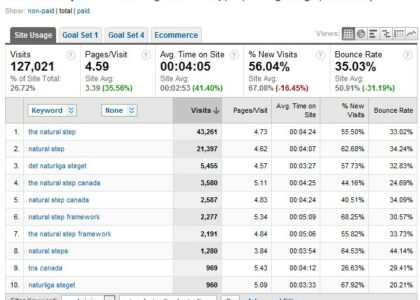
Regularly monitoring and analysing your website’s performance using tools like Google Analytics is crucial for maintaining a successful online presence. By tracking key metrics such as website traffic, user behaviour, and conversion rates, you can gain valuable insights into how your site is performing and identify areas for improvement. With this data-driven approach, you can make informed decisions to optimise your SEO strategy, enhance user experience, and ultimately drive better results for your business.
Stay updated on SEO trends and algorithm changes to adapt your strategy
Staying informed about the latest SEO trends and algorithm updates is crucial for adapting and enhancing your digital marketing strategy. By keeping abreast of industry developments, you can proactively adjust your SEO tactics to align with search engine requirements and best practices. This continuous learning approach ensures that your website remains competitive in search rankings and effectively reaches your target audience.