

The Importance of Using an SEO Checker for Your Website
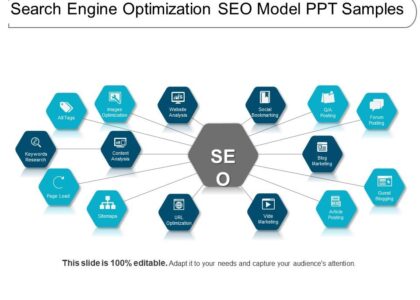
Search Engine Optimization (SEO) is crucial for improving your website’s visibility and ranking on search engine results pages. An SEO checker is a valuable tool that can help you analyse and optimise your website’s SEO performance effectively.
Benefits of Using an SEO Checker:
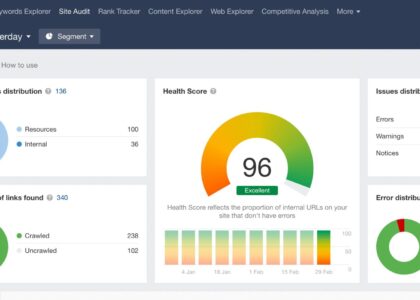
- Identifying Issues: An SEO checker can scan your website and identify any technical issues, such as broken links, missing meta tags, or slow page speed, that may be affecting your SEO performance.
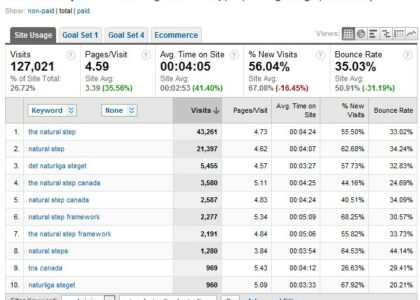
- Keyword Analysis: By analysing the keywords used on your website, an SEO checker can help you determine if you are targeting the right keywords to attract your target audience.
- Competitor Analysis: Some advanced SEO checkers offer competitor analysis features that allow you to compare your website’s performance with that of your competitors, helping you identify areas for improvement.
- Content Optimisation: An SEO checker can assess the quality and relevance of your content and provide suggestions for optimising it to improve search engine rankings.
- Monitoring Progress: Regularly using an SEO checker enables you to track your progress over time and make necessary adjustments to improve your website’s SEO performance continuously.
Conclusion
In today’s competitive online landscape, having a strong SEO strategy is essential for the success of your website. By utilising an SEO checker to analyse and optimise your website’s SEO performance, you can enhance its visibility, attract more organic traffic, and ultimately achieve better results in search engine rankings.
Top 6 SEO Checker Tips to Enhance Your Website’s Performance
- Regularly check your website for SEO issues using an SEO checker tool.
- Focus on improving meta tags, headings, and content quality to boost SEO performance.
- Ensure your website is mobile-friendly for better search engine rankings.
- Monitor backlinks and fix any broken links to enhance your site’s SEO.
- Optimize images by using descriptive filenames and alt text to improve SEO.
- Track keyword rankings and make necessary adjustments to stay competitive in search results.
Regularly check your website for SEO issues using an SEO checker tool.
Regularly checking your website for SEO issues using an SEO checker tool is essential to maintain and improve your website’s search engine rankings. By conducting routine checks, you can identify and address any technical or content-related issues that may be hindering your SEO performance. This proactive approach not only helps you stay ahead of potential problems but also allows you to continuously optimise your website for better visibility and user experience. Consistent monitoring with an SEO checker tool is key to ensuring that your website remains competitive in the ever-evolving digital landscape.
Focus on improving meta tags, headings, and content quality to boost SEO performance.
To enhance your website’s SEO performance, it is crucial to focus on improving key elements such as meta tags, headings, and content quality. Optimising meta tags with relevant keywords and descriptions helps search engines understand the content of your pages better. Crafting clear and concise headings not only improves user experience but also signals the importance of specific topics to search engines. Additionally, ensuring high-quality content that is informative, engaging, and relevant to your target audience can significantly boost your website’s visibility and ranking in search engine results pages. By prioritising these aspects, you can strengthen your SEO strategy and increase the likelihood of attracting organic traffic to your site.
Ensure your website is mobile-friendly for better search engine rankings.
Ensuring that your website is mobile-friendly is a crucial tip for improving your search engine rankings. With the increasing number of users accessing websites on mobile devices, search engines prioritise mobile-friendly sites in their rankings. By optimising your website for mobile users, you provide a better user experience, which can lead to higher engagement and improved search visibility. Mobile responsiveness not only enhances your SEO performance but also caters to the preferences of modern users who rely on smartphones and tablets for browsing the internet.
Monitor backlinks and fix any broken links to enhance your site’s SEO.
Monitoring backlinks and fixing any broken links are essential steps to enhance your site’s SEO performance. Backlinks play a crucial role in determining your website’s authority and credibility in the eyes of search engines. By regularly checking and maintaining your backlink profile, you can ensure that all links pointing to your site are relevant and functional, thus improving your site’s overall SEO health. Additionally, addressing broken links promptly not only improves user experience but also prevents potential negative impacts on your search engine rankings.
Optimize images by using descriptive filenames and alt text to improve SEO.
Optimising images by using descriptive filenames and alt text is a crucial tip to enhance SEO performance. Search engines rely on this information to understand the content of images on a webpage, making it easier for them to index and rank the page accordingly. By incorporating relevant keywords into image filenames and alt text, website owners can improve their chances of appearing in search results related to those keywords. This simple yet effective practice not only boosts SEO but also enhances user experience by providing visually impaired users with meaningful descriptions of images through screen readers.
Track keyword rankings and make necessary adjustments to stay competitive in search results.
Tracking keyword rankings is a crucial aspect of SEO strategy. By monitoring how your chosen keywords perform in search results, you can gain valuable insights into the effectiveness of your content and overall SEO efforts. Making necessary adjustments based on this data allows you to stay competitive in search results, ensuring that your website remains visible and relevant to your target audience. Continuous tracking and fine-tuning of keyword rankings help you adapt to changing trends and algorithms, ultimately improving your website’s search engine performance and driving organic traffic.