
The Importance of Google SEO Keyword Analysis
Search Engine Optimization (SEO) is crucial for any website looking to increase its visibility and attract more organic traffic. One of the key aspects of SEO is keyword analysis, especially when it comes to Google, the most widely used search engine.
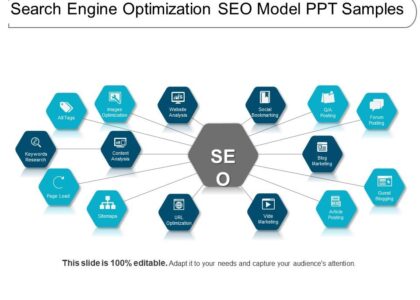
Google SEO keyword analysis involves researching and identifying the most relevant keywords that users are searching for in relation to your website’s content. By incorporating these keywords strategically into your website’s content, meta tags, and other elements, you can improve your chances of ranking higher in Google search results.
Benefits of Google SEO Keyword Analysis:
- Improved Visibility: By targeting the right keywords, you can increase your website’s visibility in search engine results pages (SERPs).
- Higher Ranking: Using relevant keywords can help your website rank higher on Google, making it more likely to be seen by users.
- Targeted Traffic: By focusing on specific keywords related to your niche, you can attract more targeted traffic that is more likely to convert.
- Competitive Advantage: Understanding which keywords your competitors are targeting can give you a competitive edge in the online market.
- Content Strategy: Keyword analysis can help shape your content strategy by identifying topics that are popular among users.
How to Conduct Google SEO Keyword Analysis:
- Keyword Research: Use tools like Google Keyword Planner, SEMrush, or Ahrefs to identify relevant keywords with high search volume and low competition.
- Analyse Competitors: Look at what keywords your competitors are targeting and consider incorporating them into your strategy.
- Create a List: Compile a list of primary and secondary keywords that align with your website’s content and goals.
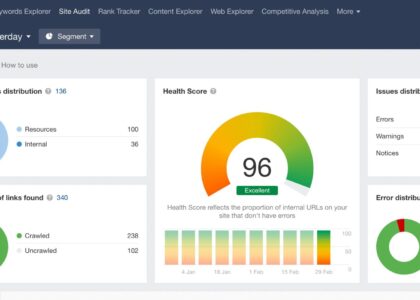
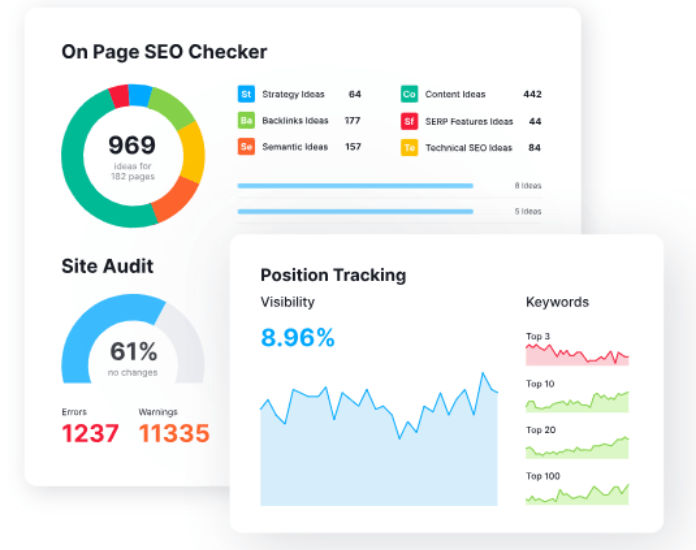
- Monitor Performance: Regularly monitor the performance of your chosen keywords using analytics tools to make adjustments as needed.
In conclusion, Google SEO keyword analysis is an essential component of any successful SEO strategy. By understanding the importance of keyword research and implementing it effectively, you can enhance your website’s visibility, attract more traffic, and ultimately achieve better results in Google search rankings.
Mastering Google SEO: 5 Essential Tips for Effective Keyword Analysis
- Use Google Keyword Planner to research relevant keywords for your content.
- Focus on long-tail keywords that are specific to your niche or industry.
- Analyse the search volume and competition level of chosen keywords to find a balance.
- Include target keywords naturally in your content, meta tags, and URLs for better SEO results.
- Regularly monitor keyword performance and make adjustments based on analytics data.
Use Google Keyword Planner to research relevant keywords for your content.
To enhance your Google SEO keyword analysis strategy, it is recommended to utilise the Google Keyword Planner tool for researching relevant keywords that align with your content. By leveraging this tool, you can identify high-volume keywords with low competition, enabling you to target the most effective keywords for improving your website’s visibility and ranking on Google search results. Incorporating these researched keywords strategically into your content can significantly boost your website’s chances of attracting organic traffic and reaching a wider audience online.
Focus on long-tail keywords that are specific to your niche or industry.
When conducting Google SEO keyword analysis, it is advisable to focus on long-tail keywords that are specific to your niche or industry. Long-tail keywords are longer and more specific phrases that target a particular audience segment. By incorporating these niche-specific keywords into your website’s content, you can attract highly relevant traffic and improve your chances of ranking higher in Google search results. This targeted approach not only enhances visibility but also increases the likelihood of attracting users who are actively seeking the products or services you offer within your niche.
Analyse the search volume and competition level of chosen keywords to find a balance.
When conducting Google SEO keyword analysis, it is essential to analyse the search volume and competition level of chosen keywords to strike a balance. By assessing the search volume, you can determine how popular a specific keyword is among users, while evaluating the competition level helps understand how difficult it may be to rank for that keyword. Finding the right balance between search volume and competition ensures that you target keywords that are both relevant to your content and have a realistic chance of ranking well in Google search results. This approach maximises the effectiveness of your SEO efforts and increases the visibility of your website to potential visitors.
Include target keywords naturally in your content, meta tags, and URLs for better SEO results.
To maximise the effectiveness of your Google SEO keyword analysis, it is essential to seamlessly integrate target keywords into your content, meta tags, and URLs. By incorporating these keywords organically and naturally throughout your website, you can enhance its relevance and visibility to search engines like Google. This strategic placement of keywords helps improve the overall SEO performance of your site, increasing the likelihood of higher rankings in search results and attracting more relevant traffic.
Regularly monitor keyword performance and make adjustments based on analytics data.
Regularly monitoring the performance of your chosen keywords and making adjustments based on analytics data is a crucial tip for effective Google SEO keyword analysis. By tracking how well your selected keywords are performing in terms of search volume, click-through rates, and conversion rates, you can identify opportunities for improvement and fine-tune your SEO strategy accordingly. This proactive approach allows you to stay agile in the ever-evolving digital landscape, ensuring that your website remains optimised for maximum visibility and relevance in Google search results.