
Google SEO Analysis: A Comprehensive Guide
Search Engine Optimization (SEO) is crucial for any website looking to improve its visibility and ranking on Google. Conducting a thorough SEO analysis is essential to understand how well your website is performing and identify areas for improvement.
What is Google SEO Analysis?
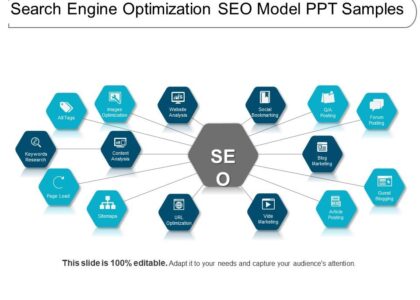
Google SEO analysis involves evaluating various aspects of your website to determine its search engine friendliness. This includes assessing on-page elements such as meta tags, headings, content quality, and keyword usage, as well as off-page factors like backlinks and social signals.
Key Steps in Google SEO Analysis
- Keyword Research: Identify relevant keywords that your target audience is searching for.
- On-Page SEO Audit: Review and optimize meta tags, headings, content, images, and internal links.
- Technical SEO Check: Ensure proper site structure, mobile-friendliness, page speed, and indexability.
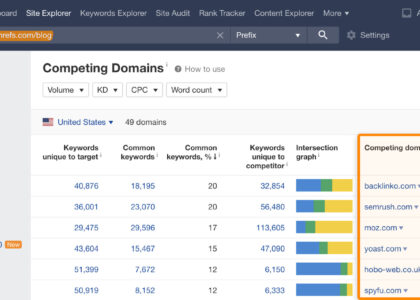
- Backlink Analysis: Evaluate the quality and quantity of backlinks pointing to your site.
- Content Quality Assessment: Analyse the uniqueness, relevance, and engagement of your content.
The Importance of Google SEO Analysis
An in-depth SEO analysis can help you uncover opportunities to enhance your website’s performance on Google. By identifying weaknesses and implementing strategic improvements based on data-driven insights, you can boost your search engine rankings and attract more organic traffic.
Tools for Google SEO Analysis
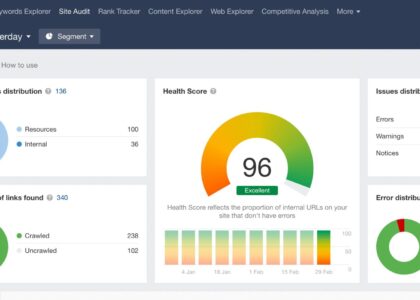
There are several tools available to assist with Google SEO analysis, including Google Search Console, Google Analytics, SEMrush, Moz Pro, Ahrefs, and more. These tools provide valuable data and metrics to evaluate your website’s SEO performance effectively.
In Conclusion
Google SEO analysis is an ongoing process that requires continuous monitoring and adjustment to stay competitive in search engine results. By investing time and effort into analysing and improving your website’s SEO factors according to Google’s guidelines, you can drive organic traffic growth and achieve better visibility online.
Top 8 Essential Tips for Effective Google SEO Analysis
- Ensure your website is mobile-friendly for better search engine rankings.
- Optimize your website’s loading speed to improve user experience and SEO performance.
- Create high-quality, relevant content that provides value to users and includes relevant keywords.
- Use descriptive meta tags, including title tags and meta descriptions, to help search engines understand your content.
- Optimize your images with descriptive filenames and alt text to improve accessibility and SEO.
- Regularly review and update your website’s internal links for better navigation and SEO performance.
- Monitor your website’s performance using Google Analytics to track key metrics and identify areas for improvement.
- Stay updated on Google’s algorithm changes and best practices in SEO to adapt your strategy accordingly.
Ensure your website is mobile-friendly for better search engine rankings.
Ensuring that your website is mobile-friendly is a crucial tip for improving your search engine rankings on Google. With the increasing number of users accessing the internet through mobile devices, having a responsive and mobile-optimised website is essential to provide a seamless user experience. Google prioritises mobile-friendly websites in its search results, so by optimising your site for mobile, you not only enhance user satisfaction but also boost your chances of ranking higher in search engine results pages.
Optimize your website’s loading speed to improve user experience and SEO performance.
Optimising your website’s loading speed is a critical aspect of Google SEO analysis. A faster loading website not only enhances user experience by providing a seamless browsing experience but also positively impacts SEO performance. Search engines like Google consider page speed as a ranking factor, prioritising websites that load quickly. By focusing on improving your website’s loading speed, you can not only keep visitors engaged but also boost your search engine visibility and ultimately drive more organic traffic to your site.
Create high-quality, relevant content that provides value to users and includes relevant keywords.
Creating high-quality, relevant content that offers value to users and incorporates pertinent keywords is a fundamental tip for effective Google SEO analysis. By producing engaging and informative content that resonates with your target audience while strategically integrating relevant keywords, you can enhance your website’s visibility and attract organic traffic. Google values content that is user-centric and addresses the needs and interests of searchers, making it essential to focus on quality and relevance in your content creation efforts for optimal SEO performance.
Use descriptive meta tags, including title tags and meta descriptions, to help search engines understand your content.
Utilising descriptive meta tags, such as title tags and meta descriptions, is a crucial tip for effective Google SEO analysis. These tags provide concise summaries of your web pages’ content, helping search engines like Google better understand and index your site. By crafting compelling and relevant meta tags that accurately reflect the content on each page, you can enhance your website’s visibility in search results and attract more qualified traffic. Remember to incorporate targeted keywords naturally within your meta tags to improve their relevance and increase the likelihood of ranking higher in search engine results pages.
Optimize your images with descriptive filenames and alt text to improve accessibility and SEO.
Optimising images with descriptive filenames and alt text is a crucial aspect of Google SEO analysis. By using relevant keywords in your image filenames and providing informative alt text, you not only enhance the accessibility of your website for visually impaired users but also improve your site’s SEO performance. Search engines rely on this information to understand the context of your images, making it easier for them to index and rank your content appropriately. Incorporating this simple yet effective tip can significantly boost your website’s visibility and user experience while aligning with best SEO practices.
Regularly review and update your website’s internal links for better navigation and SEO performance.
Regularly reviewing and updating your website’s internal links is a crucial aspect of Google SEO analysis. By ensuring that your internal linking structure is well-organised and relevant, you can improve both user navigation and SEO performance. Effective internal linking not only helps search engine crawlers discover and index your content more efficiently but also enhances the user experience by guiding visitors to relevant pages within your site. By prioritising the optimisation of internal links, you can strengthen the overall SEO strategy of your website and increase its visibility in search engine results pages.
Monitor your website’s performance using Google Analytics to track key metrics and identify areas for improvement.
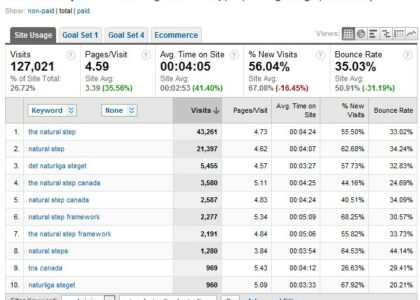
Monitoring your website’s performance using Google Analytics is a crucial tip in Google SEO analysis. By tracking key metrics such as traffic sources, user behaviour, and conversion rates, you can gain valuable insights into how your site is performing and where there may be opportunities for enhancement. Identifying areas for improvement based on data-driven analysis allows you to make informed decisions to optimise your website’s SEO strategy and ultimately improve its visibility and ranking on Google search results.
Stay updated on Google’s algorithm changes and best practices in SEO to adapt your strategy accordingly.
Staying updated on Google’s algorithm changes and best practices in SEO is crucial for maintaining a successful online presence. By keeping abreast of the latest developments, you can adapt your SEO strategy effectively to align with Google’s ranking criteria and enhance your website’s visibility. Regularly monitoring and implementing industry best practices will not only help you stay competitive in search engine results but also ensure that your website remains optimised for improved performance and user experience.