
The Importance of On-Page SEO Audit
Search Engine Optimization (SEO) is crucial for improving your website’s visibility and ranking on search engine results pages. One essential aspect of SEO is conducting regular on-page audits to ensure that your website is optimised for search engines.
What is an On-Page SEO Audit?
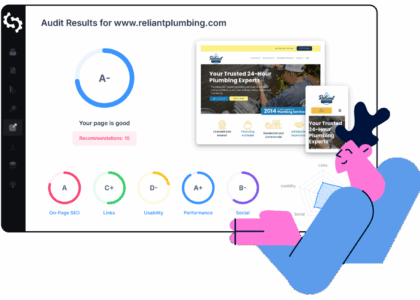
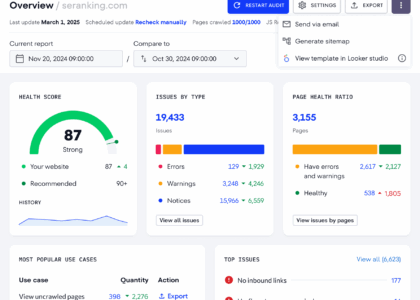
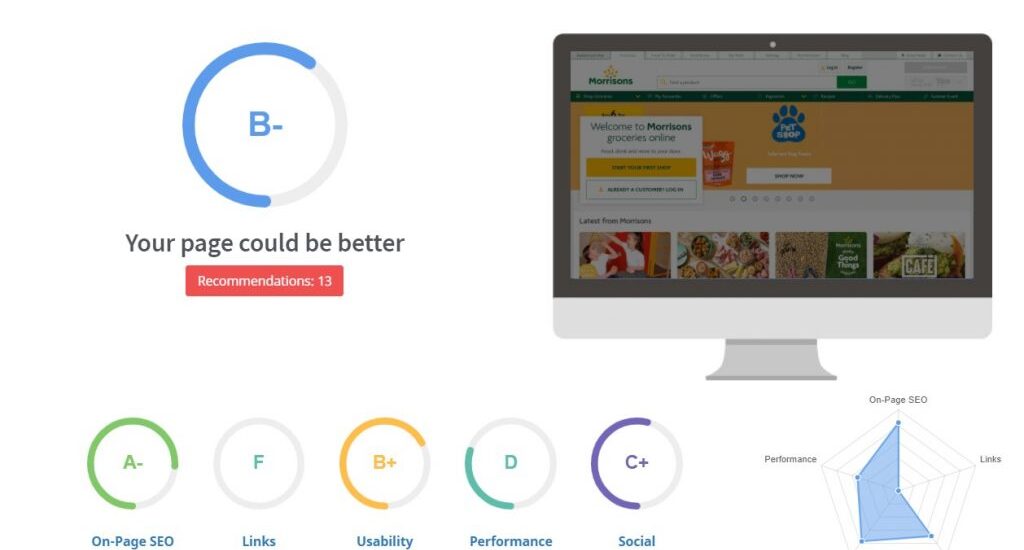
An on-page SEO audit involves evaluating various elements on individual web pages to identify areas for improvement. This includes analysing content quality, keyword usage, meta tags, internal linking structure, and other factors that impact a page’s search engine ranking.
Benefits of an On-Page SEO Audit
Conducting regular on-page SEO audits offers several benefits, including:
- Improved Search Engine Ranking: By identifying and fixing issues that may be hindering your website’s performance in search results, you can improve your ranking and attract more organic traffic.
- Enhanced User Experience: Optimising on-page elements not only benefits search engines but also enhances the overall user experience, leading to higher engagement and conversions.
- Better Content Quality: An audit helps ensure that your content is relevant, informative, and engaging for users, which can positively impact your site’s credibility and authority.
- Increased Click-Through Rates: By optimising meta tags, headings, and other on-page elements, you can entice users to click on your search listings, increasing click-through rates.
How to Conduct an On-Page SEO Audit
To perform an effective on-page SEO audit, consider the following steps:
- Keyword Analysis: Evaluate keyword usage across your pages and ensure they align with your target audience’s search queries.
- Content Quality Check: Assess the quality and relevance of your content to determine if it meets user intent and provides value.
- Meta Tags Review: Review meta titles and descriptions to ensure they are compelling, relevant, and include target keywords.
- Internal Linking Structure Examination: Analyse internal links to improve navigation and distribute link equity effectively throughout the site.
- Mobile-Friendliness Assessment: Check if your pages are mobile-friendly for improved user experience and search rankings.
In conclusion, conducting regular on-page SEO audits is essential for maintaining a strong online presence and maximising the potential of your website. By identifying areas for improvement and implementing best practices, you can enhance both search engine visibility and user experience.
7 Essential Tips for Conducting an Effective On-Page SEO Audit
- Check for proper usage of meta tags (title, description, keywords)
- Ensure all images have descriptive alt text
- Review and optimize heading tags (H1, H2, etc.) for relevance and keywords
- Check for broken links and fix them
- Evaluate page loading speed and make necessary improvements
- Optimize content for target keywords without keyword stuffing
- Ensure mobile-friendliness and responsive design
Check for proper usage of meta tags (title, description, keywords)
Checking for proper usage of meta tags, including title, description, and keywords, is a crucial aspect of an on-page SEO audit. The meta tags provide search engines with essential information about the content of a web page, helping them understand its relevance to user queries. By ensuring that these tags are optimised with relevant keywords and accurately reflect the page’s content, website owners can improve their chances of ranking higher in search results and attracting organic traffic. Properly crafted meta tags not only enhance search engine visibility but also entice users to click on the search listings, ultimately leading to improved click-through rates and user engagement.
Ensure all images have descriptive alt text
Ensuring that all images on your website have descriptive alt text is a crucial aspect of on-page SEO audit. Alt text not only provides valuable context to visually impaired users but also helps search engines understand the content of the image. By optimising alt text with relevant keywords and descriptions, you can improve the accessibility of your website and enhance its overall SEO performance. Neglecting to include alt text may result in missed opportunities for ranking in image searches and could impact the user experience for those relying on screen readers.
Review and optimize heading tags (H1, H2, etc.) for relevance and keywords
Reviewing and optimising heading tags, such as H1 and H2, is a crucial step in conducting an effective on-page SEO audit. By ensuring that these tags are relevant to the content on the page and strategically incorporate target keywords, you can signal to search engines the main topics of your content. This not only helps improve search engine visibility but also enhances user experience by providing clear and organised information hierarchy. Optimising heading tags for relevance and keywords can significantly impact your website’s ranking and overall SEO performance.
Check for broken links and fix them
Checking for broken links is a crucial step in conducting an on-page SEO audit. Broken links not only create a poor user experience but also negatively impact your website’s search engine ranking. By identifying and fixing broken links, you ensure that visitors can navigate your site smoothly and search engines can crawl and index your pages effectively. This simple yet important task can help improve the overall health and performance of your website, contributing to better SEO results and user satisfaction.
Evaluate page loading speed and make necessary improvements
It is crucial to evaluate the loading speed of your web pages as part of an on-page SEO audit and make necessary improvements. Page loading speed plays a significant role in user experience and search engine rankings. Slow-loading pages can lead to higher bounce rates and lower user engagement, impacting your site’s performance in search results. By optimising your page loading speed through techniques such as image compression, minifying CSS and JavaScript files, and leveraging browser caching, you can enhance user satisfaction, increase retention rates, and improve your website’s overall SEO performance.
Optimize content for target keywords without keyword stuffing
When conducting an on-page SEO audit, it is crucial to optimise your content for target keywords without resorting to keyword stuffing. Keyword stuffing, the practice of excessively using keywords in an unnatural manner, can harm your website’s ranking and readability. Instead, focus on incorporating keywords organically into your content to enhance its relevance and value for both users and search engines. By striking the right balance and providing high-quality, informative content, you can improve your website’s SEO performance without compromising user experience.
Ensure mobile-friendliness and responsive design
Ensuring mobile-friendliness and responsive design is a crucial aspect of conducting an on-page SEO audit. With the increasing use of mobile devices to access websites, it is essential to provide a seamless user experience across all screen sizes. By optimising your website for mobile users through responsive design, you not only improve user engagement and satisfaction but also boost your search engine rankings. Search engines like Google prioritise mobile-friendly websites in their rankings, making it imperative for businesses to adapt their web presence to cater to the growing mobile audience.