
SEO Ranking Analysis: A Key to Online Success
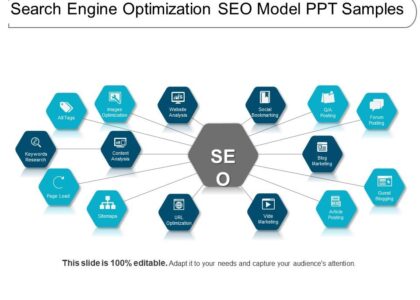
In the world of digital marketing, Search Engine Optimization (SEO) plays a crucial role in determining the visibility and success of a website. One of the essential components of SEO is ranking analysis, which involves evaluating where a website stands in search engine results for specific keywords or phrases.
Understanding SEO Ranking Analysis
SEO ranking analysis is the process of assessing and monitoring how well a website performs in search engine results pages (SERPs). By analysing factors such as keyword rankings, organic traffic, backlink profile, and on-page optimization, businesses can gain valuable insights into their SEO performance.
The Importance of SEO Ranking Analysis
Regular SEO ranking analysis is crucial for several reasons:
- Identifying Opportunities: By analysing keyword rankings and competitor performance, businesses can identify opportunities to improve their own SEO strategies.
- Monitoring Performance: Tracking changes in rankings and traffic helps businesses understand the impact of their SEO efforts and make data-driven decisions.
- Improving User Experience: Analysing on-page elements and user behaviour can help businesses enhance the overall user experience on their website.
- Gaining Competitive Advantage: Understanding where a website stands compared to competitors can provide insights for staying ahead in the digital landscape.
Tools for SEO Ranking Analysis
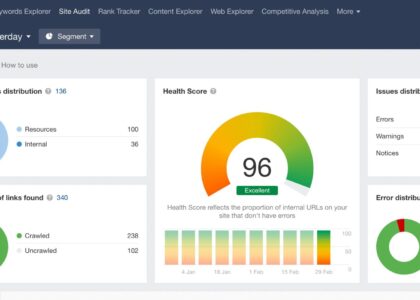
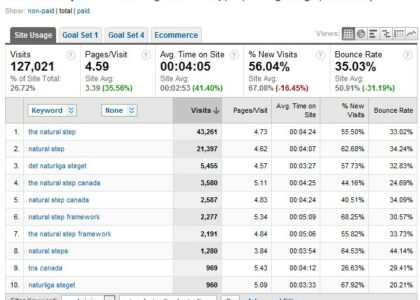
There are various tools available to help businesses conduct SEO ranking analysis effectively. Popular tools include Google Analytics, SEMrush, Ahrefs, Moz Pro, and many more. These tools provide valuable data on keyword rankings, backlinks, site health, and other essential metrics for improving SEO performance.
In Conclusion
SEO ranking analysis is not just about tracking numbers; it’s about understanding how well a website is performing in search engines and using that information to drive improvements. By regularly analysing rankings and other key metrics, businesses can refine their SEO strategies, increase online visibility, and ultimately achieve greater success in the competitive online landscape.
29 Essential FAQs on SEO Ranking and Analysis
- What is 80% SEO score?
- How can I check my website SEO status?
- What is SEO analysis?
- What’s a good SEO score?
- How do you check SEO ranking?
- What is a good SEO ranking score?
- What is a good score for SEO?
- How do you analyze SEO results?
- What is the SEO ranking analysis tool?
- What is the SEO score ranking?
- How can I check my website ranking online?
- How do you analyze a company’s SEO?
- What is the SEO ranking score?
- Is 90 a good SEO score?
- What is my SEO score?
- How can I check my SEO ranking?
- What is SEO Audit Tool?
- How do I check my SEO performance?
- How do I know my SEO ranking?
- How do I know if my website is good for SEO?
- How do you do SEO analysis?
- How do you Analyse SEO?
- Which SEO score is good?
- What are the three stages of ranking SEO?
- How do you analyze SEO?
- How do I check my SEO ranking on Google?
- How can I check my website SEO?
- How do I know my SEO level?
- How can I check my SEO status?
What is 80% SEO score?
An 80% SEO score typically indicates that a website has achieved a high level of optimisation in various key SEO factors. This score suggests that the website is performing well in terms of on-page and off-page SEO elements, such as keyword usage, meta tags, backlink quality, site speed, and mobile responsiveness. While an 80% SEO score is considered good, it’s important to remember that SEO is an ongoing process, and there is always room for improvement. Regularly monitoring and adjusting SEO strategies can help maintain or even improve this score to further enhance the website’s search engine visibility and performance.
How can I check my website SEO status?
To check your website’s SEO status, you can use various tools and techniques to assess its performance in search engine results. One common method is to conduct a comprehensive SEO audit, which involves evaluating factors such as keyword rankings, backlink quality, site speed, mobile-friendliness, and on-page optimization. Additionally, utilising online SEO analysis tools like Google Search Console, SEMrush, or Moz can provide valuable insights into your website’s SEO health. Regularly monitoring and analysing metrics such as organic traffic, keyword visibility, and site errors can help you understand how well your website is optimised for search engines and identify areas for improvement to enhance your overall SEO performance.
What is SEO analysis?
SEO analysis, also known as Search Engine Optimization analysis, is the process of evaluating and assessing various factors that impact a website’s visibility and performance in search engine results. It involves examining elements such as keyword rankings, backlink profiles, on-page optimisation, and overall website health to identify strengths, weaknesses, and opportunities for improvement. By conducting SEO analysis, businesses can gain valuable insights into how well their website is optimized for search engines and make informed decisions to enhance their online presence and drive organic traffic.
What’s a good SEO score?
When it comes to SEO ranking analysis, the concept of a “good SEO score” is not as straightforward as a single numerical value. SEO performance and success are determined by a combination of factors, including keyword rankings, organic traffic, backlink quality, on-page optimization, and more. Instead of focusing on a specific score, businesses should aim to continuously monitor and improve their SEO metrics in alignment with their goals and industry benchmarks. Regularly analysing these key indicators and making data-driven adjustments can lead to improved search engine visibility and online success over time.
How do you check SEO ranking?
To check SEO ranking effectively, businesses can utilise various tools and techniques to monitor their website’s performance in search engine results. One common method is to use online SEO tools like Google Search Console, SEMrush, or Ahrefs, which provide insights into keyword rankings, organic traffic, and backlink profiles. By analysing these metrics regularly, businesses can track their SEO progress and identify areas for improvement. Additionally, manual checks on search engines using specific keywords can give a real-time perspective on where a website stands in the rankings. Combining automated tools with manual checks enables a comprehensive approach to monitoring SEO ranking and making informed decisions to enhance online visibility and drive organic traffic growth.
What is a good SEO ranking score?
When it comes to SEO ranking analysis, one frequently asked question is, “What is a good SEO ranking score?” The answer to this question can vary depending on various factors such as industry, competition, and target keywords. In general, a good SEO ranking score is one that reflects a website’s ability to rank well for relevant keywords in search engine results pages (SERPs). This score is often determined by factors like keyword rankings, organic traffic growth, backlink quality, and overall website performance. While there is no specific universal number that defines a “good” SEO ranking score, continuous monitoring and improvement based on relevant metrics are key to achieving and maintaining a strong online presence.
What is a good score for SEO?
When it comes to determining what constitutes a good score for SEO, there isn’t a one-size-fits-all answer. The effectiveness of SEO efforts can vary depending on various factors such as industry, competition, target keywords, and the goals of a website. While there is no specific numerical score that universally defines good SEO performance, businesses should focus on metrics like organic traffic growth, keyword rankings, conversion rates, and overall website visibility in search engine results pages (SERPs) to gauge the success of their SEO strategies. Regular monitoring and analysis of these key indicators can help businesses assess their SEO performance and make informed decisions to improve their online presence.
How do you analyze SEO results?
Analyzing SEO results involves a comprehensive evaluation of various key performance indicators to assess the effectiveness of an SEO strategy. To begin, it is essential to track keyword rankings to understand how well a website is ranking for targeted search terms. Additionally, analysing organic traffic trends provides insights into the volume and quality of website visitors driven by SEO efforts. Backlink analysis helps determine the authority and relevance of inbound links, while on-page optimization assessment ensures that content is optimised for search engines. By combining these analyses and leveraging tools like Google Analytics and SEO platforms, businesses can gain a holistic view of their SEO performance and make informed decisions to improve their online visibility and rankings.
What is the SEO ranking analysis tool?
An SEO ranking analysis tool is a software application or online platform designed to help businesses assess and monitor their performance in search engine results pages (SERPs). This tool typically provides valuable insights into keyword rankings, organic traffic, backlink profiles, on-page optimization, and other key metrics that impact a website’s visibility and success in search engines. By utilising an SEO ranking analysis tool, businesses can track their progress, identify areas for improvement, and make informed decisions to enhance their overall SEO strategy effectively.
What is the SEO score ranking?
The SEO score ranking refers to a numerical assessment that reflects how well a website is optimised for search engines. This score takes into account various factors such as keyword usage, backlinks, site speed, mobile-friendliness, and overall content quality. The higher the SEO score ranking, the more likely a website is to rank higher in search engine results pages (SERPs) for relevant keywords. It serves as a valuable indicator of a website’s SEO performance and helps businesses understand areas for improvement to enhance their online visibility and attract more organic traffic.
How can I check my website ranking online?
To check your website ranking online, you can use various tools and methods to assess where your website stands in search engine results. One common approach is to utilise online SEO tools such as Google Search Console, SEMrush, Ahrefs, or Moz Pro. These tools allow you to input your website URL and relevant keywords to track your rankings over time. Additionally, you can manually conduct searches on search engines using specific keywords related to your website’s content to see where your site appears in the results. Regularly monitoring your website ranking online is essential for evaluating the effectiveness of your SEO efforts and making informed decisions to improve your online visibility.
How do you analyze a company’s SEO?
To analyse a company’s SEO effectively, it is essential to conduct a comprehensive assessment of various key factors. Start by evaluating the website’s on-page elements, including meta tags, headings, and content quality, to ensure they are optimised for relevant keywords. Next, examine the website’s backlink profile to assess the quality and quantity of inbound links. Utilise tools like Google Analytics and keyword ranking trackers to monitor organic traffic trends and keyword performance. Additionally, conducting a competitive analysis can provide valuable insights into where the company stands compared to its competitors in search engine results. By combining these analyses, businesses can gain a holistic view of their SEO performance and identify areas for improvement to enhance their online visibility and rankings.
What is the SEO ranking score?
The SEO ranking score is a numerical value that indicates the performance and visibility of a website in search engine results. It is a metric used to evaluate how well a website is optimised for search engines based on various factors such as keyword relevance, backlink quality, content quality, user experience, and more. The SEO ranking score helps businesses understand where their website stands in terms of SEO effectiveness and provides insights into areas that may require improvement to enhance organic search visibility and drive more traffic to the site.
Is 90 a good SEO score?
When it comes to SEO scoring, a score of 90 is generally considered good, but it’s essential to understand that SEO scores can vary depending on the tool or metric used for analysis. A score of 90 indicates that the website has strong SEO performance, with well-optimized content, effective backlink profile, and good user experience. However, achieving a perfect score is not always necessary or realistic, as SEO is a continuous process of improvement and adaptation to search engine algorithms. It’s more important to focus on consistent monitoring, analysis, and implementation of SEO best practices to maintain and improve rankings over time.
What is my SEO score?
When it comes to SEO ranking analysis, the frequently asked question “What is my SEO score?” reflects a common desire to quantify and understand the performance of a website in search engine results. While there isn’t a single definitive “SEO score,” various metrics such as keyword rankings, organic traffic, backlink quality, on-page optimization, and user experience collectively contribute to assessing the overall SEO performance of a website. By delving into these factors and using tools to analyse data comprehensively, businesses can gain insights into their SEO strengths and areas for improvement, ultimately working towards enhancing their online visibility and success.
How can I check my SEO ranking?
To check your SEO ranking, you can use various tools and methods to monitor the performance of your website in search engine results pages (SERPs). One common approach is to use online tools such as Google Search Console, SEMrush, Ahrefs, or Moz Pro, which provide insights into keyword rankings, organic traffic, backlink profiles, and other important SEO metrics. Additionally, you can manually conduct searches using specific keywords related to your website and analyse where your site appears in the search results. Regularly checking your SEO ranking allows you to track progress, identify areas for improvement, and make informed decisions to enhance your website’s visibility and performance online.
What is SEO Audit Tool?
An SEO Audit Tool is a valuable resource used to assess and evaluate the overall health and performance of a website in terms of search engine optimization. This tool helps businesses identify areas for improvement by analysing various aspects such as on-page SEO elements, site speed, backlink profile, content quality, and more. By providing detailed insights and recommendations, an SEO Audit Tool enables website owners to make informed decisions to enhance their SEO strategies and ultimately improve their search engine rankings.
How do I check my SEO performance?
To check your SEO performance, you can start by using various tools and metrics to assess the effectiveness of your SEO efforts. Monitor your website’s keyword rankings, organic traffic, backlink profile, and on-page optimization. Tools like Google Analytics, SEMrush, Ahrefs, and Moz Pro can provide valuable insights into your SEO performance. Regularly track changes in rankings and traffic to understand the impact of your strategies and make data-driven decisions to improve your website’s visibility in search engine results pages. By analysing these key metrics and staying informed about your SEO performance, you can identify areas for improvement and work towards enhancing your online presence effectively.
How do I know my SEO ranking?
To determine your SEO ranking, you can use various tools and methods to assess where your website stands in search engine results for specific keywords. One common approach is to utilise online tools like Google Analytics, SEMrush, or Ahrefs, which provide insights into keyword rankings, organic traffic, and other essential metrics. Additionally, monitoring your website’s performance in search engine results pages (SERPs) for targeted keywords can give you a clear indication of your SEO ranking. Regularly tracking these metrics and analysing the data will help you understand how well your website is optimised for search engines and identify areas for improvement to enhance your SEO strategy effectively.
How do I know if my website is good for SEO?
To determine if your website is optimised for SEO, several key factors should be considered. Firstly, evaluate your website’s loading speed, mobile responsiveness, and overall user experience. Conduct keyword research to ensure that your content aligns with relevant search terms. Check for proper meta tags, headings structure, and internal linking to enhance search engine visibility. Analyse your backlink profile and monitor organic traffic trends to gauge the effectiveness of your SEO efforts. Regularly reviewing these aspects will help you ascertain if your website is well-equipped for SEO success.
How do you do SEO analysis?
When it comes to conducting SEO analysis, the process typically involves a comprehensive evaluation of various aspects of a website’s online presence to improve its search engine visibility and performance. To do SEO analysis effectively, one must start by identifying relevant keywords, analysing competitors’ strategies, assessing on-page and off-page factors, monitoring website traffic and user behaviour, and implementing necessary changes based on the insights gained. Utilising tools like Google Analytics, keyword research tools, and SEO auditing software can streamline the analysis process and provide valuable data for making informed decisions to enhance SEO strategies. Regular monitoring and adjustment are key to maintaining and improving search engine rankings over time.
How do you Analyse SEO?
Analyzing SEO involves a comprehensive evaluation of various factors to assess the performance and effectiveness of a website’s search engine optimization strategies. To analyse SEO effectively, one must start by conducting keyword research to identify relevant keywords for targeting. Next, assessing on-page elements such as meta tags, headings, and content quality is essential to ensure they are optimized for search engines. Backlink analysis helps determine the website’s authority and credibility in the eyes of search engines. Monitoring organic traffic, user engagement metrics, and conversion rates provides insights into the overall impact of SEO efforts. Regularly tracking these key indicators and making data-driven adjustments are crucial steps in analysing SEO effectively and improving online visibility.
Which SEO score is good?
When it comes to determining what constitutes a good SEO score, it’s essential to understand that there isn’t a one-size-fits-all answer. SEO scores can vary depending on various factors, including the industry, competition level, and specific goals of a website. Generally, a good SEO score is one that reflects strong performance in key areas such as keyword rankings, organic traffic growth, backlink quality, and on-page optimisation. It’s crucial for businesses to set realistic goals based on their unique circumstances and continuously monitor and improve their SEO efforts to achieve and maintain a favourable SEO score.
What are the three stages of ranking SEO?
Understanding the three stages of ranking SEO is crucial for implementing an effective search engine optimization strategy. The first stage is keyword research, where businesses identify relevant keywords and phrases that their target audience is searching for. The second stage involves on-page optimization, where these keywords are strategically incorporated into website content, meta tags, and URLs to improve visibility to search engines. The final stage is off-page optimization, which focuses on building quality backlinks from reputable websites to enhance the website’s authority and credibility in the eyes of search engines. By successfully navigating through these three stages, businesses can improve their SEO rankings and attract more organic traffic to their websites.
How do you analyze SEO?
Analyzing SEO involves a comprehensive evaluation of various factors to assess the performance and effectiveness of a website’s search engine optimization strategies. To analyse SEO effectively, one must start by conducting keyword research to identify relevant and high-traffic keywords. Monitoring website traffic, including organic search traffic and user behaviour, is essential to understand the impact of SEO efforts. Assessing on-page elements such as meta tags, headings, and content quality, as well as evaluating backlink profiles and site speed, are also crucial aspects of SEO analysis. By combining these insights and using tools like Google Analytics and SEO platforms, businesses can gain a deeper understanding of their SEO performance and make informed decisions to improve their online visibility.
How do I check my SEO ranking on Google?
To check your SEO ranking on Google, you can use various tools and methods. One common approach is to conduct a manual search using relevant keywords and assessing where your website appears in the search results. Additionally, utilising online tools such as Google Search Console, SEMrush, Ahrefs, or Moz can provide detailed insights into your website’s ranking performance, keyword positions, and overall SEO health. Regularly monitoring these metrics and making necessary adjustments based on the analysis can help improve your website’s visibility and performance in Google search results.
How can I check my website SEO?
To check your website’s SEO performance, there are several methods you can use. One common way is to conduct a comprehensive SEO audit, which involves analysing factors such as on-page optimization, backlink profile, site speed, and mobile-friendliness. Additionally, you can utilise online tools like Google Search Console and Google Analytics to track important metrics such as organic traffic, keyword rankings, and user engagement. Regularly monitoring these metrics and making necessary adjustments based on the data can help improve your website’s SEO and overall online visibility.
How do I know my SEO level?
To determine your SEO level, conducting a comprehensive SEO ranking analysis is essential. Start by assessing your website’s keyword rankings, organic traffic trends, backlink profile, and on-page optimization. Utilise tools like Google Analytics, SEMrush, Ahrefs, or Moz Pro to gather data on these key metrics. By analysing this information, you can gain valuable insights into your current SEO performance and identify areas for improvement. Regularly monitoring and evaluating your SEO level will help you make informed decisions to enhance your online visibility and drive success in the digital landscape.
How can I check my SEO status?
To check your SEO status, you can use various tools and methods to assess the performance of your website in search engine results. One common approach is to conduct a comprehensive SEO audit, which involves evaluating factors such as keyword rankings, backlink profile, on-page optimisation, and site speed. Additionally, you can utilise online tools like Google Search Console, SEMrush, Ahrefs, or Moz to track your website’s performance metrics and identify areas for improvement. Regularly monitoring your SEO status through these tools will help you understand how well your website is ranking in search results and guide you in making informed decisions to enhance your online visibility.