
The Importance of Website Speed Test Analysis
Website speed plays a crucial role in the success of any online platform. In today’s fast-paced digital world, users expect websites to load quickly and efficiently. A website that loads slowly can lead to high bounce rates, poor user experience, and ultimately loss of potential customers.
What is Website Speed Test Analysis?
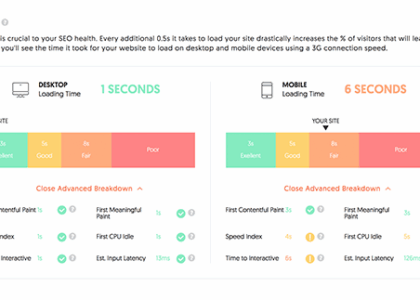
Website speed test analysis involves evaluating the performance of a website by measuring how quickly its pages load. This analysis provides valuable insights into various aspects affecting the speed of a website, such as server response time, image optimization, code efficiency, and more.
Benefits of Website Speed Test Analysis
Improved User Experience: A fast-loading website ensures a positive user experience, leading to increased engagement and lower bounce rates.
Higher Search Engine Rankings: Search engines like Google consider website speed as a ranking factor. Faster websites are more likely to rank higher in search results.
Increased Conversions: Studies have shown that faster websites have higher conversion rates. By analysing and improving website speed, businesses can boost their conversion rates and revenue.
How to Conduct a Website Speed Test Analysis
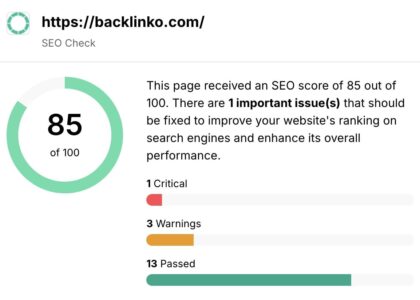
There are various online tools available to conduct a comprehensive website speed test analysis. These tools provide detailed reports on different aspects affecting website performance and suggest ways to improve speed.
Conclusion
Regularly conducting website speed test analysis is essential for maintaining optimal performance and ensuring a seamless user experience. By identifying areas for improvement and implementing necessary changes, businesses can enhance their online presence and stay ahead in the competitive digital landscape.
Essential FAQs on Analysing and Optimising Website Speed
- What is good performance speed for a website?
- How do you analyze website speed?
- How do I check website slowness?
- How do you know if a website is slow?
- What is a good website speed score?
- Is My website Optimized?
- How can I test my website speed for free?
- How can I check my website speed for free?
What is good performance speed for a website?
Determining what constitutes good performance speed for a website is a common concern among website owners and developers. In general, a good performance speed for a website is considered to be under 3 seconds for the page to fully load. However, factors such as the complexity of the website, server response time, content delivery network (CDN) usage, and overall page size can influence what is deemed acceptable. It is crucial to regularly monitor and analyse website speed test results to identify areas for improvement and ensure that visitors have a seamless browsing experience. Ultimately, striving for faster loading times can lead to higher user satisfaction, improved search engine rankings, and increased conversions.
How do you analyze website speed?
To analyse website speed, various tools and techniques can be utilised. One common method is to use online speed test tools that provide detailed insights into a website’s performance metrics, such as page load times, server response times, and file sizes. These tools often generate comprehensive reports highlighting areas for improvement, such as image optimization, code minification, and caching strategies. Additionally, web developers can conduct manual performance audits by inspecting network requests, evaluating code efficiency, and implementing best practices to enhance website speed. Regular monitoring and analysis of these factors are crucial in maintaining a fast-loading website that offers an optimal user experience.
How do I check website slowness?
To determine website slowness, you can conduct a website speed test using various online tools specifically designed for this purpose. These tools analyse your website’s performance metrics, such as page load time, server response time, and overall speed score. By running a website speed test, you can identify the specific areas causing slowness and receive recommendations on how to improve them. Regularly checking your website’s speed performance is crucial in ensuring optimal user experience and maintaining high search engine rankings.
How do you know if a website is slow?
Determining if a website is slow can be done through various methods, with website speed test analysis being a popular approach. By using online tools that measure loading times, server response times, and overall performance metrics, one can assess the speed of a website. Additionally, user feedback and analytics data showing high bounce rates or low engagement can also indicate that a website is slow. Factors such as long page load times, delays in content rendering, and sluggish interactions are common signs of a slow website that may require further investigation and optimisation to enhance user experience and performance.
What is a good website speed score?
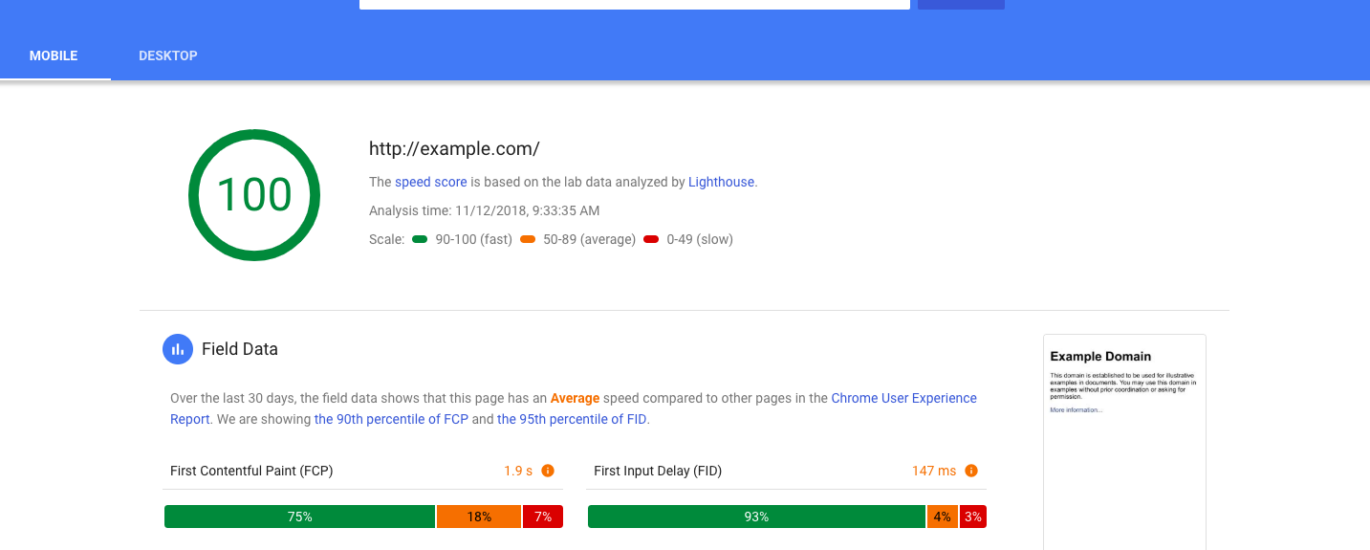
When it comes to website speed scores, the ideal benchmark can vary depending on the specific context and goals of a website. However, in general, a good website speed score is typically considered to be around 90 or above out of 100. This indicates that the website loads quickly and provides a smooth user experience. It’s important to note that different tools may have slightly different scoring systems, so it’s essential to interpret the results in relation to the specific tool used for analysis. Ultimately, aiming for a high website speed score is crucial for ensuring optimal performance and user satisfaction.
Is My website Optimized?
When considering the question “Is my website optimized?”, it is crucial to delve into various factors that contribute to website performance. Conducting a thorough website speed test analysis can provide valuable insights into the optimization level of a website. By evaluating metrics such as page load speed, server response time, image compression, and code efficiency, website owners can determine if their site is running at its peak performance. Regularly assessing and fine-tuning these elements is essential to ensure that a website is fully optimized for optimal user experience and search engine visibility.
How can I test my website speed for free?
To test your website speed for free, there are several online tools available that can provide valuable insights into your website’s performance. Popular tools such as Google PageSpeed Insights, GTmetrix, and Pingdom offer free website speed test analysis. Simply enter your website’s URL into these tools, and they will generate detailed reports highlighting areas for improvement, such as image optimization, server response time, and code efficiency. By regularly testing your website speed for free using these tools, you can identify bottlenecks and implement necessary changes to enhance user experience and improve overall performance.
How can I check my website speed for free?
To check your website speed for free, there are various online tools available that can provide you with valuable insights into the performance of your website. Simply visit reputable websites offering free website speed test analysis services, enter your website URL, and initiate the speed test. These tools will measure important metrics such as page load time, server response time, and overall performance, giving you a detailed report on areas that may need improvement to enhance your website’s speed and user experience. Regularly monitoring your website speed for free using these tools can help you identify issues early on and take necessary steps to optimise your site’s performance.