
Understanding the Importance of Free Web Traffic Analysis
In today’s digital age, having a strong online presence is crucial for businesses looking to reach a wider audience and drive growth. One key aspect of managing an online presence is monitoring and analysing web traffic. This process involves tracking the visitors to your website, understanding their behaviour, and using this data to make informed decisions that can improve your online performance.
Why is Web Traffic Analysis Important?
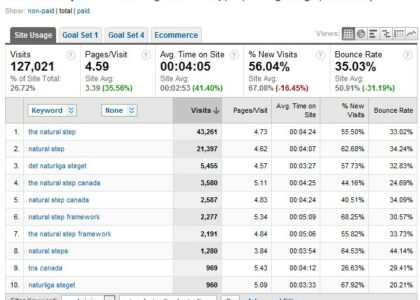
Free web traffic analysis tools provide valuable insights into how users interact with your website. By analysing metrics such as page views, unique visitors, bounce rate, and conversion rates, you can gain a deeper understanding of your audience and tailor your content and marketing strategies accordingly.
Here are some key reasons why web traffic analysis is essential for any business:
- Performance Evaluation: By tracking key metrics, you can evaluate the performance of your website and identify areas for improvement.
- Targeted Marketing: Understanding your audience’s preferences allows you to create targeted marketing campaigns that resonate with potential customers.
- Optimising User Experience: Analysing user behaviour helps you optimise your website’s design and functionality to enhance the user experience.
- ROI Measurement: By tracking conversions and other metrics, you can measure the return on investment (ROI) of your digital marketing efforts.
The Benefits of Free Web Traffic Analysis Tools
There are many free web traffic analysis tools available that provide valuable insights into your website’s performance. These tools offer features such as real-time analytics, custom reports, and goal tracking to help you make data-driven decisions for your online strategy.
Some popular free web traffic analysis tools include Google Analytics, Matomo (formerly Piwik), and Clicky. These tools allow you to track various metrics, generate reports, and gain a comprehensive view of how users interact with your website.
In Conclusion
Free web traffic analysis is an invaluable tool for businesses looking to improve their online presence and drive success in the digital landscape. By leveraging these tools and analysing key metrics, businesses can gain valuable insights into their audience’s behaviour and make informed decisions that lead to growth and increased engagement.
If you haven’t already started analysing your web traffic, now is the time to take advantage of free web traffic analysis tools and unlock the full potential of your online presence.
Essential Guide to Free Web Traffic Analysis: Key Questions Answered
- 1. What is web traffic analysis?
- 2. Why is web traffic analysis important for my website?
- 3. How can I track web traffic for free?
- 4. What are the key metrics to consider in web traffic analysis?
- 5. Which free tools can I use for analysing web traffic?
- 6. How can web traffic analysis help improve my website’s performance?
- 7. What insights can I gain from analysing web traffic data?
- 8. Are there any best practices to follow when conducting web traffic analysis?
1. What is web traffic analysis?
Web traffic analysis refers to the process of monitoring and evaluating the behaviour of visitors on a website. It involves tracking various metrics such as page views, unique visitors, bounce rates, and conversion rates to gain insights into how users interact with the site. By understanding these metrics, businesses can assess the performance of their website, identify areas for improvement, and make data-driven decisions to enhance user experience and drive growth. Web traffic analysis is essential for businesses looking to optimise their online presence and tailor their marketing strategies to better engage with their target audience.
2. Why is web traffic analysis important for my website?
Understanding the importance of web traffic analysis for your website is crucial in today’s digital landscape. By analysing web traffic, you gain valuable insights into how users interact with your website, which can help you make informed decisions to enhance its performance. Monitoring metrics such as page views, bounce rate, and conversion rates allows you to evaluate your website’s effectiveness, target your marketing efforts more effectively, optimise user experience, and measure the return on investment of your digital marketing strategies. Ultimately, web traffic analysis empowers you to tailor your online presence to better meet the needs and expectations of your audience, leading to improved engagement and success for your website.
3. How can I track web traffic for free?
Tracking web traffic for free is made easy with a variety of tools available online. One popular option is Google Analytics, a powerful and user-friendly platform that provides comprehensive insights into website visitors’ behaviour. By simply adding a small piece of tracking code to your website, you can start monitoring key metrics such as page views, bounce rate, and conversion rates. Additionally, platforms like Matomo (formerly Piwik) and Clicky offer free versions with robust features to help you understand and optimise your web traffic without incurring any costs. These tools empower website owners to make informed decisions based on data-driven analysis, ultimately enhancing their online performance and user experience.
4. What are the key metrics to consider in web traffic analysis?
When considering web traffic analysis, it is essential to focus on key metrics that provide valuable insights into the performance of a website. Some of the key metrics to consider include page views, unique visitors, bounce rate, conversion rate, average session duration, and traffic sources. Page views indicate how many times a page has been viewed by visitors, while unique visitors show the number of individual users accessing the site. The bounce rate reflects the percentage of visitors who leave the site after viewing only one page. Conversion rate measures the percentage of visitors who complete a desired action on the website. Average session duration indicates how long users spend on the site, and analysing traffic sources helps identify where visitors are coming from. By tracking these key metrics, businesses can gain valuable insights into user behaviour and make informed decisions to enhance their online performance.
5. Which free tools can I use for analysing web traffic?
When it comes to analysing web traffic for free, there are several reliable tools available that can provide valuable insights into your website’s performance. Popular options include Google Analytics, a powerful tool that offers a comprehensive range of features such as real-time analytics, audience demographics, and conversion tracking. Matomo (formerly Piwik) is another excellent choice, offering similar functionalities to Google Analytics but with the added benefit of data ownership and privacy control. Additionally, Clicky is a user-friendly alternative that provides detailed reports on visitor behaviour and engagement metrics. These free tools empower website owners to track key metrics, understand user behaviour, and make informed decisions to enhance their online presence effectively.
6. How can web traffic analysis help improve my website’s performance?
Understanding how web traffic analysis can help improve your website’s performance is crucial for achieving online success. By utilising web traffic analysis tools, you can gain valuable insights into visitor behaviour, popular content, and conversion rates. This data allows you to identify areas of improvement, optimise user experience, and tailor your marketing strategies to better meet the needs of your audience. Ultimately, web traffic analysis empowers you to make informed decisions that drive growth, increase engagement, and enhance overall website performance.
7. What insights can I gain from analysing web traffic data?
Analysing web traffic data can provide valuable insights into how users interact with your website and help you make informed decisions to improve your online performance. By examining metrics such as page views, unique visitors, bounce rate, and conversion rates, you can gain a deeper understanding of your audience’s behaviour and preferences. These insights can be used to evaluate the effectiveness of your website, tailor marketing strategies to target specific audiences, optimise user experience, and measure the return on investment (ROI) of your digital marketing efforts. Ultimately, analysing web traffic data empowers businesses to make data-driven decisions that lead to growth and increased engagement online.
8. Are there any best practices to follow when conducting web traffic analysis?
When conducting web traffic analysis, it is essential to follow certain best practices to ensure accurate and meaningful insights. Some key best practices include setting clear goals and objectives for your analysis, identifying relevant metrics that align with your business objectives, regularly monitoring and reviewing your data to track performance trends, segmenting your audience to understand different user behaviours, and using the data to make informed decisions and optimise your online strategy. By following these best practices, businesses can effectively leverage web traffic analysis to enhance their online presence and drive success in the digital landscape.