
SEO Competitor Site Analysis: Unveiling the Secrets of Success
Search Engine Optimization (SEO) is a crucial aspect of digital marketing, and understanding your competitors’ strategies can give you a competitive edge. Conducting a thorough SEO competitor site analysis can provide valuable insights into what works and what doesn’t in your industry.
Why Analyse Your Competitors’ Sites?
By analysing your competitors’ websites, you can uncover their strengths and weaknesses in terms of SEO. This information allows you to identify opportunities for improvement in your own SEO strategy and stay ahead of the competition.
Key Aspects to Consider in SEO Competitor Site Analysis:
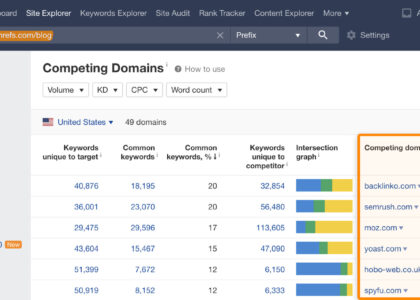
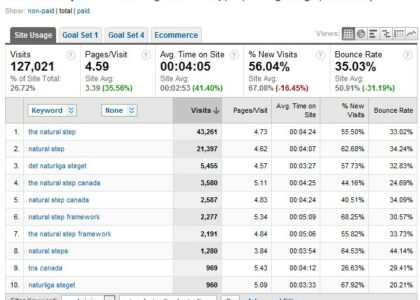
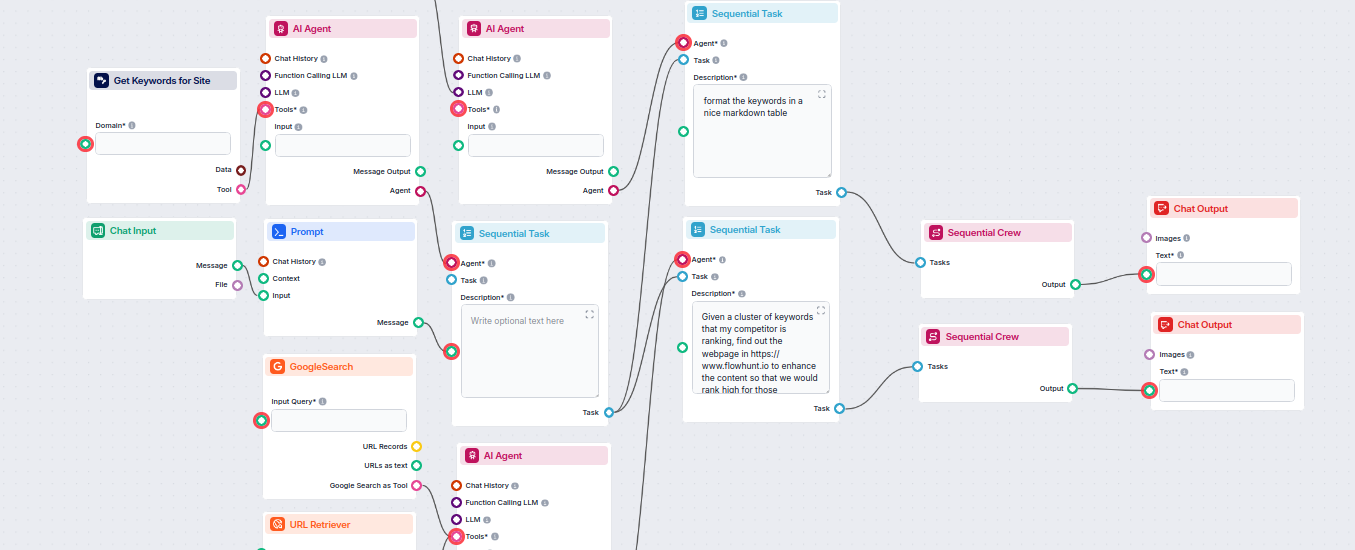
- Keywords: Identify the keywords your competitors are targeting and assess their effectiveness.
- Content Quality: Evaluate the quality and relevance of their content compared to yours.
- Backlink Profile: Analyse their backlink profile to understand where their traffic is coming from.
- User Experience: Assess how user-friendly their website is and identify areas for improvement.
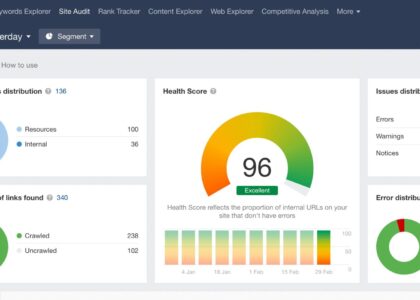
- Technical SEO: Look into technical aspects such as site speed, mobile-friendliness, and structured data markup.
The Benefits of SEO Competitor Site Analysis:
By conducting a comprehensive analysis of your competitors’ sites, you can:
- Gather valuable insights to refine your own SEO strategy
- Identify gaps in the market that you can capitalise on
- Benchmark your performance against industry leaders
- Improve your website’s visibility and ranking on search engines
In Conclusion
Analyzing your competitors’ websites for SEO insights is a strategic move that can help you enhance your online presence and drive more organic traffic to your site. By learning from their successes and failures, you can fine-tune your SEO strategy for optimal results. Stay ahead of the curve by staying informed about what works in your industry!
Essential FAQs on SEO Competitor Site Analysis: Understanding Tools, Techniques, and Insights
- How do I find my SEO keyword competitors?
- Why competitor analysis is important in SEO?
- What is the best SEO tool for competitor site analysis?
- What is competitor link analysis in SEO?
- What can we learn from SEO competitor analysis?
- How to do a competitor analysis for SEO?
- How do you analyze a competitor website?
- How do you Analyse competitors website?
How do I find my SEO keyword competitors?
To find your SEO keyword competitors, start by conducting keyword research to identify the primary keywords relevant to your industry or niche. Once you have a list of target keywords, use SEO tools such as SEMrush, Ahrefs, or Google Keyword Planner to analyse the search volume and competition level for each keyword. Next, perform a search for these keywords on search engines like Google and observe the top-ranking websites. These websites are your SEO keyword competitors. Analyse their content, backlink profiles, and overall SEO strategies to gain insights into how they are ranking for those keywords. By understanding your SEO keyword competitors, you can refine your own SEO strategy and improve your website’s visibility in search engine results.
Why competitor analysis is important in SEO?
Understanding the importance of competitor analysis in SEO is crucial for businesses looking to enhance their online visibility and drive organic traffic. By delving into the strategies employed by competitors, businesses can gain valuable insights into effective SEO practices, identify gaps in the market, and refine their own SEO strategy accordingly. Competitor analysis allows businesses to benchmark their performance against industry leaders, uncover new opportunities for growth, and stay ahead of the competition in the ever-evolving digital landscape. Ultimately, leveraging competitor analysis in SEO empowers businesses to make informed decisions that lead to improved search engine rankings and increased online presence.
What is the best SEO tool for competitor site analysis?
When it comes to conducting competitor site analysis for SEO, one of the frequently asked questions is: “What is the best SEO tool for competitor site analysis?” There are several reputable SEO tools available in the market that can assist in analysing competitors’ websites effectively. Tools like Ahrefs, SEMrush, Moz, and SpyFu are popular choices among digital marketers for their comprehensive features that provide valuable insights into competitors’ SEO strategies, keywords, backlink profiles, and more. Choosing the best SEO tool for competitor site analysis often depends on specific needs and budget constraints, but these tools offer a range of functionalities to help businesses stay competitive in the online landscape.
What is competitor link analysis in SEO?
Competitor link analysis in SEO refers to the process of examining and evaluating the backlink profile of your competitors’ websites. By delving into the links pointing to their site, you can gain valuable insights into their link-building strategies, the quality of their backlinks, and the sources driving traffic to their website. This analysis helps you understand how your competitors are acquiring links, identify potential link-building opportunities for your own site, and improve your overall SEO performance by building a strong and authoritative backlink profile. By leveraging competitor link analysis effectively, you can enhance your website’s visibility, credibility, and ranking on search engine results pages.
What can we learn from SEO competitor analysis?
Conducting SEO competitor analysis provides invaluable insights that can significantly benefit your digital marketing strategy. By analysing your competitors’ SEO tactics, you can uncover the keywords they are targeting, evaluate the effectiveness of their content, understand their backlink profile, assess user experience on their site, and delve into technical SEO aspects. This comprehensive analysis enables you to refine your own SEO strategy, identify market opportunities, benchmark your performance against industry leaders, and ultimately improve your website’s visibility and ranking on search engines. Learning from your competitors’ strategies allows you to make informed decisions and stay ahead in the competitive digital landscape.
How to do a competitor analysis for SEO?
When conducting a competitor analysis for SEO, it is essential to start by identifying your main competitors in the industry. Once you have a list of competitors, you can delve into their websites to uncover valuable insights. Focus on aspects such as their targeted keywords, content quality, backlink profile, user experience, and technical SEO elements. By comparing and contrasting these key factors with your own website’s performance, you can pinpoint areas for improvement and refine your SEO strategy accordingly. Continuous monitoring and adaptation based on competitor analysis results are crucial for staying competitive in the ever-evolving digital landscape.
How do you analyze a competitor website?
To analyse a competitor website for SEO purposes, start by identifying the keywords they are targeting and assessing their effectiveness. Evaluate the quality and relevance of their content compared to yours. Dive into their backlink profile to understand where their traffic is coming from. Assess the user experience of their website and identify areas for improvement. Look into technical aspects such as site speed, mobile-friendliness, and structured data markup. By conducting a comprehensive analysis across these key aspects, you can gain valuable insights to refine your own SEO strategy and stay ahead of the competition in the digital landscape.
How do you Analyse competitors website?
To analyse competitors’ websites for SEO insights, start by identifying the keywords they are targeting and assessing their effectiveness. Evaluate the quality and relevance of their content compared to yours. Dive into their backlink profile to understand their sources of traffic. Assess the user experience of their website and pinpoint areas for improvement. Lastly, look into technical aspects such as site speed, mobile-friendliness, and structured data markup. By conducting a thorough analysis across these key aspects, you can gain valuable insights to refine your own SEO strategy and stay ahead in the competitive digital landscape.