
The Importance of Traffic Rank & Website Analysis
Understanding your website’s traffic rank and conducting regular website analysis are crucial for assessing the performance and effectiveness of your online presence. These metrics provide valuable insights into how well your website is performing, who your audience is, and how you can improve to attract more visitors.
Traffic Rank
Your website’s traffic rank indicates its popularity relative to other sites on the internet. A lower traffic rank means that your site receives more visitors compared to others, while a higher rank suggests lower visitor numbers. Monitoring your traffic rank over time can help you track the impact of your marketing efforts, SEO strategies, and content quality.
Website Analysis
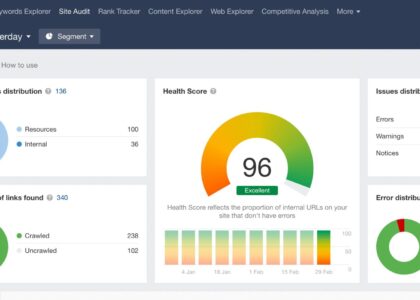
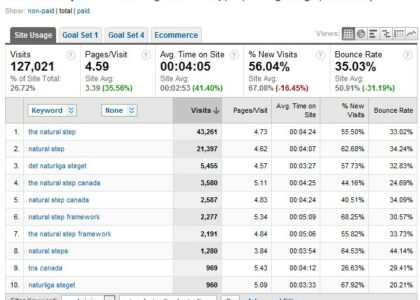
Website analysis involves evaluating various aspects of your site’s performance, including traffic sources, user demographics, bounce rates, conversion rates, and more. By analysing this data, you can identify strengths and weaknesses in your online strategy and make informed decisions to enhance user experience and drive conversions.
Key Benefits of Website Analysis:
- Identifying popular pages and content that resonate with your audience.
- Understanding user behaviour to improve site navigation and engagement.
- Optimising keywords and SEO strategies to attract organic traffic.
- Monitoring conversion rates to enhance lead generation or sales.
- Detecting technical issues that may affect site performance or user experience.
By regularly analysing your website’s performance metrics in conjunction with monitoring its traffic rank, you can gain a comprehensive understanding of how well your site is meeting its objectives. This data-driven approach empowers you to make informed decisions that drive continual improvement and growth in the competitive online landscape.
Understanding Traffic Rank and Website Analysis: Key FAQs and Insights
- What is traffic rank and why is it important for a website?
- How can I improve my website’s traffic rank?
- What tools can I use to analyse my website’s performance?
- What are the key metrics to consider in website analysis?
- How does website analysis help in improving user experience?
- Is there a correlation between traffic rank and conversion rates?
What is traffic rank and why is it important for a website?
Understanding traffic rank is essential for assessing a website’s online visibility and performance. Traffic rank refers to a website’s position relative to other sites in terms of visitor traffic. A lower traffic rank indicates higher popularity and increased visitor numbers, while a higher rank suggests the need for improvement in attracting more visitors. Monitoring traffic rank is crucial as it provides valuable insights into the effectiveness of marketing strategies, SEO efforts, and overall content quality. By tracking changes in traffic rank over time, website owners can evaluate the impact of their online presence and make informed decisions to enhance user engagement and drive growth.
How can I improve my website’s traffic rank?
To improve your website’s traffic rank, focus on implementing effective SEO strategies, creating high-quality and engaging content, and building a strong backlink profile. Optimising your website for relevant keywords, improving site speed and user experience, and promoting your content through social media and other channels can also help attract more visitors. Regularly analysing your website’s performance metrics, identifying areas for improvement, and staying updated on industry trends are essential steps in enhancing your website’s traffic rank. By consistently working towards providing value to your audience and optimising your online presence, you can gradually increase your website’s visibility and ranking in search engine results.
What tools can I use to analyse my website’s performance?
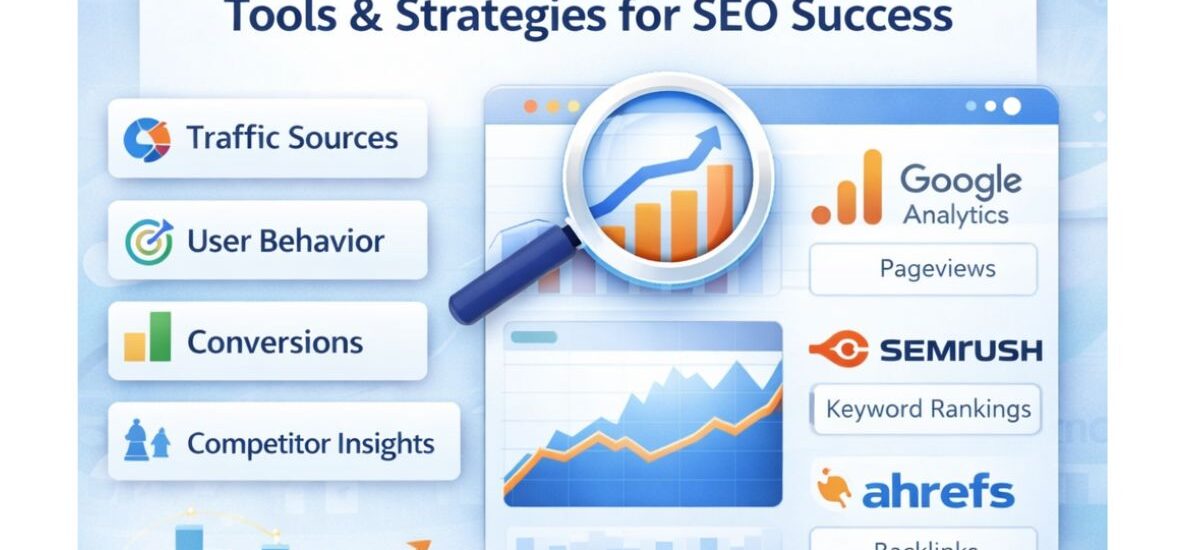
When it comes to analysing your website’s performance, there are several tools available that can provide valuable insights into various aspects of your online presence. Popular tools such as Google Analytics, SEMrush, Ahrefs, and Moz offer comprehensive features to track traffic sources, user behaviour, keyword performance, backlink analysis, and more. These tools allow you to monitor key metrics, identify areas for improvement, and make data-driven decisions to enhance your website’s effectiveness in reaching your target audience. By leveraging these analytical tools, you can gain a deeper understanding of your site’s performance and implement strategies to optimise its impact on visitors and search engines alike.
What are the key metrics to consider in website analysis?
When delving into website analysis, several key metrics play a pivotal role in evaluating the performance and effectiveness of a website. These metrics include website traffic, bounce rate, conversion rate, average session duration, pages per session, traffic sources (such as organic search, direct traffic, and referrals), top-performing pages, user demographics (age, location, device used), and exit pages. By closely monitoring these metrics and analysing the data they provide, website owners can gain valuable insights into their audience’s behaviour, identify areas for improvement, and refine their online strategies to enhance user experience and drive better results.
How does website analysis help in improving user experience?
Website analysis plays a crucial role in enhancing user experience by providing valuable insights into user behaviour, preferences, and interactions with the website. By examining metrics such as bounce rates, time spent on each page, popular content, and navigation patterns, website owners can identify areas for improvement to make the user journey more seamless and engaging. Understanding how users interact with the site allows for targeted enhancements in design, content strategy, and functionality to better meet their needs and expectations. Through website analysis, businesses can tailor their online presence to create a more intuitive and satisfying experience for visitors, ultimately leading to increased engagement, conversions, and overall satisfaction.
Is there a correlation between traffic rank and conversion rates?
Understanding the correlation between traffic rank and conversion rates is essential for optimising website performance. While a higher traffic rank may indicate greater visibility and potential for attracting visitors, it does not guarantee higher conversion rates. Conversion rates depend on various factors such as user experience, content quality, call-to-action effectiveness, and overall website design. By analysing both traffic rank and conversion rates together, businesses can identify opportunities to improve user engagement, enhance conversion pathways, and ultimately drive more valuable actions from their website visitors.