
The Importance of Speed Site Analyzer in Website Performance
In today’s digital age, the speed at which a website loads plays a crucial role in determining its success. Users expect websites to load quickly and efficiently, and search engines like Google consider site speed as a ranking factor. This is where a Speed Site Analyzer comes into play.
What is a Speed Site Analyzer?
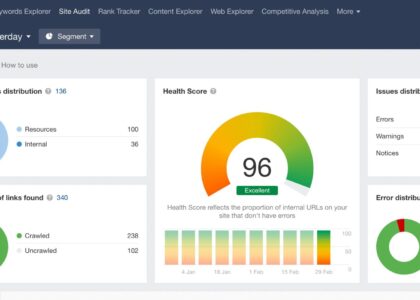
A Speed Site Analyzer is a tool that evaluates the performance of a website by analysing its loading speed, page size, and various other factors that affect user experience. It provides valuable insights into areas where improvements can be made to enhance the overall speed and performance of the site.
Why is it Important?
Fast-loading websites not only provide a better user experience but also have higher chances of ranking well in search engine results. Studies have shown that users are more likely to abandon a website if it takes too long to load, leading to increased bounce rates and decreased conversions.
Benefits of Using a Speed Site Analyzer
- Identifying Performance Issues: A Speed Site Analyzer helps pinpoint specific areas of the website that are causing slowdowns, such as large image files or excessive scripts.
- Improving User Experience: By optimising the site for speed, users will have a smoother and more enjoyable browsing experience, leading to higher engagement and retention rates.
- Boosting SEO Rankings: Search engines favour fast-loading websites, so improving site speed can positively impact your search engine rankings and visibility.
- Increasing Conversions: Faster websites tend to have higher conversion rates as users are more likely to stay on the site and complete desired actions.
Conclusion
A Speed Site Analyzer is an invaluable tool for website owners and developers looking to enhance their site’s performance. By identifying and addressing speed-related issues, you can create a faster, more efficient website that not only pleases users but also improves your online presence. Investing in regular speed analysis can help you stay ahead in the competitive online landscape.
Top 8 Tips for Enhancing Website Speed with a Site Analysis Tool
- Minimize HTTP requests by combining files
- Enable browser caching to reduce loading times for returning visitors
- Optimize images by compressing and resizing them appropriately
- Use a Content Delivery Network (CDN) to distribute content geographically
- Minify CSS, JavaScript, and HTML files to reduce file sizes
- Eliminate render-blocking resources for faster page rendering
- Enable Gzip compression to reduce the size of your website files
- Regularly monitor and optimize your site’s performance using tools like Google PageSpeed Insights
Minimize HTTP requests by combining files
Minimising HTTP requests by combining files is a highly effective tip when using a Speed Site Analyzer to enhance website performance. By consolidating multiple CSS, JavaScript, and image files into fewer, larger files, you can significantly reduce the number of requests made to the server during page load. This not only speeds up the loading time of your website but also improves overall user experience by ensuring a more seamless and efficient browsing experience. Implementing this optimisation technique can lead to a noticeable boost in site speed and performance, ultimately benefiting both your visitors and search engine rankings.
Enable browser caching to reduce loading times for returning visitors
Enabling browser caching is a highly effective tip to reduce loading times for returning visitors to a website. By storing static resources like images, CSS files, and scripts on a visitor’s browser the first time they visit the site, subsequent visits can be faster as the browser can retrieve these resources locally rather than re-downloading them from the server. This not only enhances user experience by providing quicker load times but also helps in improving website performance and overall speed, making it a valuable practice for optimising website efficiency.
Optimize images by compressing and resizing them appropriately
Optimising images by compressing and resizing them appropriately is a crucial tip when using a Speed Site Analyzer. Large image files can significantly slow down website loading times, leading to a poor user experience and potentially lower search engine rankings. By compressing and resizing images to the optimal size without compromising quality, website owners can improve site speed, reduce bandwidth usage, and enhance overall performance. This simple yet effective technique can have a significant impact on the speed and efficiency of a website, ultimately benefiting both users and site owners alike.
Use a Content Delivery Network (CDN) to distribute content geographically
When utilising a Speed Site Analyzer, a valuable tip is to incorporate a Content Delivery Network (CDN) for geographically distributing content. By leveraging a CDN, website owners can enhance their site’s loading speed by storing and delivering content from servers located closer to the user’s geographical location. This strategic approach not only reduces latency but also improves overall user experience, ultimately leading to higher engagement and satisfaction levels.
Minify CSS, JavaScript, and HTML files to reduce file sizes
Minifying CSS, JavaScript, and HTML files is a crucial tip recommended by Speed Site Analyzers to improve website performance. By removing unnecessary characters, whitespace, and comments from these files, their sizes are significantly reduced. This reduction in file sizes helps to speed up the loading time of web pages, enhancing user experience and potentially boosting search engine rankings. Minifying these files not only improves site speed but also contributes to overall website efficiency and performance.
Eliminate render-blocking resources for faster page rendering
When using a Speed Site Analyzer, one crucial tip to improve website performance is to eliminate render-blocking resources. These resources, such as CSS and JavaScript files, can delay the rendering of a web page, leading to slower loading times. By addressing and optimising these render-blocking resources, websites can achieve faster page rendering, resulting in a smoother user experience and potentially higher search engine rankings.
Enable Gzip compression to reduce the size of your website files
Enabling Gzip compression is a highly effective tip when using a Speed Site Analyzer to improve website performance. By compressing your website files, such as HTML, CSS, and JavaScript, you can significantly reduce their size before they are sent to the user’s browser. This results in faster loading times and reduced bandwidth usage, ultimately enhancing the overall speed and efficiency of your website. Gzip compression is a simple yet powerful technique that can make a substantial difference in user experience and search engine rankings.
Regularly monitor and optimize your site’s performance using tools like Google PageSpeed Insights
Regularly monitoring and optimising your site’s performance is essential for maintaining a fast and efficient website. Tools such as Google PageSpeed Insights offer valuable insights into areas where improvements can be made to enhance loading speed and overall user experience. By utilising these tools and implementing their recommendations, website owners can ensure that their site remains competitive in terms of speed, user engagement, and search engine rankings. Consistent monitoring and optimisation are key to keeping up with the ever-evolving digital landscape and meeting the expectations of today’s online users.