
The Importance of Keyword Research, Competitive Analysis, and Website Ranking
When it comes to establishing a strong online presence and driving organic traffic to your website, keyword research, competitive analysis, and website ranking play crucial roles. These three factors are interconnected and can significantly impact your digital marketing strategy. Let’s delve into each aspect to understand their importance.
Keyword Research
Keyword research forms the foundation of any successful SEO strategy. By identifying relevant keywords that your target audience is searching for, you can optimise your website content to rank higher in search engine results pages (SERPs). Effective keyword research involves understanding search intent, competition levels, and search volume to target the right keywords that will drive quality traffic to your site.
Competitive Analysis
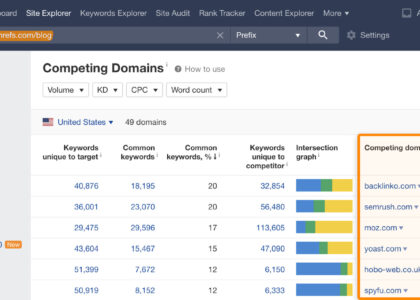
Conducting a competitive analysis allows you to gain insights into your competitors’ strategies and performance in the online landscape. By evaluating their keyword usage, content quality, backlink profiles, and overall SEO tactics, you can identify opportunities for improvement and differentiation. Understanding what works for your competitors can help you refine your own strategy and stay ahead in the competitive digital space.
Website Ranking
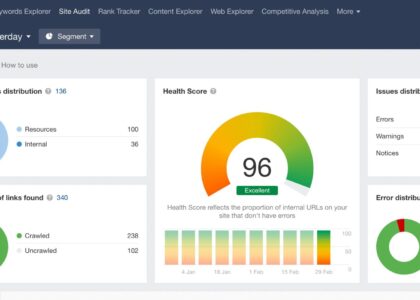
Your website’s ranking on search engines directly impacts its visibility and traffic. Search engines use complex algorithms to determine the relevance and authority of web pages based on various factors such as keywords, backlinks, user experience, and content quality. By implementing effective SEO practices informed by keyword research and competitive analysis, you can improve your website’s ranking position and attract more organic traffic.
Conclusion
In conclusion, keyword research, competitive analysis, and website ranking are essential components of a successful digital marketing strategy. By investing time and resources into these areas, you can enhance your online visibility, attract targeted traffic, and outperform competitors in the ever-evolving digital landscape. Remember that continuous monitoring and adaptation are key to staying ahead in the dynamic world of SEO.
Essential FAQs on Keyword Research, Competitive Analysis, and Website Ranking
- What is keyword research and why is it important for SEO?
- How can competitive analysis help improve my website’s performance?
- What factors influence website ranking on search engines?
- What tools can I use for conducting keyword research and competitive analysis?
- How often should I update my keyword strategy and competitive analysis?
- What are the common challenges faced in implementing effective keyword research and competitive analysis?
What is keyword research and why is it important for SEO?
Keyword research is the process of identifying and analysing specific words and phrases that users enter into search engines. These keywords are crucial for SEO as they determine how well a website ranks in search engine results pages. By conducting thorough keyword research, website owners can understand what their target audience is searching for and tailor their content to match those queries. Choosing the right keywords can significantly impact a website’s visibility, traffic, and overall success in attracting relevant visitors. In essence, keyword research is the foundation of effective SEO strategies, helping websites reach their desired audience and improve their search engine rankings.
How can competitive analysis help improve my website’s performance?
Competitive analysis plays a crucial role in improving your website’s performance by providing valuable insights into your competitors’ strategies and performance metrics. By conducting a thorough assessment of their keyword usage, content quality, backlink profiles, and overall SEO tactics, you can identify strengths and weaknesses in comparison to your own website. This information allows you to refine your SEO strategy, uncover new opportunities for growth, and differentiate your brand in the competitive online landscape. Leveraging competitive analysis effectively can help you make informed decisions to enhance your website’s visibility, attract more organic traffic, and ultimately improve its overall performance in search engine rankings.
What factors influence website ranking on search engines?
When it comes to website ranking on search engines, several key factors influence a site’s position in search results. Factors such as relevant keyword usage, high-quality and engaging content, backlink quality and quantity, website loading speed, mobile-friendliness, user experience, and overall website authority all play crucial roles in determining a website’s ranking. Search engines like Google continuously update their algorithms to provide users with the most relevant and valuable results, making it essential for website owners to stay informed about these factors and implement effective SEO strategies to improve their ranking position. By focusing on these influencing factors through comprehensive keyword research and competitive analysis, website owners can enhance their online visibility and attract organic traffic to their site.
What tools can I use for conducting keyword research and competitive analysis?
When it comes to conducting keyword research and competitive analysis, there are several tools available to assist you in gaining valuable insights and making informed decisions. For keyword research, popular tools such as Google Keyword Planner, SEMrush, Ahrefs, and Moz Keyword Explorer can help you identify relevant keywords, search volumes, and competition levels. These tools provide data-driven recommendations to optimise your website content for better search engine visibility. In terms of competitive analysis, tools like SEMrush, SpyFu, and SimilarWeb offer comprehensive insights into your competitors’ strategies, keyword usage, backlink profiles, and overall performance. By leveraging these tools effectively, you can refine your SEO strategy and improve your website’s ranking position in the competitive online landscape.
How often should I update my keyword strategy and competitive analysis?
Regularly updating your keyword strategy and conducting competitive analysis are vital for maintaining a strong online presence and improving website ranking. The frequency of updates will depend on various factors, such as industry trends, algorithm changes, and competitor activity. As a general guideline, it is recommended to review and adjust your keyword strategy and competitive analysis at least quarterly to stay relevant and competitive in the ever-changing digital landscape. By staying proactive and responsive to shifts in search behaviour and market dynamics, you can ensure that your SEO efforts remain effective and aligned with your business goals.
What are the common challenges faced in implementing effective keyword research and competitive analysis?
Implementing effective keyword research and competitive analysis can present several challenges for digital marketers and website owners. One common challenge is the dynamic nature of search engine algorithms, which constantly evolve, making it crucial to stay updated with the latest trends and changes. Additionally, identifying relevant keywords that align with user intent while balancing competition levels can be a complex task. Moreover, conducting in-depth competitive analysis requires time and resources to gather and analyse data accurately. Ensuring the accuracy of data sources and interpreting insights correctly are also key challenges faced in leveraging keyword research and competitive analysis to improve website ranking and overall digital marketing performance.