

The Importance of Checking Your Website SEO Score
In today’s digital age, having a strong online presence is crucial for the success of any business. Search Engine Optimization (SEO) plays a key role in helping your website rank higher in search engine results, driving more organic traffic and potential customers to your site. One way to assess the effectiveness of your SEO efforts is by checking your website’s SEO score.
What is an SEO Score?
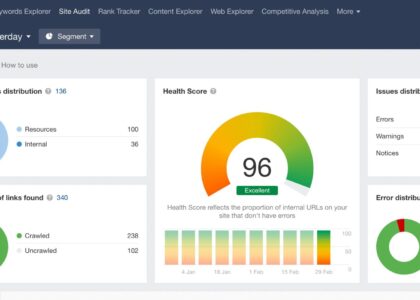
An SEO score is a numerical representation of how well your website is optimized for search engines. It takes into account various factors such as keyword usage, backlinks, site speed, mobile-friendliness, and overall user experience. A higher SEO score indicates that your website is more likely to appear higher in search results, making it easier for users to find you online.
Why Check Your Website SEO Score?
Checking your website’s SEO score provides valuable insights into areas that may need improvement. By identifying weaknesses in your current SEO strategy, you can make informed decisions on how to enhance your website’s visibility and reach a wider audience. Regularly monitoring your SEO score allows you to track progress over time and adjust strategies accordingly.
How to Check Your Website SEO Score
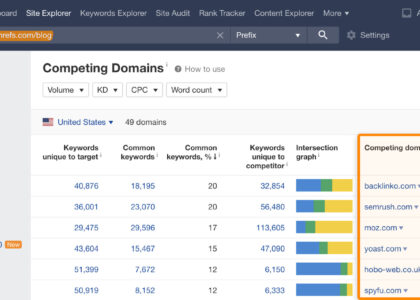
There are various online tools and resources available that can help you assess your website’s SEO performance. These tools typically analyse different aspects of your site and provide a comprehensive report detailing strengths and weaknesses. Some popular tools include SEMrush, Moz, Ahrefs, and Google’s own Search Console.
Improving Your Website’s SEO Score
Once you have identified areas for improvement through checking your website’s SEO score, it’s essential to take action to enhance your site’s optimization. This may involve updating content with relevant keywords, improving site speed, fixing broken links, enhancing mobile responsiveness, and building quality backlinks from reputable sources.
Conclusion
Regularly checking your website’s SEO score is essential for maintaining a competitive edge in the online landscape. By understanding where improvements can be made and taking proactive steps to enhance your site’s optimization, you can attract more visitors, increase conversions, and ultimately grow your business online.
Top 7 Benefits of Checking Your Website’s SEO Score
- Identifies areas for improvement in SEO strategy
- Helps increase website visibility in search engine results
- Allows tracking of SEO progress over time
- Enables informed decision-making for SEO enhancements
- Assists in reaching a wider online audience
- Provides insights into keyword usage and backlink quality
- Enhances overall user experience on the website
Understanding the Limitations: Six Drawbacks of Relying on Website SEO Scores
- 1. Over-reliance on numerical scores may oversimplify the complexity of SEO strategies.
- 2. Some SEO score tools may provide conflicting or inaccurate results, leading to confusion.
- 3. Constantly checking SEO scores can be time-consuming and distract from other important tasks.
- 4. Relying solely on SEO scores may neglect qualitative aspects of website performance and user experience.
- 5. Frequent changes in search engine algorithms can make SEO scores fluctuate, causing unnecessary concern.
- 6. Obsessing over SEO scores may lead to a narrow focus on rankings rather than holistic digital marketing strategies.
Identifies areas for improvement in SEO strategy
Checking your website’s SEO score is invaluable as it helps identify areas for improvement in your SEO strategy. By analysing key metrics such as keyword usage, backlinks, site speed, and user experience, you can pinpoint specific aspects of your website that may need attention. This proactive approach enables you to make targeted enhancements to your SEO efforts, ultimately boosting your website’s visibility and ranking on search engine results pages. Regularly assessing your SEO score empowers you to refine and optimise your strategy, ensuring that your online presence continues to attract organic traffic and potential customers effectively.
Helps increase website visibility in search engine results
Checking your website’s SEO score is a valuable practice as it helps increase your website’s visibility in search engine results. By assessing and improving key SEO factors such as keyword usage, backlinks, and site performance, you can enhance your website’s ranking on search engine results pages. A higher SEO score indicates to search engines that your website is relevant and authoritative, making it more likely to be displayed to users searching for related content. Ultimately, by regularly monitoring and improving your SEO score, you can boost your website’s visibility online and attract more organic traffic to your site.
Allows tracking of SEO progress over time
Monitoring your website’s SEO score allows you to track the progress of your search engine optimization efforts over time. By regularly checking and comparing your SEO scores, you can gauge the effectiveness of the strategies implemented and identify trends in performance. This tracking enables you to measure the impact of changes made to your website and SEO practices, helping you make informed decisions on future optimisation tactics to further enhance your online visibility and ranking in search results.
Enables informed decision-making for SEO enhancements
Checking your website’s SEO score enables informed decision-making for SEO enhancements. By assessing the strengths and weaknesses of your current SEO strategy, you can identify areas that require improvement and take targeted actions to enhance your website’s visibility and search engine ranking. This data-driven approach allows you to prioritise efforts effectively, focus on key areas for optimisation, and ultimately drive better results in attracting organic traffic and reaching your target audience online.
Assists in reaching a wider online audience
Checking your website’s SEO score is a valuable practice as it helps in reaching a wider online audience. By assessing and improving your website’s search engine optimisation, you can increase its visibility in search results, making it easier for potential customers to discover your site. A higher SEO score means that your website is more likely to rank higher for relevant keywords, attracting more organic traffic and expanding your reach to a broader audience online.
Provides insights into keyword usage and backlink quality
Checking your website’s SEO score offers valuable insights into keyword usage and backlink quality, two crucial factors that impact your site’s visibility and ranking on search engines. By analysing the keywords present on your website and assessing the quality of backlinks pointing to your site, you can gain a deeper understanding of how well your content aligns with user search queries and how authoritative your site is perceived to be by search engines. This information allows you to make strategic adjustments to improve keyword targeting and acquire high-quality backlinks, ultimately enhancing your website’s SEO performance and driving more organic traffic to your site.
Enhances overall user experience on the website
Checking your website’s SEO score can significantly enhance the overall user experience on the website. By ensuring that your site is optimised for search engines, you are also making it more user-friendly and easier to navigate for visitors. A higher SEO score often means that the website loads faster, contains relevant and valuable content, and is structured in a way that is intuitive for users. This improved user experience can lead to increased engagement, lower bounce rates, and ultimately, higher conversions as visitors are more likely to find what they are looking for quickly and easily.
1. Over-reliance on numerical scores may oversimplify the complexity of SEO strategies.
Over-reliance on numerical scores when checking your website’s SEO performance may oversimplify the intricate nature of SEO strategies. While numerical scores can provide a quick overview of your site’s optimisation level, they may not capture the full complexity and nuances of effective SEO practices. SEO involves a combination of technical expertise, content quality, user experience, and ongoing analysis, which cannot be fully encapsulated in a single score. Relying solely on numerical metrics may lead to overlooking crucial qualitative aspects that contribute to long-term SEO success. It is important to supplement numerical scores with in-depth analysis and a holistic understanding of SEO principles to develop a comprehensive and effective optimisation strategy for your website.
2. Some SEO score tools may provide conflicting or inaccurate results, leading to confusion.
Some SEO score tools may present a conundrum by offering conflicting or inaccurate results, which can cause confusion for website owners. Inconsistencies in the data provided by these tools may lead to uncertainty about the actual performance of the website in terms of SEO. This can make it challenging for users to determine which aspects of their site need improvement and which strategies to implement for enhancing search engine visibility. Consequently, relying solely on potentially unreliable SEO score tools may hinder effective decision-making and impede progress towards achieving optimal search engine rankings.
3. Constantly checking SEO scores can be time-consuming and distract from other important tasks.
Constantly checking SEO scores can become a time-consuming activity that may divert attention from other critical tasks essential for the overall success of a business. Focusing excessively on monitoring SEO scores can lead to a disproportionate allocation of resources and time, potentially taking away from core business activities such as product development, customer engagement, or strategic planning. It is important to strike a balance between evaluating SEO performance and dedicating efforts to various aspects of running a successful business to ensure sustainable growth and productivity.
4. Relying solely on SEO scores may neglect qualitative aspects of website performance and user experience.
Relying solely on SEO scores to evaluate website performance may overlook crucial qualitative aspects and user experience. While SEO metrics provide valuable insights into technical aspects like keyword usage and backlinks, they do not capture the overall user experience or the quality of content on the site. Neglecting qualitative factors such as website design, navigation, readability, and relevance to the target audience can result in a disconnect between what search engines value and what users find valuable. It is essential to strike a balance between SEO optimisation and prioritising user-centric elements to create a holistic online presence that resonates with visitors and drives meaningful engagement.
5. Frequent changes in search engine algorithms can make SEO scores fluctuate, causing unnecessary concern.
Frequent changes in search engine algorithms can present a significant con when checking your website SEO score. These algorithm updates can lead to fluctuations in SEO scores, causing unnecessary concern and confusion for website owners. As search engines adjust their ranking criteria, what may have been considered a high SEO score one day could suddenly drop due to algorithm changes, even if no significant changes were made to the website itself. This inconsistency can create challenges in accurately assessing the effectiveness of SEO strategies and may result in undue stress for website owners striving to maintain or improve their online visibility.
6. Obsessing over SEO scores may lead to a narrow focus on rankings rather than holistic digital marketing strategies.
Obsessing over SEO scores may lead to a narrow focus on rankings rather than holistic digital marketing strategies. While it is important to monitor and improve SEO performance, solely fixating on SEO scores can result in overlooking other crucial aspects of digital marketing, such as content quality, user experience, social media engagement, and overall brand visibility. A myopic emphasis on rankings may limit the effectiveness of a comprehensive digital marketing approach that takes into account the diverse elements necessary for long-term success in the online landscape.