
How to Analyse Your Website SEO
Search Engine Optimization (SEO) is crucial for improving your website’s visibility and ranking on search engine results pages. By analysing your website’s SEO performance, you can identify areas for improvement and implement strategies to enhance your online presence. Here are some steps to help you analyse your website’s SEO:
Conduct a Website Audit
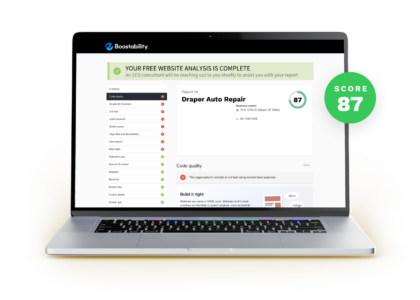
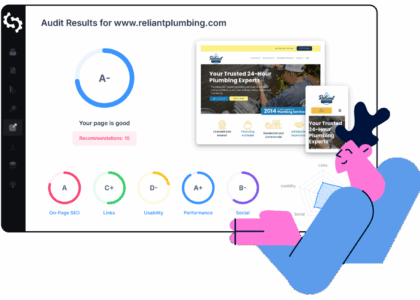
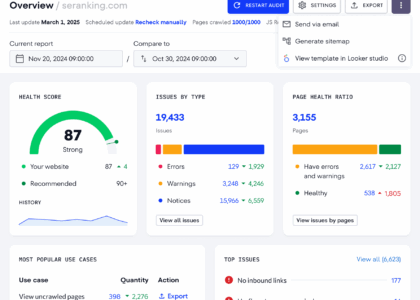
Start by conducting a comprehensive audit of your website. Use tools like Google Search Console, SEMrush, or Moz to identify technical issues, broken links, and keyword performance.
Analyse Keywords
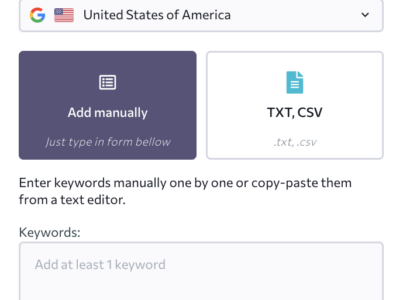
Review the keywords used in your website content and meta tags. Ensure they are relevant to your business and have sufficient search volume. Use keyword research tools to discover new keyword opportunities.
Check On-Page Optimisation
Assess the on-page elements of your website, including title tags, meta descriptions, headers, and image alt text. Optimise these elements with relevant keywords to improve search engine visibility.
Evaluate Backlinks
Analyse your website’s backlink profile to determine the quality and quantity of inbound links. Focus on acquiring high-quality backlinks from reputable websites to boost your SEO rankings.
Monitor Website Performance
Track key performance indicators such as organic traffic, bounce rate, and average session duration. Use analytics tools like Google Analytics to measure the impact of your SEO efforts.
Implement Technical SEO Fixes
Address technical issues such as site speed, mobile-friendliness, and schema markup to improve user experience and search engine rankings.
Top 5 FAQs on Analysing Your Website’s SEO Performance
- How can I analyse my website’s SEO performance?
- What tools can I use to conduct a website SEO audit?
- Why is keyword analysis important for SEO?
- How do backlinks impact my website’s SEO?
- What are the key metrics to monitor when analysing website SEO?
How can I analyse my website’s SEO performance?
To analyse your website’s SEO performance, start by conducting a comprehensive website audit using tools like Google Search Console, SEMrush, or Moz. Evaluate your keyword strategy to ensure relevance and search volume. Check and optimise on-page elements such as title tags and meta descriptions with targeted keywords. Assess your backlink profile for quality and quantity of inbound links. Monitor key performance indicators like organic traffic and user engagement metrics using tools like Google Analytics. Implement technical SEO fixes to enhance site speed, mobile-friendliness, and schema markup. Regularly reviewing these aspects will help you improve your website’s visibility in search engine results and attract more organic traffic.
What tools can I use to conduct a website SEO audit?
When it comes to conducting a comprehensive website SEO audit, there are several tools available to help you analyse and improve your online presence. Popular tools like Google Search Console, SEMrush, and Moz offer valuable insights into technical issues, keyword performance, backlink profiles, and overall website health. These tools provide detailed reports and recommendations that can guide your SEO strategy and help you identify areas for enhancement. By utilising these tools effectively, you can gain a deeper understanding of your website’s SEO performance and take proactive steps to boost your search engine rankings.
Why is keyword analysis important for SEO?
Keyword analysis is vital for SEO because it helps websites target the right audience and improve their search engine rankings. By identifying relevant keywords that users are searching for, websites can optimise their content to match these queries, increasing the chances of appearing in search results. Effective keyword analysis also allows websites to understand user intent and tailor their content to meet those needs, ultimately driving more organic traffic to the site. Choosing the right keywords can significantly impact a website’s visibility and online success, making keyword analysis a fundamental aspect of any SEO strategy.
How do backlinks impact my website’s SEO?
Backlinks play a significant role in influencing a website’s SEO performance. These incoming links from external websites act as signals of credibility and authority to search engines, indicating that your site is a valuable resource. Quality backlinks from reputable websites can boost your website’s visibility and ranking in search engine results pages. They help search engines understand the relevance and trustworthiness of your content, ultimately contributing to improved organic traffic and higher search engine rankings. However, it is essential to focus on acquiring high-quality backlinks rather than quantity, as spammy or irrelevant links can have a negative impact on your SEO efforts. Regularly monitoring and maintaining a healthy backlink profile is crucial for enhancing your website’s SEO success.
What are the key metrics to monitor when analysing website SEO?
When analysing website SEO, it is essential to monitor key metrics to gauge the effectiveness of your strategies and track performance. Some of the crucial metrics to pay attention to include organic traffic, keyword rankings, backlink quality and quantity, bounce rate, page load speed, click-through rate (CTR), conversion rate, and overall website visibility on search engine results pages (SERPs). By regularly monitoring these metrics, you can identify areas for improvement, measure the impact of your SEO efforts, and make data-driven decisions to enhance your website’s search engine optimisation.