
The Power of Web Analytics Analysis
Web analytics analysis is a critical component of any successful online presence. By harnessing the power of data, businesses can gain valuable insights into their website performance, user behaviour, and marketing strategies.
Understanding User Behaviour
Web analytics tools allow businesses to track and analyse user behaviour on their websites. By monitoring metrics such as page views, bounce rates, and session durations, companies can understand how users interact with their site. This insight enables businesses to make informed decisions to improve user experience and drive conversions.
Optimising Marketing Strategies
Web analytics analysis provides invaluable data on the effectiveness of marketing campaigns. By tracking metrics like traffic sources, click-through rates, and conversion rates, businesses can evaluate the performance of different marketing channels. This information allows companies to allocate resources effectively and optimise their marketing strategies for maximum impact.
Measuring Website Performance
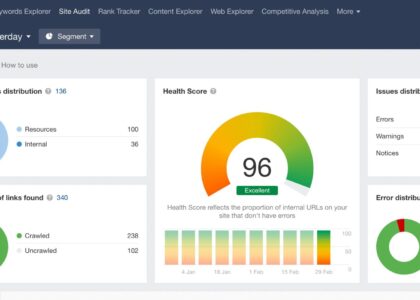
Monitoring key performance indicators (KPIs) through web analytics analysis helps businesses assess the overall health of their website. Metrics such as page load times, error rates, and mobile responsiveness provide insights into website performance. By identifying areas for improvement, companies can enhance site speed, usability, and overall user satisfaction.
Driving Business Growth
Ultimately, web analytics analysis empowers businesses to make data-driven decisions that drive growth and success. By leveraging insights from web analytics tools, companies can refine their online presence, target audiences more effectively, and achieve their business goals. In today’s digital age, harnessing the power of web analytics analysis is essential for staying competitive in the online marketplace.
In conclusion, web analytics analysis is a powerful tool that provides businesses with valuable insights to enhance user experience, optimise marketing strategies, measure website performance, and drive business growth. By leveraging data-driven decision-making processes through web analytics analysis, companies can stay ahead in the fast-paced world of online business.
7 Essential Tips for Effective Web Analytics Analysis
- Define your key performance indicators (KPIs) to measure success.
- Set up goals and events to track user interactions on your website.
- Use segmentation to analyse different groups of website visitors.
- Monitor traffic sources to understand where your visitors are coming from.
- Analyse bounce rates to improve the effectiveness of your landing pages.
- Track conversion rates to evaluate the success of your marketing campaigns.
- Regularly review and interpret data to make informed decisions for website improvements.
Define your key performance indicators (KPIs) to measure success.
To ensure the effectiveness of your web analytics analysis, it is crucial to define your key performance indicators (KPIs) that align with your business objectives. By establishing clear KPIs, such as conversion rates, page views, or bounce rates, you can measure the success of your website and marketing efforts accurately. These metrics provide valuable insights into user behaviour and allow you to track progress towards your goals. Defining KPIs is essential for making informed decisions based on data-driven analysis and ultimately improving the overall performance of your online presence.
Set up goals and events to track user interactions on your website.
Setting up goals and events to track user interactions on your website is a crucial tip in web analytics analysis. By defining specific goals, such as completing a purchase or signing up for a newsletter, businesses can measure the effectiveness of their website in driving desired actions. Events tracking allows companies to monitor user interactions, such as clicks on buttons or video views, providing valuable insights into user behaviour. By implementing these tracking mechanisms, businesses can gain a deeper understanding of how users engage with their site and make informed decisions to enhance the overall user experience and achieve their objectives.
Use segmentation to analyse different groups of website visitors.
Using segmentation to analyse different groups of website visitors is a valuable tip in web analytics analysis. By categorising visitors based on various criteria such as demographics, behaviour, or source of traffic, businesses can gain deeper insights into the preferences and actions of specific audience segments. This approach allows companies to tailor their marketing strategies, content, and user experience to better meet the needs and expectations of different visitor groups. By understanding the unique characteristics and behaviours of segmented audiences, businesses can optimise their website performance and drive more targeted and effective engagement.
Monitor traffic sources to understand where your visitors are coming from.
Monitoring traffic sources is a crucial tip in web analytics analysis as it provides valuable insights into where your website visitors are originating from. By tracking and analysing the different channels driving traffic to your site, such as organic search, social media, or referral links, businesses can better understand their audience’s behaviour and preferences. This information enables companies to tailor their marketing strategies effectively, allocate resources efficiently, and optimise their online presence to target specific audiences for improved engagement and conversions.
Analyse bounce rates to improve the effectiveness of your landing pages.
Analysing bounce rates is a crucial tip in web analytics analysis to enhance the effectiveness of your landing pages. By closely examining the bounce rates, which indicate the percentage of visitors who leave a website after viewing only one page, businesses can gain valuable insights into user engagement and page relevance. A high bounce rate may suggest that the landing page is not meeting visitor expectations or lacks compelling content. By identifying and addressing factors contributing to high bounce rates, such as slow loading times or unclear call-to-action buttons, businesses can optimise their landing pages to improve user retention and ultimately drive conversions.
Track conversion rates to evaluate the success of your marketing campaigns.
Tracking conversion rates is a crucial aspect of web analytics analysis as it allows businesses to measure the effectiveness of their marketing campaigns. By monitoring how many website visitors take desired actions, such as making a purchase or signing up for a newsletter, companies can evaluate the impact of their marketing efforts. Understanding conversion rates provides valuable insights into which campaigns are driving the most significant results and helps businesses allocate resources more efficiently to maximise their return on investment.
Regularly review and interpret data to make informed decisions for website improvements.
Regularly reviewing and interpreting data is crucial when it comes to web analytics analysis. By consistently analysing the data collected from website metrics, businesses can gain valuable insights into user behaviour, trends, and performance indicators. This information empowers companies to make informed decisions for website improvements, such as enhancing user experience, refining marketing strategies, and identifying areas for optimisation. By staying proactive in data analysis and leveraging these insights effectively, businesses can continuously evolve their online presence to meet the needs of their target audience and drive success in the digital landscape.