
The Power of On-Page SEO Tools: Enhancing Your Website’s Performance
Search Engine Optimization (SEO) is a crucial element in ensuring your website ranks well on search engine results pages. While off-page SEO strategies are important, on-page SEO plays a significant role in optimising your website for search engines. One of the key components of on-page SEO is the use of specialised tools that help you analyse and improve various aspects of your website’s content and structure.
What Are On-Page SEO Tools?
On-page SEO tools are software applications or online platforms designed to assist website owners and marketers in improving their on-page SEO performance. These tools provide valuable insights into factors such as keyword usage, meta tags, heading structure, internal linking, and overall content quality.
The Benefits of Using On-Page SEO Tools
By utilising on-page SEO tools, you can gain a deeper understanding of how well your website is optimised for search engines. These tools can help you identify areas for improvement, track keyword rankings, analyse backlinks, and monitor the overall health of your website. By implementing the recommendations provided by these tools, you can enhance your website’s visibility and attract more organic traffic.
Key Features of On-Page SEO Tools
On-page SEO tools offer a range of features to help you fine-tune your website for better search engine performance. Some common features include:
- Keyword analysis and suggestions
- Meta tag optimisation
- Content quality assessment
- Internal linking suggestions
- Competitor analysis
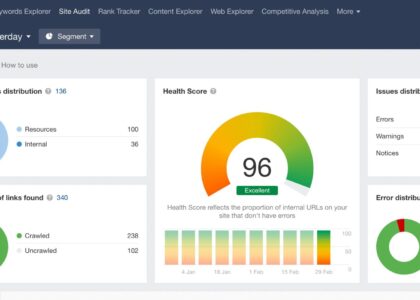
- Site audit reports
Choosing the Right On-Page SEO Tool
With numerous on-page SEO tools available in the market, it’s essential to select one that best suits your needs and budget. Consider factors such as ease of use, reporting capabilities, customer support, and integration with other digital marketing tools when choosing an on-page SEO tool for your website.
In Conclusion
On-page SEO tools are invaluable resources that can help you enhance your website’s performance in search engine rankings. By leveraging these tools to optimise your content and structure according to best practices, you can increase your chances of ranking higher in search results and attracting more organic traffic to your site.
If you’re serious about improving your website’s visibility and driving organic traffic, investing in a reliable on-page SEO tool is a wise decision that can yield long-term benefits for your online presence.
40 Frequently Asked Questions About On-Page SEO Tools and Best Practices
- Which is example of on-page SEO?
- What is on-page and off-page SEO tools?
- How do I check my onpage SEO?
- What is on page SEO example?
- What are the tools of on page SEO?
- What is on-page SEO tools?
- How do you do onsite SEO?
- What are top 10 on-page SEO factors?
- What is on-page SEO *?
- What is on page SEO tool?
- What is off-page SEO with example?
- What are the 4 types of SEO?
- What are the 4 main techniques of off-page SEO?
- Which is an on page SEO practice?
- Which tool is used for on page SEO?
- What is on page SEO tools?
- What is off page SEO with example?
- How do you do SEO on pages?
- What is the 80/20 rule in SEO?
- What are top 10 on page SEO factors?
- What is an on page SEO?
- What is Google SEO tools?
- What is on-page analysis?
- Which is the best SEO tool?
- How do you do on-page SEO analysis?
- What is on page SEO with example?
- What is the on-page SEO tool?
- Which is the best free SEO tool?
- Which tool is perfect for on-page SEO?
- What are the 7 types of SEO?
- What are two examples of on page SEO?
- What is on page and off-page SEO tools?
- How can I practice on page SEO?
- What is type of on-page SEO?
- What is on page SEO best practices?
- What is the on-page SEO technique?
- How to do an on page SEO analysis?
- Which tool is perfect for on page SEO?
- How can I do SEO on my page?
- How do you do on page SEO analysis?
Which is example of on-page SEO?
An example of on-page SEO is optimising meta tags on a webpage. Meta tags, such as meta titles and meta descriptions, provide search engines with information about the content of a page. By strategically incorporating relevant keywords into these meta tags and ensuring they accurately reflect the page’s content, website owners can improve their chances of ranking higher in search engine results for specific queries. This practice not only enhances the visibility of the webpage but also helps search engines understand the context and relevance of the content to better match it with user search intent.
What is on-page and off-page SEO tools?
On-page and off-page SEO tools are essential components of a comprehensive search engine optimisation strategy. On-page SEO tools focus on optimising elements within your website, such as content, meta tags, and internal linking structure, to improve its visibility and ranking on search engine results pages. These tools help website owners analyse and enhance the on-site factors that influence search engine rankings. In contrast, off-page SEO tools are used to manage external factors that impact your website’s authority and credibility, such as backlinks and social signals. By utilising a combination of on-page and off-page SEO tools effectively, businesses can enhance their online presence and attract more organic traffic to their websites.
How do I check my onpage SEO?
To check your on-page SEO, you can use various tools and techniques to assess the optimisation of your website’s content and structure. Start by conducting a comprehensive site audit to identify any issues that may be affecting your SEO performance. Pay attention to factors such as keyword usage, meta tags, heading structure, internal linking, and overall content quality. Utilise on-page SEO tools that provide insights and recommendations for improvement based on best practices. Regularly monitor your website’s performance metrics, such as keyword rankings and organic traffic, to gauge the effectiveness of your on-page SEO efforts. By consistently evaluating and refining your on-page SEO strategy, you can enhance your website’s visibility and attract more organic traffic from search engines.
What is on page SEO example?
An example of on-page SEO is optimising the meta tags of a webpage. Meta tags, such as the title tag and meta description, play a crucial role in informing search engines about the content of a webpage. By strategically incorporating relevant keywords into these meta tags and ensuring they accurately reflect the page’s content, website owners can improve their chances of ranking higher in search engine results for specific queries. This on-page SEO practice helps search engines understand the context and relevance of a webpage, ultimately leading to increased visibility and organic traffic for the website.
What are the tools of on page SEO?
When it comes to on-page SEO, there is a range of tools available to assist website owners and marketers in optimising their online presence. These tools typically include features such as keyword analysis, meta tag optimisation, content quality assessment, internal linking suggestions, competitor analysis, and site audit reports. By leveraging these on-page SEO tools effectively, website owners can gain valuable insights into their website’s performance and make informed decisions to improve their search engine rankings and attract more organic traffic.
What is on-page SEO tools?
On-page SEO tools are specialised software applications or online platforms that assist website owners and marketers in enhancing their on-page SEO performance. These tools are designed to analyse various aspects of a website’s content and structure, providing valuable insights into factors such as keyword usage, meta tags, heading structure, internal linking, and overall content quality. By utilising on-page SEO tools, users can identify areas for improvement, track keyword rankings, analyse backlinks, and monitor the overall health of their website. Ultimately, these tools help in optimising websites for search engines to improve visibility and attract more organic traffic.
How do you do onsite SEO?
On-site SEO, also known as on-page SEO, involves optimising various elements within your website to improve its visibility and ranking on search engine results pages. To do onsite SEO effectively, you need to focus on several key factors. This includes conducting keyword research to identify relevant terms and phrases for your content, optimising meta tags such as title tags and meta descriptions, creating high-quality and engaging content that incorporates these keywords naturally, ensuring proper heading structure with H1, H2, and H3 tags, implementing internal linking strategies to enhance site navigation and user experience, and regularly monitoring and updating your website for optimal performance. By paying attention to these on-site SEO practices, you can enhance your website’s search engine visibility and attract more organic traffic.
What are top 10 on-page SEO factors?
When it comes to on-page SEO, understanding the key factors that influence search engine rankings is essential for optimising your website effectively. The top 10 on-page SEO factors include keyword placement and density, high-quality and relevant content, meta tags (title, description, and headers), URL structure, internal linking, mobile-friendliness, page speed, image optimization, user experience (UX) design, and social sharing integration. By focusing on these critical elements and ensuring they are optimised according to best practices, you can improve your website’s visibility and ranking on search engine results pages.
What is on-page SEO *?
On-page SEO refers to the practice of optimising individual web pages to improve their search engine rankings and attract organic traffic. It involves various strategies such as using relevant keywords, creating high-quality content, optimising meta tags, headers, and images, improving site speed and user experience, and implementing internal linking. By focusing on on-page SEO techniques, website owners can make their content more visible to search engines like Google, ultimately increasing the likelihood of their pages ranking higher in search results and driving more organic traffic to their site.
What is on page SEO tool?
An on-page SEO tool is a software application or online platform that assists website owners and marketers in enhancing their on-page SEO performance. These tools are specifically designed to analyse and improve various aspects of a website’s content and structure, such as keyword usage, meta tags, heading structure, internal linking, and overall content quality. By utilising an on-page SEO tool, users can gain valuable insights into how well their website is optimised for search engines and receive recommendations on how to make necessary improvements to increase visibility and attract more organic traffic.
What is off-page SEO with example?
Off-page SEO refers to the actions taken outside of your website that can impact its search engine rankings. This includes building backlinks from other reputable websites, social media engagement, and online mentions. An example of off-page SEO is when a popular industry blog links to your website in one of their articles. This backlink acts as a vote of confidence in the eyes of search engines, indicating that your site is trustworthy and relevant. Off-page SEO plays a crucial role in improving your website’s authority and visibility in search engine results pages.
What are the 4 types of SEO?
When it comes to Search Engine Optimization (SEO), there are four primary types that encompass different aspects of digital marketing strategies. The four types of SEO include on-page SEO, off-page SEO, technical SEO, and local SEO. On-page SEO focuses on optimising individual web pages to improve search engine rankings and user experience. Off-page SEO involves external factors like backlinks and social signals that influence a website’s authority and credibility. Technical SEO deals with the backend elements of a website, such as site speed, mobile-friendliness, and structured data markup. Local SEO targets geographically specific searches to enhance visibility for businesses in local markets. Each type of SEO plays a crucial role in enhancing a website’s online presence and attracting organic traffic from search engines.
What are the 4 main techniques of off-page SEO?
Off-page SEO encompasses strategies that focus on improving a website’s authority and relevance through external factors. The four main techniques of off-page SEO include link building, social media marketing, influencer outreach, and online reputation management. Link building involves acquiring high-quality backlinks from reputable websites to boost a site’s credibility in the eyes of search engines. Social media marketing leverages social platforms to increase brand visibility and engagement, driving traffic back to the website. Influencer outreach involves collaborating with influential individuals to promote content and generate buzz around a brand. Online reputation management focuses on monitoring and enhancing a website’s online presence to build trust with users and search engines alike. These techniques work in tandem with on-page SEO efforts to improve a website’s overall search engine performance and visibility.
Which is an on page SEO practice?
An essential on-page SEO practice is optimising meta tags, such as title tags and meta descriptions, to accurately reflect the content of a webpage. Meta tags provide search engines with valuable information about the page’s topic and help improve its visibility in search results. By incorporating relevant keywords in meta tags and ensuring they are concise and compelling, website owners can enhance their on-page SEO efforts and increase the likelihood of attracting organic traffic to their site.
Which tool is used for on page SEO?
When it comes to on-page SEO, various tools can be used to enhance the optimisation of a website’s content and structure. One popular tool frequently used for on-page SEO is Yoast SEO. Yoast SEO is a WordPress plugin that offers features such as content analysis, meta tag optimisation, readability checks, and internal linking suggestions to help users improve their on-page SEO efforts. Additionally, other tools like SEMrush, Moz Pro, and Ahrefs provide comprehensive on-page SEO functionalities that assist in keyword research, competitor analysis, and site audits to boost website visibility and search engine rankings. Ultimately, the choice of which tool to use for on-page SEO depends on individual preferences, requirements, and budget constraints.
What is on page SEO tools?
On-page SEO tools refer to software applications or online platforms specifically designed to assist website owners and marketers in enhancing their on-page SEO performance. These tools play a crucial role in analysing and improving various aspects of a website’s content and structure, such as keyword usage, meta tags, heading structure, internal linking, and overall content quality. By utilising on-page SEO tools, users can gain valuable insights into how well their websites are optimised for search engines and identify areas for improvement to increase visibility and attract more organic traffic.
What is off page SEO with example?
Off-page SEO refers to the strategies and activities that take place outside of your website but have an impact on its search engine rankings. This includes building backlinks from reputable websites, social media engagement, influencer partnerships, and online mentions. A prime example of off-page SEO is when a popular industry blog links to your website in one of their articles, signalling to search engines that your site is a credible source of information. These external factors play a crucial role in determining your website’s authority and relevance in the eyes of search engines, ultimately influencing its ranking position in search results.
How do you do SEO on pages?
Optimising pages for search engines involves a strategic approach known as on-page SEO. To effectively do SEO on pages, it is essential to focus on several key elements. Firstly, thorough keyword research is crucial to identify relevant terms and phrases that your target audience is likely to use in search queries. Incorporating these keywords naturally into your page’s content, meta tags, and headings helps search engines understand the context of your content. Additionally, optimising meta tags such as title tags and meta descriptions, ensuring proper heading structure, improving internal linking, and enhancing overall content quality are all vital components of successful on-page SEO efforts. By following best practices and utilising on-page SEO tools to analyse and enhance these elements, you can improve your website’s visibility and attract more organic traffic from search engines.
What is the 80/20 rule in SEO?
The 80/20 rule in SEO, also known as the Pareto Principle, suggests that roughly 80% of your results come from 20% of your efforts. In the context of on-page SEO tools, this principle implies that focusing on key areas that have the most significant impact on your website’s search engine performance can yield substantial results. By prioritising tasks such as keyword optimisation, quality content creation, and effective meta tag implementation – which make up a small percentage of overall SEO efforts – you can maximise the effectiveness of your on-page SEO strategy and achieve notable improvements in your website’s visibility and ranking on search engine results pages.
What are top 10 on page SEO factors?
When it comes to on-page SEO, understanding the top 10 factors that influence search engine rankings is crucial for optimising your website’s performance. These factors include keyword placement and density, meta tags (such as title tags and meta descriptions), high-quality and relevant content, URL structure, internal linking, mobile-friendliness, page speed, image optimization, user experience (UX) design, and the use of schema markup. By focusing on these key on-page SEO factors and implementing best practices for each, you can improve your website’s visibility and relevance in search engine results pages.
What is an on page SEO?
On-page SEO refers to the practice of optimizing individual web pages to improve their search engine rankings and attract more organic traffic. It involves various techniques such as keyword research, meta tag optimization, content creation, internal linking, and ensuring a user-friendly website structure. By focusing on on-page SEO, website owners can enhance the relevance and quality of their content for both users and search engines. Ultimately, effective on-page SEO helps websites rank higher in search engine results pages (SERPs) and drive more targeted traffic to their site.
What is Google SEO tools?
Google SEO tools refer to a set of free and paid tools provided by Google to help website owners and marketers improve their search engine optimisation efforts. These tools include Google Search Console, which offers insights into how Google perceives your website, identifies indexing issues, and provides data on search traffic. Another essential tool is Google Analytics, which helps track website traffic, user behaviour, and conversions. Additionally, Google Keyword Planner assists in keyword research and identifying relevant search terms for targeting. By utilising these Google SEO tools effectively, website owners can enhance their on-page SEO strategies and improve their website’s visibility in search engine results pages.
What is on-page analysis?
On-page analysis is a critical aspect of Search Engine Optimization (SEO) that focuses on evaluating and improving various elements within a webpage to enhance its visibility and ranking on search engine results pages. This process involves examining factors such as keyword usage, meta tags, content quality, internal linking structure, and overall user experience. By conducting thorough on-page analysis, website owners can identify areas for improvement and implement strategies to optimise their content for better search engine performance. The insights gained from on-page analysis help in creating more relevant and engaging webpages that are likely to rank higher in search results and attract organic traffic effectively.
Which is the best SEO tool?
When it comes to determining the best SEO tool, the answer may vary depending on individual needs and preferences. There is a wide range of SEO tools available in the market, each offering unique features and capabilities. Some popular options include SEMrush, Ahrefs, Moz Pro, and Google Search Console. The best SEO tool for you will depend on factors such as your budget, specific requirements, level of expertise, and the size of your website. It’s essential to research and compare different tools to find the one that aligns most closely with your goals and objectives for improving your website’s search engine performance through on-page SEO strategies.
How do you do on-page SEO analysis?
Performing on-page SEO analysis involves a systematic evaluation of various aspects of a website’s content and structure to ensure optimal search engine visibility. To conduct an effective on-page SEO analysis, start by examining key elements such as meta tags, headings, keyword usage, internal linking, and overall content quality. Utilise on-page SEO tools to identify areas for improvement and generate actionable insights. Conduct thorough keyword research to target relevant terms that align with your content strategy. Regularly monitor and assess your website’s performance metrics to track progress and make necessary adjustments to enhance your on-page SEO efforts. By following a comprehensive approach to on-page SEO analysis, you can improve your website’s search engine rankings and attract more organic traffic.
What is on page SEO with example?
On-page SEO refers to the practice of optimising individual web pages to improve their search engine rankings and attract more organic traffic. This involves various strategies such as keyword research, meta tag optimisation, content creation, and internal linking. For example, if a website selling organic skincare products wants to improve its on-page SEO for a specific product page on “Vitamin C Serum,” they would conduct keyword research to identify relevant terms like “best vitamin C serum,” optimise the meta title and description with these keywords, create high-quality content detailing the benefits of the product, and incorporate internal links to related pages within the website. By implementing these on-page SEO techniques effectively, the website can increase its visibility in search engine results for users searching for vitamin C serums.
What is the on-page SEO tool?
An on-page SEO tool is a software application or online platform specifically designed to assist website owners and marketers in enhancing their on-page SEO performance. These tools are essential for analysing and improving various aspects of a website’s content and structure, including keyword usage, meta tags, heading structure, internal linking, and overall content quality. By utilising an on-page SEO tool, users can gain valuable insights into how well their website is optimised for search engines and receive recommendations to boost visibility and attract more organic traffic.
Which is the best free SEO tool?
When it comes to identifying the best free SEO tool, there are several options available that cater to different aspects of search engine optimisation. One popular choice among website owners and marketers is Google Search Console. This tool provides valuable insights into how Google views your site, identifies indexing issues, and offers suggestions for improving your website’s visibility in search results. Another widely used free SEO tool is Yoast SEO, a WordPress plugin that helps users optimise their content for search engines by providing real-time feedback and recommendations. Ultimately, the best free SEO tool for you will depend on your specific needs and goals in enhancing your on-page SEO performance.
Which tool is perfect for on-page SEO?
When it comes to selecting the perfect tool for on-page SEO, there is no one-size-fits-all answer. The ideal tool for on-page SEO will depend on various factors, including the specific needs of your website, your level of expertise in SEO, and your budget constraints. It’s essential to evaluate different tools based on their features, usability, reporting capabilities, customer support, and compatibility with your existing digital marketing tools. By conducting thorough research and testing out different options, you can identify the tool that best aligns with your requirements and helps you achieve optimal results in enhancing your website’s on-page SEO performance.
What are the 7 types of SEO?
When it comes to Search Engine Optimization (SEO), there are seven main types that encompass different aspects of digital marketing strategies. These include on-page SEO, off-page SEO, technical SEO, local SEO, mobile SEO, e-commerce SEO, and voice search SEO. Each type focuses on specific elements to improve a website’s visibility and ranking on search engine results pages. On-page SEO tools play a crucial role in optimising content and structure within a website to align with best practices and enhance its performance in search engine rankings. By utilising these tools effectively, website owners can improve their online presence and attract more organic traffic.
What are two examples of on page SEO?
Two fundamental examples of on-page SEO techniques include optimising meta tags and creating high-quality, relevant content. Meta tags, such as title tags and meta descriptions, play a crucial role in informing search engines about the content of a web page. By strategically incorporating relevant keywords into these tags, website owners can improve their visibility in search engine results. Additionally, creating informative and engaging content that aligns with user intent not only enhances the user experience but also signals to search engines that the website is a valuable resource. These on-page SEO practices are essential for improving search engine rankings and driving organic traffic to websites.
What is on page and off-page SEO tools?
On-page and off-page SEO tools are essential components of a comprehensive search engine optimization strategy. On-page SEO tools focus on optimizing individual web pages to improve their search engine rankings. These tools help website owners analyse and enhance factors such as keyword usage, meta tags, content quality, and internal linking within the website itself. In contrast, off-page SEO tools are used to improve a website’s authority and reputation across the internet. These tools typically involve strategies such as link building, social media marketing, and online PR to increase the website’s visibility and credibility in the eyes of search engines. By leveraging both on-page and off-page SEO tools effectively, website owners can enhance their online presence and attract more organic traffic to their sites.
How can I practice on page SEO?
To practice on-page SEO effectively, start by conducting keyword research to identify relevant keywords for your content. Optimise your meta tags, including title tags and meta descriptions, with these keywords. Create high-quality, valuable content that is well-structured and easy to read, incorporating your target keywords naturally throughout. Utilise heading tags (H1, H2, etc.) to organise your content and improve readability. Ensure proper internal linking within your website to enhance navigation and user experience. Regularly monitor and analyse your website’s performance using on-page SEO tools to make data-driven decisions for continuous improvement. By following these practices consistently, you can strengthen your on-page SEO strategy and boost your website’s visibility in search engine results.
What is type of on-page SEO?
When it comes to on-page SEO, there are various types that focus on different aspects of website optimisation. Some common types of on-page SEO include keyword optimisation, meta tag optimisation, content quality improvement, internal linking strategies, and mobile responsiveness enhancement. Each type plays a crucial role in ensuring that a website is well-optimised for search engines, ultimately leading to better visibility and higher rankings in search results. By implementing a comprehensive on-page SEO strategy that incorporates these different types, website owners can effectively enhance their online presence and attract more organic traffic.
What is on page SEO best practices?
On-page SEO best practices encompass a set of guidelines and strategies aimed at optimising individual web pages to improve their search engine visibility and ranking. Key elements of on-page SEO best practices include the strategic use of relevant keywords in titles, headings, meta descriptions, and throughout the content, ensuring a logical and well-structured website architecture with clear navigation, creating high-quality and engaging content that meets the needs of users, optimising images with descriptive alt text tags, and implementing internal linking to enhance website coherence. By adhering to these best practices, website owners can enhance their on-page SEO efforts and increase the likelihood of their pages ranking higher in search engine results.
What is the on-page SEO technique?
On-page SEO technique refers to the practice of optimising individual web pages to improve their search engine rankings and attract more organic traffic. This technique involves focusing on various aspects of a webpage, such as content quality, keyword usage, meta tags, heading structure, internal linking, and overall user experience. By implementing on-page SEO best practices, website owners can make their content more relevant and valuable to both search engines and users. This helps search engines understand the context of the page better and ultimately leads to higher visibility and better ranking in search results.
How to do an on page SEO analysis?
Performing an on-page SEO analysis involves a systematic evaluation of various elements on a website to determine its search engine optimisation effectiveness. To conduct a comprehensive on-page SEO analysis, start by examining key factors such as keyword usage, meta tags, heading structure, internal linking, and content quality. Utilise on-page SEO tools to generate reports and insights that highlight areas for improvement. Analyse your website’s performance against industry best practices and competitor benchmarks to identify opportunities for enhancement. By conducting a thorough on-page SEO analysis, you can fine-tune your website’s content and structure to boost its visibility and ranking on search engine results pages.
Which tool is perfect for on page SEO?
When it comes to selecting the perfect tool for on-page SEO, there is no one-size-fits-all answer. The ideal tool for on-page SEO will depend on your specific needs, budget, and level of expertise. Some popular choices among digital marketers and website owners include SEMrush, Ahrefs, Moz Pro, and Yoast SEO. These tools offer a range of features such as keyword analysis, content optimisation suggestions, site audit reports, and more. To determine which tool is perfect for your on-page SEO requirements, it’s essential to consider factors like user-friendliness, reporting capabilities, customer support, and integration with other digital marketing platforms. Conducting thorough research and possibly trying out free trials can help you identify the tool that best aligns with your SEO goals and strategies.
How can I do SEO on my page?
To effectively perform SEO on your page, start by conducting keyword research to identify relevant and high-ranking keywords for your content. Optimise your meta tags, including title tags and meta descriptions, with these keywords. Ensure your content is high-quality, engaging, and relevant to both users and search engines. Utilise heading tags (H1, H2, etc.) to structure your content logically and include internal links to other relevant pages on your site. Pay attention to image alt text and URL structure for further optimisation. Regularly monitor your page’s performance using on-page SEO tools to track keyword rankings, analyse backlinks, and make necessary adjustments for continuous improvement in search engine visibility.
How do you do on page SEO analysis?
Performing on-page SEO analysis involves a comprehensive evaluation of various elements on a website to ensure optimal search engine visibility and ranking. To conduct an effective on-page SEO analysis, start by assessing the website’s content quality, keyword usage, meta tags, heading structure, internal linking, and overall site performance. Utilise on-page SEO tools to identify areas for improvement and generate actionable insights. Analyse competitor strategies to gain valuable insights and refine your own approach. Regularly monitor and track keyword rankings, backlinks, and site health metrics to make informed decisions for enhancing your on-page SEO strategy. By following these steps and leveraging the right tools, you can conduct a thorough on-page SEO analysis that drives improved search engine performance for your website.