
The Importance of Using a Website Checker
In today’s digital age, having a strong online presence is essential for businesses to succeed. A well-designed website not only attracts potential customers but also improves search engine rankings and overall user experience. However, maintaining a website can be challenging, especially when it comes to ensuring that it is error-free and optimised for performance.
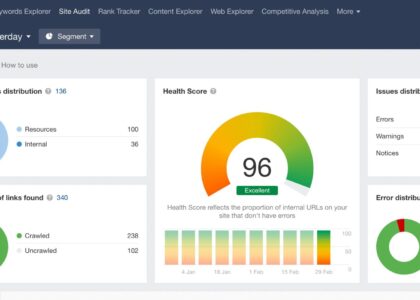
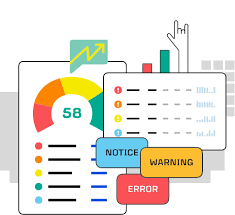
This is where a website checker comes in handy. A website checker is a tool that scans your website for various issues such as broken links, missing meta tags, slow loading times, and more. By using a website checker regularly, you can identify and fix these issues before they negatively impact your site’s performance.
One of the key benefits of using a website checker is that it helps improve your website’s SEO (Search Engine Optimisation). Search engines like Google favour websites that are well-maintained and free of errors. By addressing issues highlighted by the website checker, you can boost your site’s visibility in search engine results pages and attract more organic traffic.
Additionally, a website checker can help enhance the overall user experience of your site visitors. By identifying and fixing broken links or slow-loading pages, you can ensure that users have a seamless browsing experience on your site. This, in turn, can lead to higher engagement rates and increased conversions.
Furthermore, using a website checker can save you time and effort by automating the process of identifying errors on your site. Instead of manually checking each page for issues, you can use a website checker to quickly pinpoint areas that need attention and take appropriate action.
In conclusion, incorporating a website checker into your regular maintenance routine is crucial for ensuring that your website remains error-free, optimised for performance, and user-friendly. By leveraging the power of this tool, you can stay ahead of the competition and provide an exceptional online experience for your visitors.
Essential FAQs About Using a Website Checker in the UK
- How do I check a website online?
- How to check a website is legit?
- How do I look up a website?
- How to check if a website is secure?
- What is the best website safety checker?
- How do you check a website?
- How do I check out a website?
- What is the best website checker?
- How do I check if a website is legit?
- How do I verify a website online?
- How can you check if a website is legit?
- How do you check if a URL is safe?
- How can I check where a website is for free?
- How can I test a website for free?
- Is this website safe to buy from?
- How do I use website checker?
- What does a website checker do?
- How can I check if a URL is safe?
- Is there a way to check if a website is legit?
- How can I check website information online?
- Can I check any website traffic?
How do I check a website online?
To check a website online, you can use various website checker tools available on the internet. Simply visit a reputable website checker tool’s website, enter the URL of the website you want to check, and initiate the scanning process. The tool will then analyse the website for issues such as broken links, missing meta tags, slow loading times, and more. Once the scan is complete, the tool will provide you with a detailed report highlighting any issues found on the website. By following the recommendations provided by the website checker tool, you can improve your website’s performance and user experience effectively.
How to check a website is legit?
When it comes to verifying the legitimacy of a website, there are several key factors to consider. Firstly, check the website’s URL to ensure it matches the official domain of the company or organisation it claims to represent. Look for secure connections indicated by “https://” in the URL and a padlock icon in the browser bar, which signify encrypted communication. Additionally, review the website’s content, contact information, and customer reviews to assess its credibility. Be wary of websites that request sensitive information or prompt unexpected downloads. Utilising online tools like website checkers can also help identify potential red flags such as malware or phishing attempts. By conducting thorough checks and staying vigilant, you can better determine if a website is legitimate and safe to interact with.
How do I look up a website?
To look up a website, simply open a web browser on your device and type the URL of the website you want to visit into the address bar. Press Enter, and the browser will take you to the requested website. Alternatively, you can use a search engine by typing keywords related to the website or its content into the search bar. The search engine will display relevant results, including links to the website you are looking for. Click on the link to access the website directly. Looking up a website is a straightforward process that allows you to navigate and explore different online resources easily.
How to check if a website is secure?
To check if a website is secure, there are several key indicators to look out for. Firstly, ensure that the website URL begins with “https://” instead of just “http://”. The “s” stands for secure and indicates that the site has an SSL certificate, encrypting data transmitted between the user’s browser and the website server. Look for a padlock icon in the address bar, which also signifies a secure connection. Additionally, be cautious of any security warnings or alerts displayed by your browser when visiting the site. Checking for a valid SSL certificate, encrypted connections, and recognisable security indicators can help verify the security of a website before sharing any sensitive information.
What is the best website safety checker?
When it comes to ensuring the safety and security of your website, one frequently asked question is, “What is the best website safety checker?” The answer to this question can vary depending on your specific needs and requirements. There are several reputable website safety checkers available that offer a range of features such as malware scanning, vulnerability detection, SSL certificate monitoring, and more. It’s essential to research and compare different options to find a website safety checker that aligns with your security goals and provides comprehensive protection for your online platform.
How do you check a website?
To check a website, you can use a website checker tool that scans the site for various issues such as broken links, missing meta tags, slow loading times, and more. Simply input the URL of the website you want to check into the website checker tool, and it will analyse the site’s performance and highlight any potential issues that need attention. By regularly using a website checker, you can ensure that your website is error-free, optimised for search engines, and provides a seamless user experience for visitors.
How do I check out a website?
To check out a website, you can use a website checker tool that scans the site for various issues such as broken links, missing meta tags, and slow loading times. Simply enter the URL of the website into the website checker tool, and it will analyse the site’s performance and highlight any areas that need attention. By using a website checker, you can ensure that the website is error-free, optimised for search engines, and provides a seamless user experience.
What is the best website checker?
When it comes to determining the best website checker, it ultimately depends on your specific needs and requirements. There are various website checker tools available in the market, each offering different features and capabilities. Some popular options include SEMrush, Moz Pro, Ahrefs, and Screaming Frog. These tools provide comprehensive website analysis, including SEO audits, backlink analysis, keyword research, and more. To find the best website checker for your needs, consider factors such as your budget, the size of your website, the level of detail you require in reports, and any specific features that are important to you. Conducting thorough research and testing out different tools can help you identify the website checker that aligns best with your goals.
How do I check if a website is legit?
When determining the legitimacy of a website, there are several key factors to consider. Firstly, check the website’s URL to ensure it matches the official domain of the company or organisation it claims to represent. Look for secure connections indicated by “https://” and a padlock icon in the address bar, which signify encrypted communication. Verify the website’s contact information, such as a physical address and phone number, to establish credibility. Additionally, read customer reviews and check for trust seals or certifications from reputable organisations. Exercise caution with websites that request sensitive information or offer deals that seem too good to be true. By scrutinising these aspects and using your judgement, you can better assess the legitimacy of a website before engaging with it.
How do I verify a website online?
Verifying a website online involves confirming its authenticity and ownership. To verify a website, you can use various methods such as checking the domain registration details, looking for SSL certificates, and examining the site’s content for accuracy and relevance. Additionally, tools like WHOIS lookup services can provide information about the website’s owner and registration history. By conducting thorough checks and assessments, you can ensure that the website is legitimate and trustworthy before engaging with its content or services.
How can you check if a website is legit?
To determine if a website is legitimate, there are several factors to consider. Firstly, check the website’s URL for any misspellings or unusual characters, as scammers often create fake websites with similar addresses to reputable ones. Look for contact information such as a physical address and phone number, and verify their authenticity. Additionally, review the website’s content for grammatical errors or inconsistencies, which can be red flags. Research the company online and read reviews from other users to gauge their reputation. Finally, ensure that the website is secure by looking for a padlock symbol in the address bar and using secure payment methods when making transactions. By being vigilant and conducting thorough checks, you can better assess the legitimacy of a website before engaging with it.
How do you check if a URL is safe?
When it comes to determining the safety of a URL, there are several methods you can use to check for potential risks. One common approach is to utilise online tools such as website checkers or security scanners that can analyse the URL for malicious content, phishing attempts, or malware. These tools typically scan the website’s reputation, SSL certificate validity, and presence on blacklists to assess its safety level. Additionally, you can look out for indicators like HTTPS encryption, secure payment gateways, and trustworthy domain extensions to gauge the legitimacy of a URL. By combining these strategies and staying vigilant, you can better protect yourself from potential online threats and ensure a safer browsing experience.
How can I check where a website is for free?
When looking to determine the location of a website for free, there are several online tools available that can provide this information. By using a website checker service or a domain lookup tool, you can easily find out the geographical location of a website’s server. These tools typically display details such as the country where the server is located, the hosting provider, and other relevant information about the website’s infrastructure. Checking a website’s location can be useful for various reasons, such as understanding its target audience or assessing its hosting performance from different regions around the world.
How can I test a website for free?
Testing a website for free can be easily done by using online tools known as website checkers. These tools are designed to scan your website for various issues such as broken links, missing meta tags, slow loading times, and more. By simply entering your website’s URL into a website checker, you can quickly generate a report highlighting any potential issues that need to be addressed. This allows you to identify areas for improvement and ensure that your website is performing optimally without any cost involved.
Is this website safe to buy from?
Inquiring about the safety of a website before making a purchase is a common concern among online shoppers. By using a website checker, you can assess the security and trustworthiness of a site to determine if it is safe to buy from. The website checker can scan for security vulnerabilities, SSL encryption, trust seals, and customer reviews to provide valuable insights into the reliability of the website. Taking this precaution can help ensure a secure online shopping experience and protect your personal information from potential risks.
How do I use website checker?
To use a website checker effectively, start by entering your website’s URL into the designated field on the tool’s interface. The website checker will then scan your site for various issues such as broken links, missing meta tags, slow loading times, and more. Once the scan is complete, review the detailed report provided by the website checker to identify any areas that need attention. Take proactive steps to address the highlighted issues by following the tool’s recommendations or seeking further assistance if needed. Regularly using a website checker can help you maintain a healthy and optimised website that enhances user experience and boosts search engine rankings.
What does a website checker do?
A website checker is a valuable tool that serves to scan and analyse websites for various issues and errors. It performs a comprehensive assessment of the website’s structure, content, performance, and SEO elements. By using a website checker, users can identify broken links, missing meta tags, slow loading pages, accessibility issues, and more. This tool helps website owners and developers ensure that their websites are error-free, optimised for search engines, and offer a seamless user experience. Ultimately, a website checker plays a crucial role in maintaining the health and effectiveness of a website in today’s digital landscape.
How can I check if a URL is safe?
Ensuring the safety of a URL is paramount in today’s digital landscape, where cyber threats are prevalent. To check if a URL is safe, you can use various online tools and services designed to scan and analyse the security of websites. These tools typically check for indicators such as SSL certificates, malware presence, phishing risks, and overall reputation. By running a URL through a reliable website checker that focuses on security assessments, you can gain valuable insights into the safety of the website and make informed decisions about visiting or interacting with it. It is important to remain vigilant and proactive in verifying the safety of URLs to protect yourself from potential online threats.
Is there a way to check if a website is legit?
When it comes to verifying the legitimacy of a website, using a website checker can be a valuable tool. Website checkers can analyse various aspects of a site, such as its domain age, SSL certificate status, and overall reputation. By examining these factors, users can gain insights into whether a website is trustworthy or potentially suspicious. Additionally, looking for customer reviews, checking for contact information and company details, and verifying secure payment options are other ways to assess the legitimacy of a website. While website checkers provide useful information, it’s essential to combine multiple verification methods to make an informed decision about the credibility of a website.
How can I check website information online?
To check website information online, you can use various tools and services known as website checkers. These online resources allow you to analyse different aspects of a website, such as its performance, SEO ranking, security vulnerabilities, and more. By simply entering the URL of the website you want to check, these tools provide detailed reports and insights into its overall health and effectiveness. Utilising a website checker is a convenient and efficient way to gather valuable data about any website and make informed decisions for improvement or optimisation.
Can I check any website traffic?
When it comes to using a website checker to assess website traffic, it’s important to note that most website checkers do not provide real-time or accurate data on the traffic of any website. Website checkers typically focus on analysing various aspects of a website’s performance, such as SEO, speed, and technical issues, rather than providing detailed insights into traffic metrics. For monitoring and analysing website traffic effectively, it is recommended to use specialised analytics tools like Google Analytics or other web analytics platforms that offer comprehensive data on visitor behaviour, sources of traffic, and more.