
The Power of SEO and Web Analytics
Search Engine Optimization (SEO) and Web Analytics are two essential tools for any website looking to increase its online presence, attract more visitors, and convert them into customers. Let’s delve into how these strategies can work together to drive success.
SEO: Enhancing Visibility
SEO involves optimising your website’s content, structure, and performance to rank higher in search engine results. By incorporating relevant keywords, creating high-quality content, and improving user experience, you can attract organic traffic from search engines like Google.
Web Analytics: Understanding User Behaviour
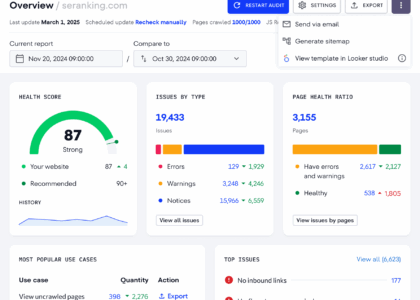
Web Analytics tools provide valuable insights into how users interact with your website. By tracking metrics such as page views, bounce rates, and conversion rates, you can understand user behaviour, identify areas for improvement, and make data-driven decisions to enhance the overall user experience.
The Synergy Between SEO and Web Analytics
When combined effectively, SEO and Web Analytics can amplify your digital marketing efforts. By analysing keyword performance, monitoring traffic sources, and tracking user engagement metrics, you can refine your SEO strategy based on real-time data insights.
Optimising Performance Through Data
Web Analytics allows you to measure the impact of your SEO efforts accurately. By analysing conversion funnels, identifying top-performing pages, and monitoring user interactions, you can optimise your website for better visibility and increased conversions.
Continuous Improvement for Success
Both SEO and Web Analytics require continuous monitoring and adjustment to stay ahead in the competitive online landscape. By leveraging data-driven insights from Web Analytics tools to refine your SEO strategy iteratively, you can drive sustainable growth and achieve long-term success.
In conclusion, the synergy between SEO and Web Analytics is a powerful combination that can propel your website towards greater visibility, engagement, and conversions. By harnessing the power of data-driven decision-making and strategic optimisation techniques, you can unlock the full potential of your online presence.
Essential FAQs on SEO and Web Analytics: Understanding Strategies, Metrics, and User Experience
- What is SEO and how does it work?
- Why is SEO important for a website?
- How can I improve my website’s SEO ranking?
- What are the key metrics to track in web analytics?
- How do web analytics tools help businesses make informed decisions?
- What is the difference between on-page and off-page SEO?
- How can I use keyword research to enhance my SEO strategy?
- What role does user experience (UX) play in both SEO and web analytics?
What is SEO and how does it work?
Search Engine Optimization (SEO) is a digital marketing strategy aimed at improving a website’s visibility and ranking on search engine results pages. SEO involves various techniques, such as keyword research, content optimisation, and link building, to enhance a website’s relevance and authority in the eyes of search engines like Google. By aligning website content with user intent and search engine algorithms, SEO helps websites attract organic traffic and reach their target audience effectively. Ultimately, SEO works by making websites more accessible, user-friendly, and valuable to both users and search engines, leading to increased online visibility and better chances of ranking higher in search results.
Why is SEO important for a website?
Optimising a website for search engines through SEO is crucial for enhancing its visibility and attracting organic traffic. By incorporating relevant keywords, improving site structure, and creating high-quality content, SEO helps websites rank higher in search engine results pages. This increased visibility not only drives more traffic to the website but also improves its credibility and trustworthiness among users. Ultimately, a strong SEO strategy can lead to better user engagement, increased conversions, and long-term success for a website in the competitive online landscape.
How can I improve my website’s SEO ranking?
To enhance your website’s SEO ranking, it is essential to focus on several key strategies. Firstly, conduct thorough keyword research to identify relevant and high-traffic keywords that align with your content. Optimise your website’s meta tags, headings, and content with these keywords to improve visibility to search engines. Additionally, ensure your website has a user-friendly design, fast loading speed, and mobile responsiveness for a positive user experience. Regularly update your content with fresh and valuable information to attract both users and search engine crawlers. Utilising web analytics tools to monitor performance metrics and make data-driven decisions can also help refine your SEO strategy effectively. By implementing these tactics consistently and staying abreast of SEO best practices, you can boost your website’s ranking in search engine results pages.
What are the key metrics to track in web analytics?
In the realm of web analytics, understanding the key metrics to track is crucial for evaluating the performance and effectiveness of a website. Some essential metrics include website traffic (such as page views and unique visitors), bounce rate (indicating the percentage of visitors who navigate away from the site after viewing only one page), conversion rate (measuring the percentage of visitors who complete a desired action), average session duration (showing how long visitors spend on the site), and top-performing pages (identifying which pages attract the most engagement). By monitoring these key metrics, businesses can gain valuable insights into user behaviour, make informed decisions to enhance their online presence, and ultimately drive success through data-driven strategies.
How do web analytics tools help businesses make informed decisions?
Web analytics tools play a crucial role in helping businesses make informed decisions by providing valuable insights into website performance and user behaviour. These tools track key metrics such as traffic sources, page views, bounce rates, and conversion rates, allowing businesses to understand how users interact with their website. By analysing this data, businesses can identify trends, patterns, and areas for improvement, enabling them to make data-driven decisions that enhance the overall user experience and drive strategic growth. With web analytics tools, businesses can measure the effectiveness of their SEO efforts, track campaign performance, and optimise their online presence for better visibility and conversions.
What is the difference between on-page and off-page SEO?
When discussing SEO strategies, understanding the distinction between on-page and off-page SEO is crucial. On-page SEO focuses on optimising elements within a website, such as content quality, meta tags, and site structure, to improve search engine rankings and user experience. In contrast, off-page SEO involves external factors like backlinks, social media signals, and online reputation management to enhance a website’s authority and credibility in the eyes of search engines. Both on-page and off-page SEO play complementary roles in boosting a website’s visibility and driving organic traffic, highlighting the importance of a well-rounded SEO approach for digital success.
How can I use keyword research to enhance my SEO strategy?
Keyword research plays a crucial role in enhancing an SEO strategy by identifying the most relevant and high-performing keywords that align with your target audience’s search intent. By conducting thorough keyword research, you can uncover valuable insights into the terms and phrases potential customers use to find products or services like yours online. Integrating these keywords strategically into your website content, meta tags, and other on-page elements can improve your search engine rankings and visibility, ultimately driving more organic traffic to your site. Regularly revisiting and refining your keyword strategy based on performance data from web analytics tools allows you to stay ahead of changing search trends and continuously optimise your SEO efforts for maximum impact.
What role does user experience (UX) play in both SEO and web analytics?
User experience (UX) plays a crucial role in both SEO and web analytics by directly impacting the performance and success of a website. In terms of SEO, search engines like Google consider user experience metrics, such as page load speed, mobile responsiveness, and user engagement, when ranking websites in search results. A positive UX not only enhances a website’s SEO performance but also encourages visitors to stay longer on the site, reducing bounce rates and improving conversion rates. Web analytics tools track user behaviour and interactions to provide insights into how users perceive and navigate a website, helping businesses identify areas for UX improvement and make informed decisions to enhance overall user satisfaction and drive better SEO outcomes.