

The Importance of SEO Keyword Research and Analysis
Search Engine Optimization (SEO) is a crucial aspect of digital marketing, and one of the key components of a successful SEO strategy is keyword research and analysis. Understanding the search terms your target audience uses can significantly impact your website’s visibility and ranking on search engine results pages.
What is Keyword Research?
Keyword research involves identifying the specific words and phrases that people type into search engines when looking for information, products, or services related to your business. By conducting thorough keyword research, you can uncover valuable insights into your target audience’s preferences, needs, and online behaviour.
The Benefits of Keyword Research
Effective keyword research can help you:
- Improve your website’s visibility in search engine results
- Attract qualified traffic to your site
- Understand user intent and preferences
- Create targeted content that resonates with your audience
- Optimize your website for relevant search queries
How to Conduct Keyword Analysis
Keyword analysis involves evaluating the relevance, competitiveness, and search volume of selected keywords. By analysing keywords, you can determine which terms are most valuable for your SEO strategy and identify opportunities for improvement.
Steps in Keyword Analysis:
- Identify Target Keywords: Select keywords relevant to your business or industry.
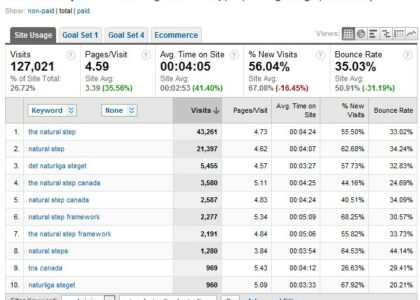
- Analyse Search Volume: Determine how often users search for each keyword.
- Evaluate Competition: Assess the level of competition for each keyword.
- Analyse User Intent: Understand what users are looking for when using specific keywords.
- Refine Your Strategy: Use insights from analysis to refine your SEO strategy.
The Role of Tools in Keyword Research
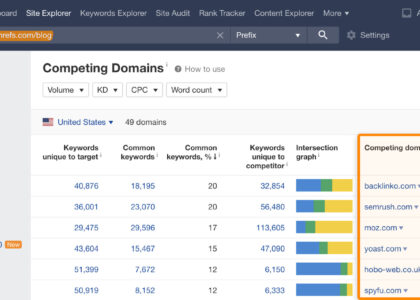
A variety of tools are available to assist with keyword research and analysis, such as Google Keyword Planner, SEMrush, Ahrefs, and Moz Keyword Explorer. These tools provide valuable data on keyword performance metrics, search volume trends, competition levels, and more.
In Conclusion
Incorporating effective SEO keyword research and analysis into your digital marketing strategy is essential for driving organic traffic to your website and improving its visibility online. By understanding the language of your target audience and optimising your content accordingly, you can enhance user experience, increase engagement, and ultimately achieve better results in search engine rankings.
Comprehensive Guide to SEO Keyword Research and Analysis: 23 Frequently Asked Questions
- What are the 3 pillars of SEO?
- How do you Analyse keywords for SEO?
- How do I research best keywords in SEO?
- Is Keyword research the same as SEO?
- What is Keyword research tool in SEO?
- How do you do SEO analysis?
- How do I find SEO keywords?
- Is keyword research part of SEO?
- How do I research and choose SEO keywords?
- What is the difference between keyword research and SEO?
- What is Keyword research and analysis in SEO?
- What is a keyword in SEO analytics?
- How do I research keywords for my SEO strategy?
- How do I learn SEO keywords?
- How do you analyze SEO keywords?
- What is keyword analysis in research?
- What is SEO research tools?
- Is SEO the same as keyword research?
- What are the 5 important concepts of SEO?
- What is the best keyword research technique in SEO?
- What is SEO analysis?
- How do I identify keywords in SEO?
- What are the 4 main components of an SEO?
What are the 3 pillars of SEO?
When it comes to SEO, the three pillars that form the foundation of a successful strategy are on-page optimisation, off-page optimisation, and technical SEO. On-page optimisation focuses on improving elements within your website, such as content quality, keyword usage, meta tags, and internal linking. Off-page optimisation involves building external links from reputable sources to increase your site’s authority and credibility. Technical SEO addresses the backend aspects of your website, including site speed, mobile-friendliness, and structured data markup. By effectively implementing these three pillars of SEO, businesses can enhance their online visibility and attract more organic traffic to their websites.
How do you Analyse keywords for SEO?
Analysing keywords for SEO involves a systematic approach to understanding the relevance, search volume, and competitiveness of specific terms to enhance a website’s visibility and ranking on search engine results pages. To analyse keywords effectively, one must first identify target keywords that align with the business or industry. Subsequently, evaluating the search volume of each keyword provides insights into user demand and popular search queries. Assessing the competition level for selected keywords helps determine the feasibility of ranking for those terms. Understanding user intent behind keyword usage is crucial in creating content that resonates with the target audience. By refining SEO strategies based on comprehensive keyword analysis, businesses can optimise their online presence and attract qualified traffic to their websites.
How do I research best keywords in SEO?
When it comes to conducting keyword research for SEO, the process of identifying the best keywords involves several key steps. Firstly, it is essential to understand your target audience and their search behaviour. By gaining insights into the specific terms and phrases they use when searching for products or services related to your business, you can tailor your keyword strategy accordingly. Utilising keyword research tools such as Google Keyword Planner, SEMrush, or Ahrefs can help you identify high-volume and low-competition keywords that are relevant to your industry. Additionally, analysing competitor keywords and staying up-to-date with search trends can further enhance your keyword research efforts. Ultimately, thorough keyword research is crucial in selecting the most effective keywords that will drive organic traffic to your website and improve its visibility in search engine results.
Is Keyword research the same as SEO?
Keyword research is a fundamental component of SEO, but they are not the same thing. While keyword research focuses on identifying the specific words and phrases that users search for, SEO encompasses a broader set of strategies aimed at improving a website’s visibility and ranking on search engine results pages. Keyword research is a crucial element of SEO as it helps businesses understand their target audience’s search behaviour and preferences, enabling them to create relevant and optimised content that attracts organic traffic. In essence, keyword research serves as the foundation of an effective SEO strategy by guiding content creation, on-page optimization, and overall digital marketing efforts.
What is Keyword research tool in SEO?
A Keyword research tool in SEO is a software or online platform designed to help digital marketers and website owners discover relevant keywords for their content strategy. These tools provide valuable insights into search volume, competition levels, and keyword trends, allowing users to identify high-performing keywords that can enhance their website’s visibility on search engine results pages. By utilising a keyword research tool, businesses can make data-driven decisions to optimise their SEO efforts, attract targeted traffic, and improve their overall online presence.
How do you do SEO analysis?
When it comes to conducting SEO analysis, the process typically involves several key steps to ensure an effective strategy. Firstly, it is crucial to identify and select relevant keywords that align with your business goals and target audience. This includes researching search volume, competition levels, and user intent behind specific keywords. Next, analysing website performance metrics, such as traffic sources, bounce rates, and conversion rates, can provide valuable insights into areas for improvement. Additionally, monitoring search engine rankings and staying updated on algorithm changes are essential for adapting your SEO strategy accordingly. By combining these elements with continuous evaluation and refinement, a comprehensive SEO analysis can help enhance website visibility, attract qualified traffic, and ultimately improve search engine rankings.
How do I find SEO keywords?
To find SEO keywords effectively, start by brainstorming words and phrases relevant to your business or industry. Consider your products, services, target audience, and unique selling points. Utilise keyword research tools like Google Keyword Planner, SEMrush, or Ahrefs to discover popular search terms related to your niche. Analyse search volume, competition levels, and user intent to identify valuable keywords for your SEO strategy. Additionally, study competitor keywords and trends in your industry to stay ahead. By combining creativity with data-driven insights, you can uncover impactful SEO keywords that drive organic traffic and improve your website’s visibility online.
Is keyword research part of SEO?
Keyword research is a fundamental aspect of Search Engine Optimization (SEO) and plays a crucial role in determining the success of an SEO strategy. Identifying relevant keywords that align with your target audience’s search queries is essential for improving your website’s visibility and ranking on search engine results pages. By conducting comprehensive keyword research, businesses can gain valuable insights into user intent, preferences, and behaviour, allowing them to create targeted content that resonates with their audience and drives organic traffic to their website. In essence, keyword research forms the foundation of effective SEO practices and is integral to achieving online visibility and attracting qualified leads.
How do I research and choose SEO keywords?
When it comes to researching and selecting SEO keywords, the process involves thorough analysis and strategic decision-making. To begin, it is essential to identify relevant keywords that align with your business, products, or services. Utilising keyword research tools can help uncover search volume data, competition levels, and user intent behind specific keywords. By analysing this information, you can determine which keywords are most valuable for your SEO strategy. Choosing the right keywords involves striking a balance between search volume and competition to target terms that are both popular among users and achievable in ranking. Continuous monitoring and refinement of your keyword selection based on performance metrics is crucial for maintaining an effective SEO strategy over time.
What is the difference between keyword research and SEO?
Keyword research and SEO are closely related concepts but serve different purposes in the digital marketing landscape. Keyword research involves identifying and analysing specific words and phrases that users input into search engines to find relevant content. On the other hand, SEO (Search Engine Optimization) encompasses a broader set of strategies and techniques aimed at improving a website’s visibility and ranking on search engine results pages. While keyword research is a fundamental aspect of SEO, SEO also includes factors like website optimization, link building, content creation, and technical enhancements to enhance a site’s overall search engine performance. In essence, keyword research is a component of SEO that focuses on understanding user search behaviour to drive targeted traffic to a website.
What is Keyword research and analysis in SEO?
Keyword research and analysis in SEO is the process of identifying and evaluating the specific words and phrases that users enter into search engines when looking for information, products, or services related to a business. By conducting comprehensive keyword research, businesses can gain valuable insights into their target audience’s search behaviour and preferences. This data allows them to strategically select relevant keywords that have high search volume and low competition, ultimately improving their website’s visibility in search engine results pages and attracting qualified traffic. Keyword analysis involves assessing the performance metrics of chosen keywords to refine SEO strategies and enhance online presence effectively.
What is a keyword in SEO analytics?
In SEO analytics, a keyword refers to a specific word or phrase that users enter into search engines to find relevant information, products, or services. Keywords play a crucial role in SEO strategies as they help search engines understand the content of web pages and match them with user queries. By analysing keywords, businesses can identify popular search terms, assess their competitiveness, and strategically incorporate them into their website content to improve visibility and ranking on search engine results pages. Understanding the significance of keywords in SEO analytics is essential for developing an effective digital marketing strategy that drives organic traffic and enhances online presence.
How do I research keywords for my SEO strategy?
When it comes to researching keywords for your SEO strategy, there are several steps you can take to ensure success. Begin by identifying your target audience and understanding their search behaviour. Utilise keyword research tools such as Google Keyword Planner, SEMrush, or Ahrefs to discover relevant keywords with high search volume and low competition. Analyse the intent behind each keyword to align your content with what users are searching for. Continuously monitor and refine your keyword list based on performance data to optimise your SEO strategy effectively. By following a systematic approach to keyword research, you can enhance your website’s visibility and attract more qualified traffic from search engines.
How do I learn SEO keywords?
To learn SEO keywords effectively, it is essential to start by understanding the basics of keyword research and analysis. Begin by identifying your target audience and researching the terms they use when searching for products or services related to your business. Utilise tools such as Google Keyword Planner or SEMrush to explore keyword trends, search volume, and competition levels. Analyse the data to select relevant keywords that align with your content strategy and user intent. Continuous learning and adaptation based on keyword performance will help you refine your SEO keyword skills and improve your website’s visibility in search engine results pages.
How do you analyze SEO keywords?
Analyzing SEO keywords involves a systematic approach to understanding the relevance, competitiveness, and search volume of specific keywords. To effectively analyse SEO keywords, one must begin by identifying target keywords that are relevant to their business or industry. Next, it is crucial to evaluate the search volume of each keyword to determine how frequently users are searching for them. Assessing the level of competition for each keyword is also essential in gauging the difficulty of ranking for those terms. Furthermore, analysing user intent behind specific keywords helps in creating content that aligns with what users are looking for. By refining SEO strategies based on these insights, businesses can enhance their online visibility and attract qualified traffic to their websites.
What is keyword analysis in research?
Keyword analysis in research refers to the process of evaluating and understanding the significance, competitiveness, and search volume of specific keywords used in search engine queries. By conducting keyword analysis, digital marketers and website owners can gain valuable insights into the effectiveness of chosen keywords in driving organic traffic to their websites. This analysis helps in identifying the most relevant and high-performing keywords that align with user intent, allowing for targeted content creation and strategic SEO optimisation. Ultimately, keyword analysis plays a crucial role in enhancing a website’s visibility and ranking on search engine results pages.
What is SEO research tools?
SEO research tools are essential resources used in the process of SEO keyword research and analysis to enhance a website’s visibility and ranking on search engine results pages. These tools provide valuable insights into keyword performance metrics, search volume trends, competition levels, and user intent. By utilising SEO research tools such as Google Keyword Planner, SEMrush, Ahrefs, and Moz Keyword Explorer, digital marketers can identify relevant keywords, assess their competitiveness, and refine their SEO strategies to attract qualified traffic and improve overall online presence effectively.
Is SEO the same as keyword research?
SEO and keyword research are closely related but not the same. SEO (Search Engine Optimization) encompasses a range of strategies and techniques aimed at improving a website’s visibility and ranking on search engine results pages. Keyword research, on the other hand, is a specific aspect of SEO that involves identifying relevant keywords and phrases that users search for online. While keyword research is a fundamental part of SEO, SEO itself involves additional factors such as website optimization, content creation, link building, and technical aspects to enhance overall online visibility and attract organic traffic. In essence, keyword research is a crucial component of SEO, helping businesses understand user intent and preferences to create targeted content that aligns with search queries effectively.
What are the 5 important concepts of SEO?
When it comes to SEO, understanding the five important concepts is crucial for a successful digital marketing strategy. The first concept is keyword research, which involves identifying relevant search terms to target in content creation. Next, on-page optimization focuses on factors such as meta tags, headings, and internal linking to improve a website’s visibility and relevance to search engines. Off-page optimization, the third concept, involves building high-quality backlinks from reputable websites to boost a site’s authority and credibility. Technical SEO addresses website structure, speed, and mobile-friendliness to enhance user experience and search engine rankings. Lastly, content quality plays a vital role in engaging users and establishing expertise in a particular niche, ultimately driving organic traffic and improving overall SEO performance.
What is the best keyword research technique in SEO?
When it comes to SEO keyword research, one of the frequently asked questions is, “What is the best keyword research technique in SEO?” The best keyword research technique in SEO involves a comprehensive approach that combines various methods to identify relevant and high-performing keywords for your website. This technique typically includes analysing search volume, competition levels, user intent, and trends in search behaviour. By utilising tools like Google Keyword Planner, SEMrush, and Ahrefs, along with conducting manual research and competitor analysis, you can develop a robust keyword strategy that aligns with your business goals and target audience preferences.
What is SEO analysis?
SEO analysis refers to the process of evaluating and assessing various aspects of a website’s performance in search engine results pages. It involves examining factors such as keyword usage, content quality, backlink profile, site speed, and user experience to identify strengths and weaknesses that impact the site’s visibility and ranking. By conducting SEO analysis, digital marketers gain valuable insights into how well a website is optimized for search engines and can make informed decisions to improve its overall performance and effectiveness in attracting organic traffic.
How do I identify keywords in SEO?
To identify keywords in SEO, start by understanding your target audience and their search behaviour. Consider the products or services you offer and brainstorm relevant terms that potential customers might use to find them. Utilise keyword research tools like Google Keyword Planner, SEMrush, or Ahrefs to discover popular search terms, search volume, and competition levels. Analyse your competitors’ keywords and look for opportunities to target unique or long-tail keywords that align with your content strategy. Remember to consider user intent when selecting keywords to ensure they match what users are seeking. Regularly monitor and adjust your keyword strategy based on performance metrics to maximise the effectiveness of your SEO efforts.
What are the 4 main components of an SEO?
When it comes to SEO, there are four main components that play a crucial role in optimising a website for search engines. These components include keyword research and analysis, on-page optimisation, off-page optimisation, and technical SEO. Keyword research and analysis help identify relevant search terms to target, while on-page optimisation involves optimising content and HTML elements on the website. Off-page optimisation focuses on building backlinks and increasing the site’s authority, while technical SEO deals with the website’s infrastructure and performance to ensure it is easily crawlable by search engines. Mastering these four components is key to achieving a successful SEO strategy.