
Content SEO Analysis: Optimising Your Content for Search Engines
In the digital age, having a strong online presence is crucial for businesses looking to attract and engage with their target audience. Search engine optimisation (SEO) plays a key role in ensuring that your content ranks well on search engine results pages (SERPs) and reaches the right audience.
What is Content SEO Analysis?
Content SEO analysis involves evaluating the quality and effectiveness of your website content from an SEO perspective. By conducting a thorough analysis, you can identify areas for improvement and make strategic changes to boost your content’s visibility and relevance to search engines.
Key Aspects of Content SEO Analysis
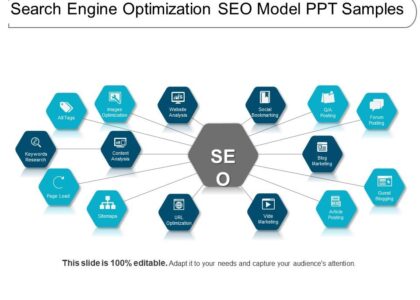
- Keyword Research: Identifying relevant keywords and phrases that your target audience is likely to use when searching for information related to your business.
- On-Page Optimisation: Optimising various on-page elements such as title tags, meta descriptions, headings, and image alt text to improve keyword relevance and readability.
- Content Quality: Assessing the overall quality of your content in terms of relevance, depth, originality, and engagement to ensure it meets the needs of both users and search engines.
- Internal Linking: Creating a logical internal linking structure within your content to help search engines understand the relationships between different pages on your website.
- User Experience: Evaluating factors such as page load speed, mobile responsiveness, and overall user experience to enhance usability and encourage longer dwell times.
The Benefits of Content SEO Analysis
By regularly conducting content SEO analysis, you can:
- Improve Search Engine Rankings: By optimising your content for relevant keywords and addressing technical issues that may affect its visibility in search results.
- Increase Organic Traffic: By making your content more accessible and appealing to both users and search engines, leading to higher organic traffic levels over time.
- Enhance User Engagement: By creating high-quality, informative content that meets the needs of your target audience and encourages them to interact with your website.
- Stay Ahead of Competitors: By staying informed about industry trends and best practices in SEO that can give you a competitive edge in the online landscape.
In Conclusion
A comprehensive content SEO analysis is essential for maximising the impact of your digital marketing efforts. By understanding how search engines evaluate and rank content, you can make informed decisions that drive organic traffic growth, improve user engagement, and ultimately achieve your business goals online.
8 Essential Tips for Effective Content SEO Analysis
- Perform keyword research to identify relevant terms for your content.
- Analyse your competitors’ content to understand what works well in your industry.
- Optimise your titles and meta descriptions with target keywords.
- Ensure your content is well-structured with headings, subheadings, and bullet points.
- Improve the readability of your content by using short sentences and paragraphs.
- Include internal links to other relevant pages on your website to improve SEO.
- Optimise images with descriptive filenames and alt text for better search engine visibility.
- Regularly monitor and analyse the performance of your content using SEO tools.
Perform keyword research to identify relevant terms for your content.
Performing keyword research is a crucial step in content SEO analysis. By identifying relevant terms that your target audience is likely to use when searching for information related to your business, you can optimise your content to align with these keywords. This strategic approach not only enhances the visibility of your content on search engine results pages but also ensures that it resonates with the right audience, driving organic traffic and improving overall SEO performance.
Analyse your competitors’ content to understand what works well in your industry.
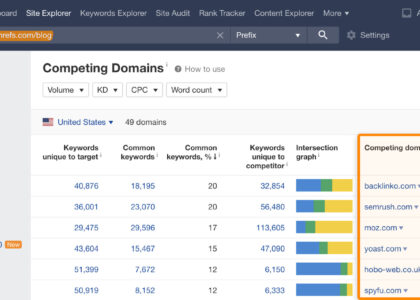
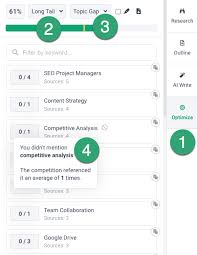
Analysing your competitors’ content is a valuable strategy in content SEO analysis as it provides insights into what resonates with your target audience and performs well within your industry. By studying their content, you can identify successful tactics, keywords, and topics that attract engagement and drive traffic. This competitive analysis not only helps you stay informed about the latest trends but also allows you to refine your own content strategy to better meet the needs and expectations of your audience.
Optimise your titles and meta descriptions with target keywords.
To enhance the visibility of your content in search engine results, it is crucial to optimise your titles and meta descriptions with target keywords. By incorporating relevant keywords into these elements, you can improve the chances of your content being discovered by users searching for information related to your business. Crafting compelling titles and meta descriptions that accurately reflect the content of your pages while including key terms can significantly impact click-through rates and ultimately boost your website’s SEO performance.
Ensure your content is well-structured with headings, subheadings, and bullet points.
To enhance the effectiveness of your content SEO analysis, it is crucial to ensure that your content is well-structured with clear headings, informative subheadings, and concise bullet points. This not only improves readability for users but also helps search engines better understand the hierarchy and relevance of the information presented. By organising your content in a logical and user-friendly manner, you can enhance the overall user experience, increase engagement, and improve your chances of ranking higher in search engine results pages.
Improve the readability of your content by using short sentences and paragraphs.
To enhance the readability of your content and improve its SEO performance, consider utilising short sentences and paragraphs. By breaking down your text into concise segments, you make it easier for readers to digest the information quickly and efficiently. This not only enhances user experience but also increases the likelihood of search engines recognising the relevance and clarity of your content, ultimately boosting its visibility in search results.
Include internal links to other relevant pages on your website to improve SEO.
Including internal links to other relevant pages on your website is a valuable strategy to enhance your SEO efforts. By strategically linking to other pages within your site, you not only provide additional context and value to your readers but also help search engines better understand the structure and relevance of your content. Internal linking can improve the overall user experience, increase the time users spend on your site, and ultimately boost your website’s visibility and authority in search engine results.
Optimise images with descriptive filenames and alt text for better search engine visibility.
To enhance your website’s search engine visibility, it is crucial to optimise images by using descriptive filenames and alt text. When search engines crawl your site, they rely on this information to understand the content of your images. By incorporating relevant keywords into both the filenames and alt text, you can improve the chances of your images appearing in search results related to those keywords. This simple yet effective practice not only boosts SEO but also enhances accessibility for users who rely on screen readers to understand the content of your website.
Regularly monitor and analyse the performance of your content using SEO tools.
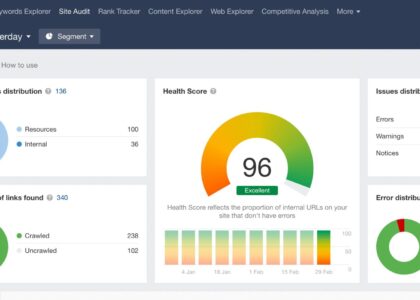
To enhance the effectiveness of your content SEO strategy, it is essential to regularly monitor and analyse the performance of your content using SEO tools. By utilising these tools, you can gain valuable insights into how your content is performing in search engine results and identify areas for improvement. Monitoring key metrics such as keyword rankings, organic traffic, and user engagement allows you to make data-driven decisions to optimise your content for better visibility and relevance, ultimately driving more traffic to your website.