
The Importance of On-Page SEO Checker for Website Optimization
In the digital age, having a strong online presence is crucial for businesses to succeed. Search engine optimization (SEO) plays a significant role in improving a website’s visibility and ranking on search engine results pages. One key aspect of SEO is on-page optimization, which involves optimizing individual web pages to enhance their search engine rankings and attract more organic traffic.
On-page SEO checker tools are essential for website owners and digital marketers to analyse and improve their on-page SEO elements effectively. These tools help identify areas of improvement on a webpage, such as meta tags, headings, content quality, keyword usage, internal linking structure, and more.
Benefits of Using an On-Page SEO Checker:
- Optimizing Content: On-page SEO checkers provide insights into keyword density, relevance, and placement within the content. This helps ensure that the content is well-optimized for search engines.
- Improving Meta Tags: Meta tags play a crucial role in telling search engines what a webpage is about. On-page SEO checkers help in optimizing title tags, meta descriptions, and other meta elements for better visibility.
- Enhancing User Experience: By analysing factors like page speed, mobile-friendliness, and internal linking structure, on-page SEO checkers contribute to improving overall user experience on the website.
- Increasing Organic Traffic: Effective on-page optimization can lead to higher search engine rankings, resulting in increased organic traffic to the website over time.
- Monitoring Progress: On-page SEO checkers often come with tracking features that allow users to monitor their progress over time and make necessary adjustments based on performance data.
In conclusion, leveraging an on-page SEO checker is essential for any website looking to enhance its online visibility and attract more organic traffic. By identifying areas of improvement and implementing best practices recommended by these tools, website owners can significantly boost their search engine rankings and ultimately achieve their digital marketing goals.
Essential FAQs About On-Page SEO Checkers: Tools, Tips, and Techniques
- Which is example of on page SEO?
- What is on-page SEO checker?
- Does Google have an SEO checker?
- What is on page SEO tool?
- What is good on page SEO score?
- How do I check my onpage SEO?
- What is on page SEO checker in Semrush?
- How do you do on page SEO?
- How do I check my SEO ranking?
- Which tool helps you to check the speed of the website SEO on page?
- What is on-page SEO tool?
- Is SEO site Checkup free?
- What are the top 5 on page SEO factors?
- What are top 10 on-page SEO factors?
- How can we do on page SEO?
- How do I know if my website is SEO friendly?
- What is on page SEO vs on page SEO?
- What is on on page SEO?
- What is on page SEO?
- What is on-page SEO with example?
- What is the free tool to check on page SEO?
- How do I use on page SEO checker?
Which is example of on page SEO?
An example of on-page SEO is optimising the meta tags of a webpage. This includes crafting a relevant and compelling title tag that accurately describes the content of the page, as well as writing a concise and engaging meta description that entices users to click through from search engine results pages. By strategically incorporating targeted keywords into these meta tags and ensuring they align with the page’s content, website owners can improve their chances of ranking higher in search engine results for relevant queries.
What is on-page SEO checker?
An on-page SEO checker is a valuable tool used in digital marketing to analyse and optimise individual web pages for better search engine visibility and ranking. This tool evaluates various on-page elements such as meta tags, content quality, keyword usage, internal linking structure, and more to ensure that a webpage is effectively optimised for search engines. By providing insights and recommendations for improvement, an on-page SEO checker helps website owners and digital marketers enhance their on-page SEO efforts, ultimately leading to increased organic traffic and improved online presence.
Does Google have an SEO checker?
When it comes to on-page SEO checking tools, Google does not provide a specific tool known as an “SEO checker.” However, Google offers a variety of free tools and resources that can help website owners and digital marketers improve their SEO efforts. Tools such as Google Search Console, Google Analytics, and PageSpeed Insights can provide valuable insights into a website’s performance, user experience, and search engine visibility. While Google does not offer a dedicated SEO checker tool, utilising its existing suite of tools can still be highly beneficial in optimising websites for better search engine rankings and overall online presence.
What is on page SEO tool?
An on-page SEO tool is a digital instrument designed to analyse and evaluate various on-page elements of a website to improve its search engine optimisation (SEO) performance. This tool helps website owners and digital marketers assess factors such as meta tags, content quality, keyword usage, internal linking structure, and other on-page SEO elements. By providing valuable insights and recommendations, an on-page SEO tool enables users to optimise their web pages effectively for better search engine rankings and increased organic traffic.
What is good on page SEO score?
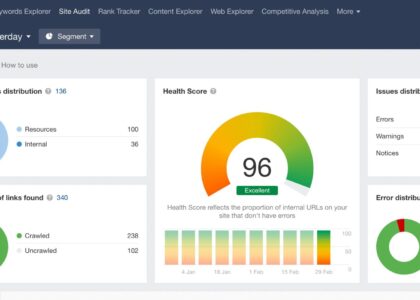
When it comes to on-page SEO, determining a good SEO score can vary depending on various factors such as the specific goals of a website, industry standards, and the competitiveness of keywords. While there is no definitive number that universally defines a “good” on-page SEO score, it is generally recommended to aim for a score above 80 out of 100 for optimal results. This score indicates that the webpage has been effectively optimized with relevant keywords, high-quality content, proper meta tags, internal linking structure, and other essential on-page elements. However, it’s crucial to remember that SEO is an ongoing process, and continuous monitoring and improvement are key to maintaining and enhancing search engine rankings over time.
How do I check my onpage SEO?
To check your on-page SEO, you can use various tools and techniques to analyse and improve the optimisation of individual web pages. One common method is to utilise on-page SEO checkers, which are online tools designed to evaluate different aspects of a webpage such as meta tags, content quality, keyword usage, internal linking, and more. These tools provide valuable insights and recommendations for enhancing your on-page SEO performance. Additionally, conducting manual checks by reviewing your content for keyword relevance, ensuring proper meta tag implementation, improving user experience factors like page speed and mobile-friendliness, and maintaining a strong internal linking structure can also help in checking and enhancing your on-page SEO effectively. Regularly monitoring your website’s performance using these methods can contribute to better search engine rankings and increased organic traffic.
What is on page SEO checker in Semrush?
An on-page SEO checker in Semrush is a powerful tool that analyses individual web pages to provide detailed insights and recommendations for improving their search engine optimisation (SEO) performance. With Semrush’s on-page SEO checker, users can identify areas for enhancement, such as meta tags, content quality, keyword usage, internal linking structure, and more. By utilising this tool, website owners and digital marketers can effectively optimise their web pages to boost search engine rankings, increase organic traffic, and enhance overall online visibility.
How do you do on page SEO?
When it comes to on-page SEO, the process involves a series of strategic steps to optimise individual web pages for search engines. Firstly, conducting thorough keyword research to identify relevant and high-performing keywords is crucial. These keywords should be strategically incorporated into the page’s content, meta tags, headings, and URLs. Additionally, ensuring that the content is high-quality, relevant, and engaging for users is key. Properly structuring the content with headings (H1, H2, etc.) and using internal links to connect related pages within the website also plays a significant role in on-page SEO. Lastly, paying attention to technical aspects such as page load speed, mobile-friendliness, and optimising meta tags like title and description are essential for a well-rounded on-page SEO strategy. By following these best practices and utilising tools like on-page SEO checkers to analyse and improve each element systematically, websites can enhance their visibility and ranking on search engine results pages.
How do I check my SEO ranking?
To check your SEO ranking effectively, there are several methods you can utilise. One common approach is to use online tools such as Google Search Console, SEMrush, or Ahrefs, which provide insights into your website’s performance in search engine results pages (SERPs). These tools can show you where your website ranks for specific keywords, track changes in ranking over time, and identify areas for improvement. Additionally, monitoring your website’s organic traffic and engagement metrics can give you a good indication of how well your SEO strategies are performing. Regularly analysing these data points and making adjustments based on the results can help you improve your SEO ranking and enhance your online visibility.
Which tool helps you to check the speed of the website SEO on page?
When it comes to monitoring the speed of a website’s on-page SEO performance, one valuable tool that can be utilised is a website speed test tool. These tools assess various aspects of a website’s speed, including page load times, server response times, and overall performance metrics. By using a website speed test tool, website owners and digital marketers can gain insights into how efficiently their web pages are loading and identify areas for improvement to enhance the overall on-page SEO experience for users and search engines alike.
What is on-page SEO tool?
An on-page SEO tool is a software application or online service designed to analyse and optimise individual web pages for better search engine visibility. This tool helps website owners and digital marketers identify areas of improvement within a webpage, such as meta tags, content quality, keyword usage, internal linking structure, and more. By providing valuable insights and recommendations, an on-page SEO tool assists in enhancing on-page elements to improve search engine rankings and attract organic traffic. Overall, an on-page SEO tool is a valuable resource for ensuring that web pages are effectively optimised to meet the requirements of search engines and enhance overall online presence.
Is SEO site Checkup free?
When it comes to the question of whether SEO Site Checkup is free, the answer is yes, to an extent. SEO Site Checkup offers a free version of its tool that allows users to perform basic on-page SEO checks and receive a limited analysis of their website’s performance. However, for more in-depth and advanced features, such as detailed reports, competitor analysis, and ongoing monitoring, users may need to upgrade to a paid subscription plan. The free version can still provide valuable insights and recommendations for improving on-page SEO, making it a useful starting point for website owners looking to enhance their online presence.
What are the top 5 on page SEO factors?
When it comes to on-page SEO, there are several key factors that play a crucial role in determining a webpage’s search engine ranking. The top 5 on-page SEO factors include content quality and relevance, keyword optimization, meta tags (such as title tag and meta description), internal linking structure, and mobile-friendliness. Ensuring that these elements are optimised effectively can significantly impact a website’s visibility and performance in search engine results pages. By focusing on these essential on-page SEO factors, website owners can improve their chances of ranking higher and attracting more organic traffic to their site.
What are top 10 on-page SEO factors?
When it comes to on-page SEO, there are several key factors that play a crucial role in optimising a webpage for search engines. The top 10 on-page SEO factors include the use of relevant and targeted keywords in titles, headings, and content, ensuring meta tags are well-optimised with accurate descriptions and title tags, creating high-quality and engaging content that provides value to the audience, optimizing images with descriptive alt tags and file names, improving page load speed for better user experience, implementing mobile responsiveness for accessibility on different devices, structuring content with proper headings and subheadings for readability and SEO purposes, incorporating internal links to improve site navigation and enhance SEO performance, optimising URL structures to be concise and descriptive, and finally, paying attention to user engagement metrics such as bounce rate and dwell time. By focusing on these top 10 on-page SEO factors, website owners can effectively enhance their search engine rankings and drive more organic traffic to their sites.
How can we do on page SEO?
To effectively perform on-page SEO, website owners can follow a structured approach that involves several key steps. Firstly, conducting thorough keyword research to identify relevant and high-performing keywords is crucial. These keywords should then be strategically incorporated into the page’s title tags, meta descriptions, headings, and content to signal their relevance to search engines. Optimising images with descriptive alt text, improving internal linking structure, ensuring fast page loading speed, and creating high-quality, engaging content are also essential components of on-page SEO. Regularly monitoring and analysing performance metrics using tools like on-page SEO checkers can help track progress and make necessary adjustments to further enhance the website’s search engine visibility and user experience.
How do I know if my website is SEO friendly?
To determine if your website is SEO friendly, you can start by using an on-page SEO checker tool. These tools analyse various aspects of your website, such as meta tags, content quality, keyword usage, internal linking structure, and more to provide insights on areas that need improvement for better search engine visibility. Additionally, you can conduct manual checks by ensuring that your website has relevant and high-quality content, proper meta tags and descriptions, fast loading speed, mobile responsiveness, clear site structure with easy navigation, and secure HTTPS connection. Regularly monitoring your website’s performance in search engine results pages and making necessary adjustments based on SEO best practices will help ensure that your website remains SEO friendly and ranks well in search engine rankings.
What is on page SEO vs on page SEO?
When discussing on-page SEO versus on-page SEO, it’s important to clarify the distinction between the two terms. On-page SEO refers to the practice of optimizing individual web pages to improve their search engine rankings and attract organic traffic. This involves elements such as meta tags, keyword placement, content quality, and internal linking. On the other hand, on-page SEO checker is a tool used to analyse and assess the on-page SEO elements of a webpage, providing insights and recommendations for optimization. While on-page SEO is the actual process of optimising web pages, an on-page SEO checker is a valuable resource that helps website owners and digital marketers identify areas for improvement in their on-page optimization strategies.
What is on on page SEO?
On-page SEO refers to the practice of optimizing individual web pages to improve their search engine rankings and attract more organic traffic. It involves various elements such as meta tags, headings, content quality, keyword usage, internal linking structure, and more. By focusing on on-page SEO techniques, website owners and digital marketers can ensure that their web pages are effectively structured and contain relevant keywords that align with search queries. This optimization process aims to make the content more visible and accessible to search engines, ultimately leading to better visibility and higher rankings on search engine results pages.
What is on page SEO?
On-page SEO refers to the practice of optimizing individual web pages to improve their search engine rankings and attract organic traffic. It involves various techniques such as optimizing content with relevant keywords, improving meta tags like title and description, enhancing internal linking structure, ensuring mobile-friendliness, and focusing on user experience. By implementing on-page SEO strategies effectively, website owners can increase their visibility in search engine results pages (SERPs) and drive more quality traffic to their site. It is a fundamental aspect of search engine optimization that plays a crucial role in helping websites rank higher and reach their target audience online.
What is on-page SEO with example?
On-page SEO refers to the practice of optimizing individual web pages to improve their search engine rankings and attract organic traffic. This involves various techniques such as optimizing content, meta tags, headings, images, and internal linking structure on a webpage. For example, when implementing on-page SEO for a blog post about “best digital marketing strategies,” one would ensure that the targeted keyword is strategically placed in the title tag, meta description, headings, and throughout the content. Additionally, using relevant images with descriptive alt text and incorporating internal links to related articles can further enhance the on-page SEO of the webpage. By following these best practices, website owners can increase their chances of ranking higher in search engine results for specific keywords and topics.
What is the free tool to check on page SEO?
When it comes to checking on-page SEO for free, one popular tool that comes to mind is the “SEO Analyzer” by Neil Patel. This tool provides a comprehensive analysis of on-page SEO elements such as meta tags, headings, content quality, keyword usage, and more. It offers valuable insights and suggestions to improve website optimization without any cost involved. Utilising free tools like the SEO Analyzer can be a great starting point for website owners and digital marketers looking to enhance their on-page SEO performance effectively.
How do I use on page SEO checker?
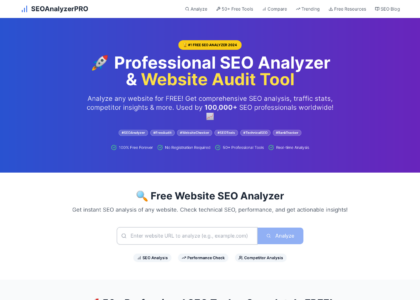
To use an on-page SEO checker effectively, start by entering the URL of the webpage you want to analyse into the tool. The on-page SEO checker will then scan the page and provide a detailed report highlighting areas for improvement. Pay attention to recommendations regarding meta tags, keyword usage, content quality, internal linking, and other on-page elements. Make necessary adjustments based on the tool’s suggestions to enhance the page’s SEO performance. Regularly using an on-page SEO checker and implementing its recommendations can help optimise your web pages for better search engine rankings and increased organic traffic.