
SEO Research and Analysis: The Key to Online Success
In the competitive world of online marketing, Search Engine Optimization (SEO) plays a crucial role in driving organic traffic to websites. However, simply implementing SEO strategies without proper research and analysis may not yield the desired results. To truly succeed in the digital landscape, businesses must invest time and resources in thorough SEO research and analysis.
The Importance of SEO Research
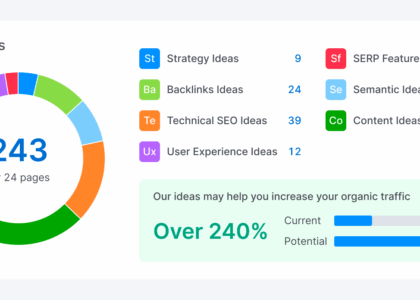
SEO research involves identifying relevant keywords, analysing competitors’ strategies, understanding user behaviour, and staying up-to-date with search engine algorithms. By conducting comprehensive research, businesses can gain valuable insights into their target audience’s preferences and search patterns. This information can then be used to tailor content and optimise website elements for improved visibility and ranking on search engine results pages.
The Role of SEO Analysis
SEO analysis goes hand in hand with research by evaluating the effectiveness of implemented strategies. By monitoring key performance indicators (KPIs) such as organic traffic, bounce rates, conversion rates, and keyword rankings, businesses can assess the impact of their SEO efforts. Through data-driven analysis, adjustments can be made to refine SEO tactics for better results.
Tools for SEO Research and Analysis
There are numerous tools available to facilitate SEO research and analysis. From keyword research tools like SEMrush and Ahrefs to analytics platforms such as Google Analytics and Moz Pro, these tools provide valuable insights into website performance and competitor activity. Leveraging these tools allows businesses to make informed decisions based on data rather than guesswork.
Continuous Improvement through SEO Research
SEO is an ever-evolving field, with search engines constantly updating their algorithms to deliver more relevant results to users. Therefore, continuous SEO research is essential for staying ahead of the curve. By keeping abreast of industry trends, consumer behaviour shifts, and algorithm updates, businesses can adapt their strategies proactively to maintain or improve their online presence.
Conclusion
In conclusion, SEO research and analysis are fundamental pillars of a successful online marketing strategy. By investing time and resources in thorough research, leveraging data-driven analysis, utilising appropriate tools, and embracing continuous improvement practices, businesses can enhance their online visibility, attract more organic traffic, and ultimately achieve greater success in the digital realm.
Mastering SEO: 8 Essential Tips for Effective Research and Analysis
- Conduct thorough keyword research to identify high-volume and relevant terms.
- Analyse competitors’ websites to understand their SEO strategies and identify gaps.
- Utilise tools like Google Analytics and Search Console for data-driven insights.
- Focus on long-tail keywords for more targeted traffic with less competition.
- Ensure your website is mobile-friendly, as this impacts search rankings significantly.
- Regularly audit your site’s technical SEO aspects, such as page speed and crawl errors.
- Create high-quality, engaging content that naturally incorporates target keywords.
- Monitor backlink profiles to maintain a healthy link-building strategy.
Conduct thorough keyword research to identify high-volume and relevant terms.
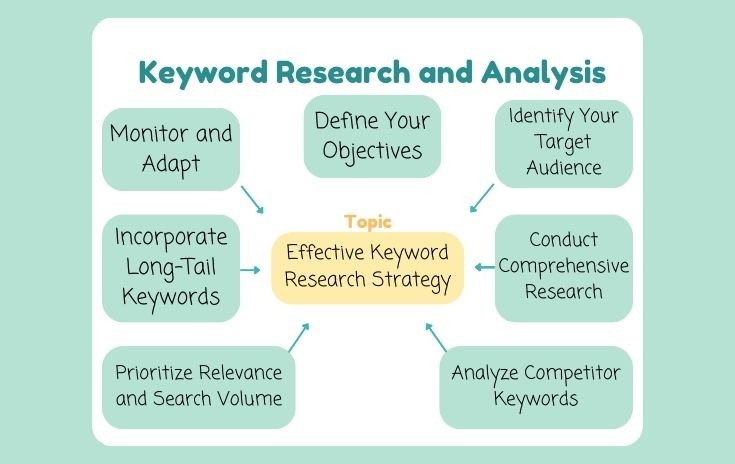
Conducting thorough keyword research is a crucial step in SEO research and analysis. By identifying high-volume and relevant terms that align with your target audience’s search intent, you can optimise your website content to attract more organic traffic. Understanding which keywords are popular and most likely to drive engagement allows you to create tailored content that resonates with users and improves your chances of ranking higher on search engine results pages. Effective keyword research lays the foundation for a successful SEO strategy by ensuring that your website is visible to those actively seeking the products or services you offer.
Analyse competitors’ websites to understand their SEO strategies and identify gaps.
Analysing competitors’ websites is a valuable tip in SEO research and analysis. By studying their SEO strategies, businesses can gain insights into what is working well for their competitors and identify areas where they may have an advantage or gap in their own strategy. Understanding the keywords they are targeting, the content they are producing, and the backlink profiles they have built can provide valuable information for improving one’s own SEO efforts and staying competitive in the online landscape.
Utilise tools like Google Analytics and Search Console for data-driven insights.
To enhance your SEO research and analysis efforts, it is recommended to utilise tools such as Google Analytics and Search Console. These powerful tools provide valuable data-driven insights into website performance, user behaviour, keyword rankings, and more. By leveraging the data provided by Google Analytics and Search Console, businesses can make informed decisions to optimise their SEO strategies effectively. Monitoring key metrics and trends through these tools allows for continuous improvement and better alignment with search engine algorithms, ultimately leading to improved online visibility and organic traffic growth.
Focus on long-tail keywords for more targeted traffic with less competition.
When conducting SEO research and analysis, it is advisable to focus on long-tail keywords to attract more targeted traffic with less competition. Long-tail keywords are specific phrases that are more likely to be used by users who are further along in the purchasing process and have a clearer idea of what they are looking for. By targeting these niche keywords, businesses can reach a more qualified audience and increase the likelihood of conversion. Additionally, long-tail keywords typically have lower competition levels, making it easier for websites to rank higher in search engine results pages. This strategic approach can result in improved visibility and better engagement with potential customers.
Ensure your website is mobile-friendly, as this impacts search rankings significantly.
Ensuring that your website is mobile-friendly is a crucial aspect of SEO research and analysis. With the increasing number of users accessing the internet via mobile devices, search engines like Google prioritise mobile-responsive websites in their rankings. Failing to optimise your site for mobile not only leads to a poor user experience but also negatively impacts your search visibility. By focusing on mobile-friendliness, businesses can improve their search rankings significantly and reach a wider audience effectively.
Regularly audit your site’s technical SEO aspects, such as page speed and crawl errors.
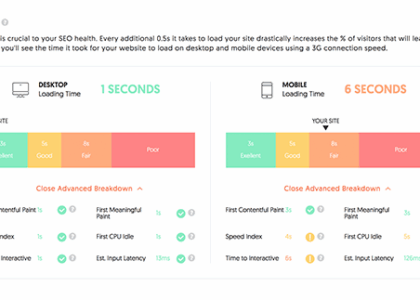
Regularly auditing your site’s technical SEO aspects, including page speed and crawl errors, is essential for maintaining a healthy online presence. Slow-loading pages can deter users and negatively impact search engine rankings, making page speed optimisation crucial. Additionally, identifying and rectifying crawl errors ensures that search engines can effectively index and rank your website’s content. By conducting regular audits and addressing any technical issues promptly, you can enhance user experience, improve search engine visibility, and ultimately boost your site’s performance in the competitive online landscape.
Create high-quality, engaging content that naturally incorporates target keywords.
Creating high-quality, engaging content that seamlessly integrates target keywords is a fundamental aspect of effective SEO research and analysis. By producing content that resonates with the target audience while strategically incorporating relevant keywords, businesses can enhance their website’s visibility and attract organic traffic. This approach not only improves search engine rankings but also ensures that the content provides value to users, ultimately leading to higher engagement and conversions. Through thoughtful content creation that balances user experience with SEO considerations, businesses can establish themselves as authoritative sources in their respective industries and drive sustainable online success.
Monitor backlink profiles to maintain a healthy link-building strategy.
Monitoring backlink profiles is a crucial aspect of maintaining a healthy link-building strategy in SEO research and analysis. By regularly reviewing the quality and quantity of backlinks pointing to a website, businesses can identify potential issues such as spammy links or broken URLs that may negatively impact their search engine rankings. Additionally, monitoring backlink profiles allows businesses to track the effectiveness of their link-building efforts and make informed decisions on future strategies to improve their online visibility and authority.