
The Power of SEO Ranking Analytics
Search Engine Optimization (SEO) is crucial for businesses looking to improve their online visibility and reach their target audience. One key aspect of an effective SEO strategy is monitoring and analysing your website’s ranking performance using SEO ranking analytics.
Understanding SEO Ranking Analytics
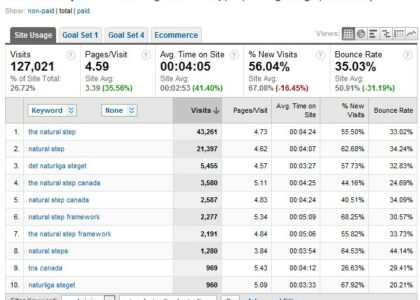
SEO ranking analytics provide valuable insights into how well your website is performing in search engine results pages (SERPs). By tracking metrics such as keyword rankings, organic traffic, click-through rates, and bounce rates, you can assess the effectiveness of your SEO efforts and make data-driven decisions to improve your rankings.
The Benefits of Using SEO Ranking Analytics
By utilising SEO ranking analytics, businesses can:
- Identify high-performing keywords: Analyse which keywords are driving the most traffic to your site and adjust your content strategy accordingly.
- Track competitor performance: Compare your website’s rankings with competitors to identify opportunities for improvement.
- Monitor changes in search algorithms: Stay informed about updates to search engine algorithms and adapt your SEO strategy accordingly.
- Improve user experience: Analyse user behaviour on your site to identify areas for improvement and enhance user experience.
- Measure ROI: Track the impact of your SEO efforts on website traffic, conversions, and revenue generation.
How to Use SEO Ranking Analytics Effectively
To make the most of SEO ranking analytics, consider the following tips:
- Set clear goals: Define specific objectives for your SEO strategy and use analytics to measure progress towards these goals.
- Regularly monitor key metrics: Keep track of important metrics such as keyword rankings, organic traffic, and conversion rates to identify trends and areas for improvement.
- Optimise content based on data: Use analytics insights to create targeted content that resonates with your target audience and improves search engine visibility.
- Stay informed about industry trends: Stay up-to-date with the latest developments in SEO best practices and search engine algorithms to ensure your strategy remains effective.
In conclusion, leveraging SEO ranking analytics is essential for businesses looking to enhance their online presence and drive organic traffic. By understanding key metrics, monitoring performance regularly, and making data-driven decisions, you can optimise your website for improved search engine rankings and increased visibility among potential customers.
Contact us today to learn more about how our advanced SEO ranking analytics tools can help boost your online success!
18 Frequently Asked Questions About SEO Ranking and Analytics
- How do I check SEO Analytics?
- How do you evaluate SEO ranking?
- How can I check my SEO ranking?
- How do I check my SEO ranking in Google Analytics?
- What are SEO Analytics?
- How to track SEO ranking?
- What are the 4 SEO rank factors?
- What is SEO data analytics?
- What is the SEO rank score?
- What is SEO analysis tool?
- What are the three stages of SEO ranking?
- What are the statistics for SEO ranking?
- Does Google Analytics show ranking?
- Can you track SEO on Google Analytics?
- Does using Google Analytics affect your rankings or SEO?
- How is SEO ranking measured?
- What is SEO in analytics?
- What is SEO in data analysis?
How do I check SEO Analytics?
To check SEO analytics, you can use a variety of tools and techniques to monitor and analyse your website’s performance in search engine results. One common method is to use online tools like Google Analytics, SEMrush, or Ahrefs, which provide valuable insights into key metrics such as keyword rankings, organic traffic, and user engagement. By setting up tracking codes on your website and regularly reviewing the data provided by these tools, you can gain a comprehensive understanding of how your SEO efforts are impacting your online visibility and performance. Additionally, consulting with SEO experts or attending training sessions on SEO analytics can help you interpret the data effectively and make informed decisions to improve your website’s search engine rankings.
How do you evaluate SEO ranking?
Evaluating SEO ranking involves a comprehensive analysis of various key performance indicators to assess the effectiveness of your website’s search engine optimisation efforts. To evaluate SEO ranking, you can consider metrics such as keyword rankings, organic traffic levels, click-through rates, conversion rates, and bounce rates. By monitoring these metrics closely and comparing them over time, you can gain valuable insights into the impact of your SEO strategies on your website’s visibility and performance in search engine results pages. Additionally, conducting regular audits and competitor analysis can provide further context for evaluating SEO ranking and identifying areas for improvement to enhance your website’s search engine rankings.
How can I check my SEO ranking?
To check your SEO ranking, you can use various tools and methods to monitor your website’s performance in search engine results pages (SERPs). One common approach is to use online SEO ranking tools that provide insights into your keyword rankings, organic traffic, and other relevant metrics. Additionally, you can manually conduct searches using targeted keywords to see where your website appears in the search results. Regularly tracking your SEO ranking allows you to assess the effectiveness of your SEO efforts and make informed decisions to improve your online visibility and reach your target audience effectively.
How do I check my SEO ranking in Google Analytics?
To check your SEO ranking in Google Analytics, you can utilise tools such as Google Search Console. By linking your website to Google Search Console, you can access valuable data on your website’s performance in search results, including keyword rankings, click-through rates, and impressions. Additionally, by setting up custom reports or segments in Google Analytics that focus on organic traffic and keyword performance, you can gain deeper insights into how users are finding and interacting with your site through search engines. Regularly monitoring these metrics will help you track your SEO progress and make informed decisions to improve your website’s visibility and rankings on Google.
What are SEO Analytics?
SEO analytics refer to the process of gathering and analysing data related to a website’s search engine optimisation (SEO) performance. These analytics provide valuable insights into various aspects of SEO, such as keyword rankings, organic traffic, user behaviour, and conversion rates. By tracking and interpreting SEO analytics, businesses can evaluate the effectiveness of their SEO strategies, identify opportunities for improvement, and make informed decisions to enhance their online visibility and reach. In essence, SEO analytics serve as a powerful tool for measuring and optimising a website’s performance in search engine results pages (SERPs).
How to track SEO ranking?
Tracking SEO ranking is essential for evaluating the effectiveness of your search engine optimisation efforts. To track SEO ranking, you can use various tools such as Google Analytics, SEMrush, Ahrefs, or Moz. These tools provide valuable insights into your website’s performance in search engine results pages (SERPs) by monitoring keyword rankings, organic traffic, backlinks, and more. By regularly monitoring these metrics and analysing the data, you can identify trends, track progress towards your SEO goals, and make informed decisions to improve your website’s visibility and ranking on search engines.
What are the 4 SEO rank factors?
When it comes to SEO ranking analytics, understanding the key factors that influence your website’s search engine rankings is crucial. The 4 main SEO rank factors include on-page optimisation, quality backlinks, content relevance, and user experience. On-page optimisation involves elements such as meta tags, keyword placement, and site speed that directly impact how search engines perceive and rank your content. Quality backlinks from reputable websites signal to search engines the credibility and authority of your site. Content relevance refers to creating high-quality, informative content that matches user search intent. Lastly, providing a seamless user experience through mobile-friendliness, easy navigation, and fast loading times can further boost your SEO rankings. By focusing on these 4 essential factors, businesses can improve their visibility in search results and attract more organic traffic to their websites.
What is SEO data analytics?
SEO data analytics refers to the process of collecting, analysing, and interpreting data related to a website’s search engine optimisation efforts. This involves tracking and measuring various metrics such as keyword rankings, organic traffic, click-through rates, bounce rates, and conversion rates to evaluate the performance of an SEO strategy. By leveraging SEO data analytics, businesses can gain valuable insights into how their website is performing in search engine results pages (SERPs) and make informed decisions to improve their online visibility and reach their target audience effectively.
What is the SEO rank score?
The SEO rank score is a numerical value that indicates the position of a website in search engine results for specific keywords or phrases. It serves as a measure of the website’s visibility and relevance in relation to competitors. The score is influenced by various factors such as keyword usage, backlinks, site speed, and user experience. A higher SEO rank score signifies better search engine rankings, resulting in increased organic traffic and potential leads. Monitoring and improving the SEO rank score is essential for businesses aiming to enhance their online presence and attract more visitors to their website.
What is SEO analysis tool?
An SEO analysis tool is a software application designed to evaluate and assess various aspects of a website’s search engine optimisation (SEO) performance. This tool typically analyses factors such as keyword usage, backlink quality, site speed, mobile-friendliness, and overall website health to provide insights into how well a website is optimised for search engines. By using an SEO analysis tool, website owners and digital marketers can identify areas for improvement, track progress over time, and make informed decisions to enhance their website’s visibility and ranking on search engine results pages.
What are the three stages of SEO ranking?
Understanding the three key stages of SEO ranking is essential for implementing an effective search engine optimisation strategy. The first stage involves keyword research and analysis, where relevant keywords are identified to target specific search queries. The second stage focuses on on-page optimisation, which includes creating high-quality content, optimising meta tags, and improving website structure for better visibility to search engines. The final stage revolves around off-page optimisation, which involves building quality backlinks from reputable sources to enhance the website’s authority and credibility in the eyes of search engines. By progressing through these three stages systematically, businesses can improve their SEO ranking and attract more organic traffic to their website.
What are the statistics for SEO ranking?
When it comes to SEO ranking analytics, understanding the statistics is crucial for evaluating the performance of your website in search engine results. The statistics for SEO ranking typically include key metrics such as keyword rankings, organic traffic levels, click-through rates, bounce rates, and conversion rates. These statistics provide valuable insights into how well your website is performing in search engine rankings and help you make informed decisions to improve your SEO strategy. By analysing these statistics regularly, businesses can track their progress, identify areas for improvement, and ultimately enhance their online visibility and reach their target audience effectively.
Does Google Analytics show ranking?
When it comes to SEO ranking analytics, a common question that arises is, “Does Google Analytics show ranking?” While Google Analytics provides valuable insights into website traffic, user behaviour, and conversions, it does not directly display keyword rankings in search engine results pages (SERPs). To track keyword rankings, businesses typically use specialised SEO tools or platforms that offer specific ranking analytics. By integrating these tools with Google Analytics data, businesses can gain a comprehensive understanding of their website’s performance and make informed decisions to improve their search engine rankings.
Can you track SEO on Google Analytics?
Yes, you can track SEO performance using Google Analytics. Google Analytics provides valuable insights into your website’s organic search traffic, keyword performance, and user behaviour, allowing you to monitor the effectiveness of your SEO efforts. By setting up goals, tracking conversions, and analysing key metrics such as organic traffic sources and landing pages, you can gain a comprehensive understanding of how your website is performing in search engine results. Utilising Google Analytics for SEO tracking enables you to make data-driven decisions to improve your search engine rankings and enhance your overall online visibility.
Does using Google Analytics affect your rankings or SEO?
The use of Google Analytics does not directly impact your website’s rankings or SEO performance. Google Analytics is a tool that provides valuable insights into website traffic, user behaviour, and conversions, helping you make informed decisions to improve your site’s performance. While Google may use data from its various tools to understand user experience and site quality, using Google Analytics itself does not have a direct influence on search engine rankings. It is important to focus on creating high-quality content, optimizing for relevant keywords, and following best SEO practices to enhance your website’s visibility in search results.
How is SEO ranking measured?
SEO ranking is measured through a combination of various factors that search engines use to determine the relevance and authority of a website in relation to specific keywords. Search engines like Google evaluate criteria such as keyword usage, website content quality, backlinks from reputable sources, user experience, and overall website performance. By analysing these metrics, search engines assign a ranking position to a website for specific search queries. Monitoring keyword rankings, organic traffic levels, click-through rates, and other performance indicators through SEO ranking analytics tools allows businesses to assess their SEO effectiveness and make informed decisions to improve their search engine rankings.
What is SEO in analytics?
SEO in analytics refers to the practice of using data and insights from analytics tools to monitor, evaluate, and improve the search engine optimisation (SEO) performance of a website. By integrating SEO with analytics, businesses can track key metrics such as keyword rankings, organic traffic, click-through rates, and user engagement to gain a comprehensive understanding of how their website is performing in search engine results pages (SERPs). This data-driven approach allows businesses to make informed decisions to enhance their SEO strategies, improve online visibility, and attract more relevant traffic to their website.
What is SEO in data analysis?
SEO in data analysis refers to the practice of using data-driven techniques to evaluate and improve search engine optimisation strategies. By analysing various metrics such as keyword performance, website traffic, user behaviour, and conversion rates, businesses can gain valuable insights into the effectiveness of their SEO efforts. This data-driven approach allows companies to make informed decisions about content creation, website optimisation, and overall SEO strategy to enhance visibility in search engine results pages and drive organic traffic. SEO in data analysis plays a crucial role in helping businesses understand the impact of their online presence and continuously refine their strategies for better performance.