

The Importance of SEO Analysis for Your Google Website
Search Engine Optimization (SEO) is crucial for any website looking to improve its visibility and ranking on search engine results pages. When it comes to Google websites, conducting a thorough SEO analysis is essential to ensure that your site is optimised for maximum performance.
Understanding SEO Analysis
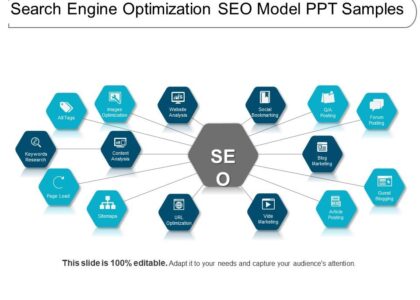
SEO analysis involves evaluating various elements of your website to determine how well it is set up to rank in search engine results. This process includes assessing factors such as keyword usage, meta tags, site speed, mobile-friendliness, backlinks, and more. By analysing these aspects, you can identify areas for improvement and develop a strategy to enhance your site’s SEO performance.
Benefits of SEO Analysis for Google Websites
Conducting an SEO analysis specifically for your Google website offers several benefits:
- Improved Ranking: By identifying and addressing SEO issues, you can improve your website’s ranking on Google search results pages.
- Enhanced Visibility: Optimising your site based on the analysis can increase its visibility to potential visitors searching for relevant keywords.
- Better User Experience: A well-optimised website not only performs better in search results but also provides a positive user experience.
- Informed Decision-Making: The insights gained from the analysis help you make informed decisions about your SEO strategy and content creation.
Tools for Conducting SEO Analysis
There are various tools available to help you conduct a comprehensive SEO analysis of your Google website. These tools provide valuable data and insights that can guide your optimization efforts. Some popular tools include Google Search Console, SEMrush, Moz Pro, Ahrefs, and more.
Conclusion
In conclusion, performing regular SEO analysis for your Google website is essential for improving its visibility, ranking, and overall performance in search engine results. By identifying areas of improvement and implementing effective strategies based on the analysis findings, you can enhance the success of your website in the competitive online landscape.
Comprehensive Guide: 19 FAQs on Google Website SEO Analysis
- What are the 4 types of SEO?
- How do I analyze SEO for my website?
- How do I Analyse SEO for my website?
- How do I check my website SEO performance?
- Is Google sites good for SEO?
- What is Google SEO testing tool?
- What is Google SEO score?
- Can you check SEO score?
- What is Google website SEO score?
- How can I check my website SEO score for free?
- How can I check my SEO ranking?
- What 3 Google tools would you use for SEO?
- Does Google have an SEO tool?
- How to use Google Analytics SEO?
- How do I Analyse a website for SEO?
- Can you do SEO on Google sites?
- What is Google SEO audit?
- How do I analyze my website for SEO?
- How do I analyze a website for SEO?
What are the 4 types of SEO?
When it comes to Search Engine Optimization (SEO), there are four main types that website owners should be aware of. The first type is on-page SEO, which involves optimizing individual web pages to improve their search engine ranking and attract more organic traffic. The second type is off-page SEO, which focuses on activities conducted outside of the website to enhance its online authority and credibility. Technical SEO is the third type, involving optimizing the technical aspects of a website to improve its indexing and crawling by search engines. Lastly, local SEO targets local search results by optimizing a website for specific geographical locations. Understanding these four types of SEO is crucial for implementing a comprehensive and effective SEO strategy for any website.
How do I analyze SEO for my website?
To analyse SEO for your website effectively, start by conducting a comprehensive audit of your site’s performance. This involves assessing key elements such as keyword usage, meta tags, site speed, mobile-friendliness, backlinks, and content quality. Utilise tools like Google Search Console, SEMrush, or Moz Pro to gather data and insights on your website’s SEO performance. Identify areas for improvement based on the analysis results and develop a strategy to optimise these aspects. Regularly monitor and adjust your SEO efforts to enhance your website’s visibility and ranking on search engine results pages. By taking a systematic approach to SEO analysis and implementation, you can improve the overall performance of your website and attract more organic traffic.
How do I Analyse SEO for my website?
To analyse SEO for your website, start by conducting a comprehensive audit of your site’s current performance. This involves assessing key factors such as keyword usage, meta tags, site speed, mobile-friendliness, backlinks, and content quality. Utilise tools like Google Search Console, SEMrush, Moz Pro, or Ahrefs to gather data and insights about your website’s SEO health. Identify areas for improvement based on the analysis results and develop a strategic plan to optimise your site for better search engine visibility and ranking. Regular monitoring and adjustments are essential to ensure ongoing SEO success for your website.
How do I check my website SEO performance?
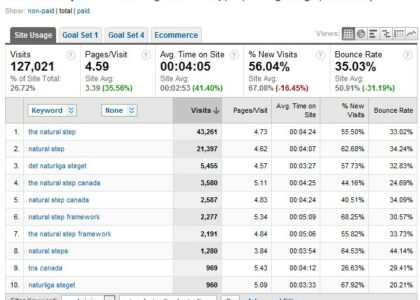
To check your website SEO performance, there are several key steps you can take. Start by using tools such as Google Analytics and Google Search Console to monitor important metrics like organic traffic, keyword rankings, backlinks, and site speed. Conduct a thorough on-page SEO analysis to ensure that your website content is optimised with relevant keywords, meta tags, and headings. Additionally, assess your website’s mobile-friendliness and user experience to improve overall SEO performance. Regularly review and update your SEO strategy based on the data collected to enhance your website’s visibility and ranking on search engine results pages.
Is Google sites good for SEO?
When considering the effectiveness of Google Sites for SEO, it’s important to understand that Google Sites can be a valuable tool for creating simple websites with basic functionality. However, compared to more advanced website-building platforms, Google Sites may have limitations in terms of customisation and SEO optimisation features. While Google Sites are designed to be user-friendly and easy to set up, they may not offer the same level of flexibility and control over SEO elements such as meta tags, structured data, and page speed optimisation. Therefore, for businesses or individuals looking to maximise their SEO efforts and achieve higher rankings on search engine results pages, using a more robust website platform with advanced SEO capabilities may be more beneficial in the long run.
What is Google SEO testing tool?
The Google SEO testing tool, also known as the Google Search Console, is a powerful instrument designed to help website owners and developers assess and improve their site’s performance in Google search results. This tool provides valuable insights into how Google views your website, highlighting areas for enhancement in terms of SEO. By analysing factors such as indexing status, mobile usability, and search appearance, the Google SEO testing tool enables users to make informed decisions about optimising their site for better visibility and ranking on the search engine.
What is Google SEO score?
The Google SEO score is a metric used to evaluate the search engine optimization (SEO) performance of a website on Google. It provides an indication of how well a website is optimized for Google’s search algorithms and ranking factors. The SEO score takes into account various aspects of a website, such as content quality, keyword usage, backlinks, site speed, mobile-friendliness, and more. A higher SEO score indicates that a website is more likely to rank well in Google search results, leading to increased visibility and organic traffic. Monitoring and improving your Google SEO score can help enhance your website’s online presence and reach a broader audience effectively.
Can you check SEO score?
When it comes to website SEO analysis, a frequently asked question is, “Can you check SEO score?” Checking the SEO score of a website involves evaluating various factors that contribute to its search engine optimisation performance. While there are tools available that provide an overall SEO score or grade based on different criteria such as keyword usage, backlinks, site speed, and more, it’s important to understand that SEO is a complex and ongoing process. A single SEO score may not capture the full picture of a website’s optimisation status, but it can serve as a starting point for identifying areas for improvement and guiding your SEO strategy.
What is Google website SEO score?
The Google website SEO score is a metric used to evaluate the search engine optimisation (SEO) performance of a website on Google. This score indicates how well a website is optimized for search engines in terms of various factors such as keyword usage, content quality, backlinks, site speed, mobile-friendliness, and more. A higher SEO score typically signifies that a website is more likely to rank higher in Google search results, leading to increased visibility and organic traffic. Website owners can improve their Google SEO score by addressing any identified issues through SEO analysis and implementing effective optimization strategies.
How can I check my website SEO score for free?
To check your website’s SEO score for free, there are various online tools available that can provide valuable insights into your site’s search engine optimisation performance. Popular tools such as Google Search Console, SEMrush, Moz Pro, and Ahrefs offer free versions with basic features to assess key SEO metrics. By entering your website URL into these tools, you can access information on factors like keyword rankings, backlinks, site speed, mobile-friendliness, and more. Utilising these tools allows you to evaluate your website’s SEO health and identify areas for improvement to enhance its visibility and ranking on search engine results pages.
How can I check my SEO ranking?
To check your SEO ranking, you can use various online tools and resources that provide insights into your website’s performance in search engine results. One common method is to utilise tools like Google Search Console, SEMrush, Ahrefs, or Moz Pro, which offer detailed reports on keyword rankings, organic traffic metrics, backlinks, and more. By regularly monitoring these tools and analysing the data they provide, you can gain a better understanding of where your website stands in search engine rankings and identify opportunities for improvement to enhance your SEO performance.
What 3 Google tools would you use for SEO?
When it comes to conducting SEO analysis for a Google website, there are three essential tools that can greatly assist in optimising the site’s performance. Firstly, Google Search Console provides valuable insights into how Google views your website, highlighting issues such as indexing problems, keyword performance, and more. Secondly, Google Analytics offers in-depth data on website traffic, user behaviour, and conversions, helping you understand the effectiveness of your SEO strategies. Lastly, Google Keyword Planner is a powerful tool for researching relevant keywords and identifying search trends to enhance your website’s visibility in search results. By utilising these three Google tools effectively, you can enhance your SEO efforts and improve the overall performance of your website.
Does Google have an SEO tool?
When it comes to conducting SEO analysis for websites, a frequently asked question is, “Does Google have an SEO tool?” Google offers a range of tools and resources that can aid in website optimization and performance tracking. One of the most widely used tools is Google Search Console, which provides valuable insights into how Google views your site, identifies indexing issues, and offers suggestions for improving search visibility. While Google Search Console is not a traditional SEO tool in the same sense as third-party platforms, it remains a powerful resource for webmasters looking to enhance their website’s SEO performance within the Google search ecosystem.
How to use Google Analytics SEO?
To optimise SEO performance using Google Analytics, website owners can follow a structured approach. Firstly, they should link their Google Analytics and Google Search Console accounts to access valuable data on organic search traffic. By analysing key metrics such as organic keyword performance, landing pages, and user behaviour, website owners can gain insights into how users find and interact with their site through search engines. Additionally, setting up custom reports and goals in Google Analytics can provide further visibility into SEO effectiveness and help track the impact of SEO efforts on website performance over time. Regularly monitoring these metrics and making data-driven decisions based on the insights gained can lead to improved SEO outcomes for the website.
How do I Analyse a website for SEO?
To analyse a website for SEO, start by conducting a comprehensive audit of the site’s content, structure, and technical aspects. Evaluate the use of relevant keywords, meta tags, and headings to ensure they align with your target audience and search engine algorithms. Assess the site’s loading speed, mobile-friendliness, and overall user experience to enhance its performance in search results. Utilise SEO tools such as Google Search Console, SEMrush, or Moz Pro to gather valuable insights on backlinks, site errors, and keyword rankings. By systematically reviewing these factors and implementing strategic improvements based on your analysis, you can effectively optimise a website for better visibility and ranking on search engines like Google.
Can you do SEO on Google sites?
When it comes to SEO for Google Sites, there are limitations to consider. While Google Sites provide some basic SEO features such as custom page titles, meta descriptions, and URL structures, the platform may not offer the same level of flexibility and advanced SEO capabilities as standalone websites or content management systems. Optimising a Google Site for search engines can still be done by focusing on keyword usage, quality content creation, and proper structuring of pages. However, for more intricate SEO strategies and in-depth analysis, using a dedicated website platform may offer greater control and effectiveness in improving search engine rankings.
What is Google SEO audit?
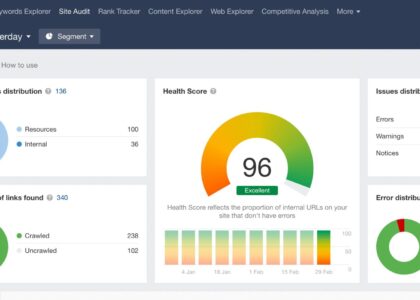
A Google SEO audit is a comprehensive evaluation of a website’s performance and optimisation for search engine ranking on Google. This process involves examining various elements such as keyword usage, content quality, meta tags, site structure, backlinks, and more to identify areas that need improvement. By conducting a Google SEO audit, website owners can gain valuable insights into how well their site is optimised for search visibility and user experience. The audit results help in developing a strategic plan to enhance the website’s SEO performance and increase its chances of ranking higher on Google search results pages.
How do I analyze my website for SEO?
To analyse your website for SEO, start by conducting a comprehensive audit of your site’s key elements. This includes assessing factors such as keyword usage, meta tags, site speed, mobile-friendliness, and backlinks. Utilise tools like Google Search Console, SEMrush, Moz Pro, or Ahrefs to gather data and insights on your website’s performance. Identify areas for improvement based on the analysis results and develop a strategy to optimise your site for better search engine visibility and ranking. Regularly monitor and adjust your SEO efforts to ensure ongoing improvement and success in driving organic traffic to your website.
How do I analyze a website for SEO?
To analyse a website for SEO, start by conducting a comprehensive audit of the site’s content, structure, and technical elements. Evaluate the use of relevant keywords, meta tags, headings, and image alt text to ensure they align with your target audience and search engine algorithms. Assess the site’s loading speed, mobile responsiveness, and internal linking structure for optimal user experience and search engine visibility. Utilise SEO tools like Google Search Console, SEMrush, or Moz to gather data on backlinks, organic traffic, and keyword rankings. Identify areas of improvement based on the analysis findings and develop a strategy to enhance the website’s SEO performance effectively. Regular monitoring and adjustments are key to maintaining a strong online presence in search engine results.