
The Power of Web Data Analysis
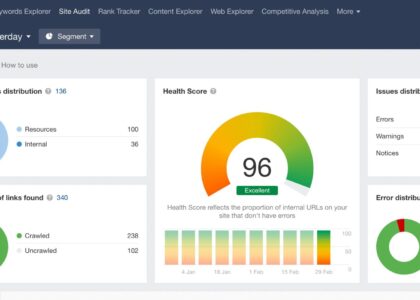
In today’s digital age, the internet is a treasure trove of valuable information waiting to be explored. Web data analysis is the process of examining and interpreting data collected from various online sources to uncover insights, trends, and patterns that can drive informed decision-making.
Understanding User Behaviour
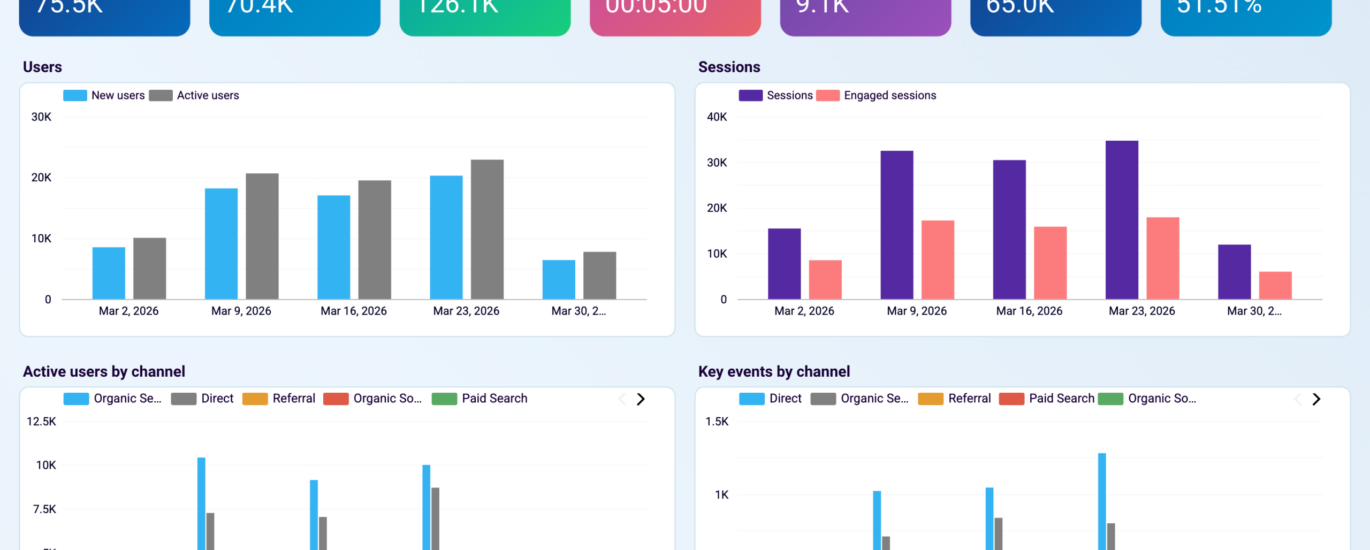
One of the key benefits of web data analysis is gaining a deep understanding of user behaviour. By analysing website traffic, click-through rates, bounce rates, and other metrics, businesses can identify how users interact with their online platforms. This insight enables them to make data-driven decisions to enhance user experience and optimise conversion rates.
Improving Marketing Strategies
Web data analysis plays a crucial role in improving marketing strategies. By analysing data from social media platforms, email campaigns, and website analytics, businesses can evaluate the effectiveness of their marketing efforts. This allows them to tailor their strategies based on real-time insights and target their audience more effectively.
Enhancing Competitive Advantage
Businesses that leverage web data analysis gain a competitive advantage in the market. By monitoring competitors’ online activities and analysing market trends, companies can identify opportunities for growth and stay ahead of industry developments. This proactive approach enables businesses to adapt quickly to changing market conditions and outperform their competitors.
Driving Business Growth
Ultimately, web data analysis drives business growth by providing valuable insights that inform strategic decision-making. By harnessing the power of data analytics tools and techniques, businesses can unlock hidden opportunities, mitigate risks, and improve overall performance. In today’s digital landscape, those who harness the power of web data analysis are better positioned to succeed in an increasingly competitive environment.
Five Advantages of Web Data Analysis for Business Success
- 1. Enables businesses to understand user behaviour on their websites.
- 2. Helps in improving marketing strategies by analysing online data.
- 3. Provides insights into competitors’ activities and market trends.
- 4. Drives informed decision-making based on real-time data analysis.
- 5. Facilitates business growth through strategic use of web data analytics.
Challenges in Web Data Analysis: Balancing Privacy, Accuracy, and Compliance
- Privacy concerns over data collection and analysis practices
- Risk of data breaches leading to the exposure of sensitive information
- Potential inaccuracies in data interpretation resulting in flawed decision-making
- Costly investment in advanced analytics tools and skilled professionals
- Overreliance on data analysis may overlook qualitative aspects of business operations
- Difficulty in ensuring compliance with evolving data protection regulations
1. Enables businesses to understand user behaviour on their websites.
Web data analysis empowers businesses to gain a comprehensive understanding of user behaviour on their websites. By analysing metrics such as page views, bounce rates, click-through rates, and user interactions, businesses can uncover valuable insights into how visitors navigate and engage with their online platforms. This knowledge enables companies to make data-driven decisions to enhance user experience, optimise website performance, and ultimately increase conversion rates. Understanding user behaviour through web data analysis is key to tailoring strategies that resonate with the target audience and drive business growth.
2. Helps in improving marketing strategies by analysing online data.
Web data analysis plays a pivotal role in enhancing marketing strategies by delving into online data. Through detailed analysis of metrics from various digital channels such as social media platforms, email campaigns, and website analytics, businesses can gain valuable insights into the effectiveness of their marketing efforts. By understanding user engagement, conversion rates, and consumer behaviour patterns, companies can make informed decisions to refine their marketing strategies, target their audience more accurately, and ultimately achieve better results in reaching and engaging with their target market.
3. Provides insights into competitors’ activities and market trends.
Web data analysis offers a significant advantage by providing valuable insights into competitors’ activities and market trends. By monitoring and analysing data from various online sources, businesses can gain a comprehensive understanding of their competitors’ strategies, product offerings, and customer engagement tactics. This information allows companies to identify emerging trends, anticipate market shifts, and adjust their own strategies accordingly to stay ahead in the competitive landscape. Ultimately, leveraging web data analysis to gain insights into competitors’ activities and market trends empowers businesses to make informed decisions that drive growth and success.
4. Drives informed decision-making based on real-time data analysis.
Web data analysis empowers businesses to make informed decisions based on real-time data analysis. By continuously monitoring and analysing online data, organisations can gain immediate insights into user behaviour, market trends, and performance metrics. This real-time information enables decision-makers to respond swiftly to changing circumstances, identify emerging opportunities, and address potential issues promptly. Ultimately, the ability to drive informed decision-making through real-time data analysis gives businesses a competitive edge in today’s fast-paced digital landscape.
5. Facilitates business growth through strategic use of web data analytics.
Facilitates business growth through strategic use of web data analytics by providing valuable insights that inform decision-making processes. By analysing data collected from online sources, businesses can identify trends, customer preferences, and market opportunities to develop targeted strategies that drive growth and enhance competitiveness. Leveraging web data analytics allows companies to make informed decisions, optimise operations, and capitalise on emerging trends, ultimately leading to sustainable business expansion and increased profitability.
Privacy concerns over data collection and analysis practices
Privacy concerns over data collection and analysis practices are a significant con of web data analysis. As businesses gather and analyse vast amounts of user data from online sources, there is a growing apprehension about the potential misuse or mishandling of personal information. Users are becoming increasingly wary of how their data is being collected, stored, and shared, raising questions about privacy rights and data security. This heightened concern over privacy issues underscores the importance of implementing robust data protection measures and ensuring transparent practices to build trust with users in the digital space.
Risk of data breaches leading to the exposure of sensitive information
One significant downside of web data analysis is the inherent risk of data breaches that could potentially expose sensitive information. As businesses collect and analyse vast amounts of data from online sources, there is a heightened vulnerability to cyber threats and security breaches. In the event of a breach, confidential customer details, proprietary business information, and other sensitive data could be compromised, leading to severe consequences such as financial loss, reputational damage, and legal implications. Therefore, organisations must prioritise robust cybersecurity measures and data protection protocols to mitigate the risk of data breaches and safeguard sensitive information from unauthorised access or exploitation.
Potential inaccuracies in data interpretation resulting in flawed decision-making
One significant drawback of web data analysis is the potential for inaccuracies in data interpretation, leading to flawed decision-making. Due to the vast amount of data collected from various online sources, there is a risk of misinterpreting or misanalysing information, which can result in misguided conclusions and strategic errors. This issue can be exacerbated by factors such as incomplete or outdated data, biased analysis methods, or overlooking critical contextual factors. As a result, businesses must exercise caution and employ rigorous validation processes to ensure the accuracy and reliability of their data interpretations before making important decisions based on web data analysis findings.
Costly investment in advanced analytics tools and skilled professionals
An inherent drawback of web data analysis is the significant cost associated with investing in advanced analytics tools and hiring skilled professionals. Implementing robust data analysis requires sophisticated software, which can be expensive to acquire and maintain. Moreover, recruiting and retaining qualified data analysts and data scientists with the expertise to interpret complex datasets adds to the financial burden. This substantial investment in both technology and human resources can pose a barrier for smaller businesses or organisations with limited budgets, limiting their ability to fully leverage the benefits of web data analysis.
Overreliance on data analysis may overlook qualitative aspects of business operations
An inherent con of web data analysis is the risk of overreliance on quantitative metrics, which may lead to overlooking the qualitative aspects of business operations. While data analysis provides valuable insights into performance and trends, it is essential to remember that not all aspects of business success can be quantified. Qualitative factors such as customer feedback, employee morale, and brand perception play a crucial role in shaping a company’s reputation and long-term sustainability. Relying solely on data analysis without considering these qualitative aspects can result in a narrow perspective that may hinder holistic decision-making and overlook critical nuances that drive business success.
Difficulty in ensuring compliance with evolving data protection regulations
One significant challenge associated with web data analysis is the difficulty in ensuring compliance with evolving data protection regulations. As laws and regulations governing data privacy continue to evolve and become more stringent, businesses face the complex task of navigating these legal frameworks while extracting valuable insights from online data. Ensuring that data collection, storage, and analysis practices adhere to the latest regulations such as GDPR can be a daunting task, requiring ongoing monitoring and adjustment to stay compliant. Failure to comply with data protection regulations not only poses legal risks but also undermines customer trust and reputation, highlighting the critical importance of addressing this con effectively in web data analysis strategies.