
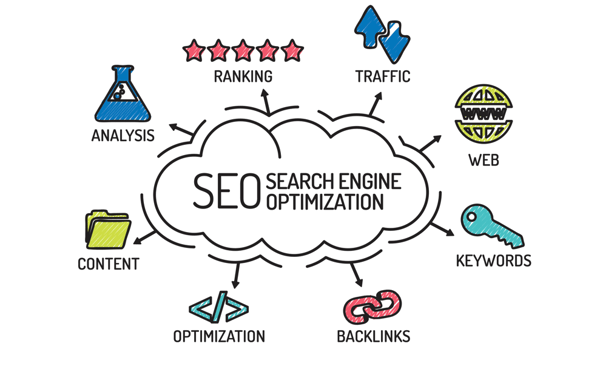
The Importance of Website Optimization Analysis
In today’s digital age, having a strong online presence is crucial for businesses to succeed. One key aspect of maintaining an effective website is through regular optimization analysis. This process involves evaluating various elements of your website to ensure it is performing at its best and delivering the desired results.
Benefits of Website Optimization Analysis
Improved User Experience: By analysing your website’s performance, you can identify areas that may be causing frustration for users. This could include slow loading times, broken links, or confusing navigation. Addressing these issues can significantly enhance the overall user experience.
Increased Traffic and Conversions: Optimizing your website can help improve its search engine ranking, making it more visible to potential customers. A well-optimized site is also more likely to convert visitors into leads or customers, ultimately boosting your business’s revenue.
Enhanced Performance: Through optimization analysis, you can identify and rectify any technical issues that may be hindering your website’s performance. This could involve compressing large images, improving server response times, or implementing caching mechanisms to speed up loading times.
Key Metrics to Analyse
Page Load Speed: Slow loading times can drive users away from your site. Use tools like Google PageSpeed Insights to analyse and improve your website’s speed.
Mobile Responsiveness: With an increasing number of users accessing websites on mobile devices, ensuring that your site is mobile-friendly is essential for a positive user experience.
Conversion Rates: Monitor how effectively your website is converting visitors into leads or customers and make adjustments to improve conversion rates.
Conclusion
Website optimization analysis is an ongoing process that requires regular monitoring and adjustment. By investing time and resources into analysing and optimizing your website, you can ensure that it remains competitive in the online landscape and continues to drive success for your business.
8 Essential Tips for Effective Website Optimisation Analysis
- Regularly monitor website performance metrics such as page load speed, bounce rate, and conversion rate.
- Conduct A/B testing to compare different versions of web pages and identify the most effective design or content.
- Optimize images by reducing file sizes without compromising quality to improve loading times.
- Ensure mobile responsiveness to cater to users accessing your site on smartphones and tablets.
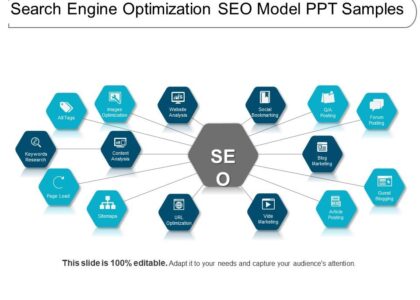
- Improve SEO by using relevant keywords, meta tags, and high-quality content to increase organic traffic.
- Check for broken links and fix them promptly to maintain a smooth user experience and retain visitors.
- Utilize tools like Google Analytics or SEMrush for in-depth analysis of website traffic and user behaviour.
- Regularly update website content to keep it fresh, engaging, and relevant for both users and search engines.
Regularly monitor website performance metrics such as page load speed, bounce rate, and conversion rate.
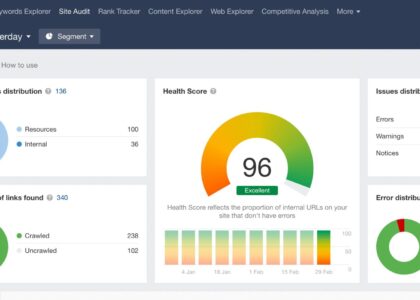
To ensure optimal performance and user engagement, it is essential to regularly monitor key website performance metrics such as page load speed, bounce rate, and conversion rate. By keeping a close eye on these metrics, businesses can identify areas for improvement and make necessary adjustments to enhance the overall user experience. A fast-loading website, low bounce rate, and high conversion rate are indicative of a well-optimised site that is likely to attract and retain visitors effectively. Regular monitoring of these metrics allows businesses to stay proactive in addressing any issues that may arise and continuously improve their online presence.
Conduct A/B testing to compare different versions of web pages and identify the most effective design or content.
Conducting A/B testing is a valuable strategy in website optimization analysis. By comparing different versions of web pages and measuring their performance against specific metrics, businesses can determine the most effective design or content that resonates with their target audience. This data-driven approach allows for informed decision-making, leading to improvements in user engagement, conversion rates, and overall website effectiveness.
Optimize images by reducing file sizes without compromising quality to improve loading times.
Optimising images by reducing file sizes without compromising quality is a valuable tip for improving website loading times. Large image files can significantly slow down page loading speed, leading to a poor user experience and potentially higher bounce rates. By optimising images effectively, businesses can strike a balance between visual appeal and performance, ensuring that their website loads quickly and efficiently for visitors. This practice not only enhances user experience but also contributes to improved search engine rankings, making it a crucial aspect of website optimization analysis.
Ensure mobile responsiveness to cater to users accessing your site on smartphones and tablets.
To enhance user experience and reach a wider audience, it is crucial to ensure mobile responsiveness when conducting website optimization analysis. With the increasing number of users accessing websites on smartphones and tablets, having a mobile-friendly site is essential. By catering to mobile users through responsive design, businesses can provide a seamless browsing experience, improve engagement, and ultimately drive conversions. Prioritising mobile responsiveness in website optimization analysis can significantly impact the success and visibility of a website in today’s digital landscape.
Improve SEO by using relevant keywords, meta tags, and high-quality content to increase organic traffic.
To enhance your website’s search engine optimisation (SEO) and attract more organic traffic, it is essential to focus on using relevant keywords, meta tags, and high-quality content. By strategically incorporating keywords that are commonly searched by your target audience into your website’s content and meta tags, you can improve its visibility in search engine results. Additionally, creating informative and engaging content that provides value to visitors not only helps in boosting SEO but also encourages users to spend more time on your site. This holistic approach to website optimization analysis can lead to increased organic traffic and better overall performance in the digital landscape.
Check for broken links and fix them promptly to maintain a smooth user experience and retain visitors.
Checking for broken links on your website is a crucial aspect of website optimization analysis. Broken links can frustrate users and lead to a negative experience, potentially driving them away from your site. By promptly identifying and fixing broken links, you can ensure a smooth user experience and retain visitors on your website. This simple yet effective tip can help maintain the integrity of your site and contribute to overall user satisfaction.
Utilize tools like Google Analytics or SEMrush for in-depth analysis of website traffic and user behaviour.
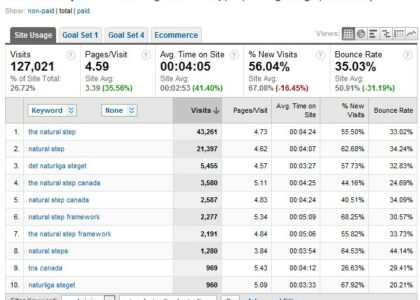
To enhance your website’s performance, it is recommended to leverage powerful tools such as Google Analytics or SEMrush for comprehensive analysis of website traffic and user behaviour. By utilising these tools, you can gain valuable insights into how users interact with your site, identify trends in visitor behaviour, and pinpoint areas for improvement. This data-driven approach allows you to make informed decisions to optimise your website effectively and enhance the overall user experience, ultimately driving better results for your online presence.
Regularly update website content to keep it fresh, engaging, and relevant for both users and search engines.
Regularly updating website content is a crucial aspect of website optimization analysis. By keeping your content fresh, engaging, and relevant, you not only provide value to your users but also signal to search engines that your site is active and up-to-date. This can lead to improved search engine rankings and increased visibility online. Additionally, fresh content can attract repeat visitors and encourage them to explore more of your website, ultimately enhancing user engagement and driving conversions. Keeping your content up-to-date ensures that your website remains competitive in the ever-evolving digital landscape.