
The Power of Website Analyzers
In today’s digital age, having a strong online presence is crucial for businesses of all sizes. A well-designed website not only attracts visitors but also converts them into customers. However, maintaining and improving a website’s performance can be a challenging task.
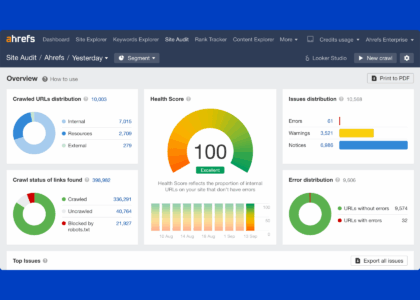
This is where website analyzers come into play. A website analyzer is a powerful tool that provides valuable insights into various aspects of a website, helping users identify areas for improvement and optimisation.
Key Features of Website Analyzers:
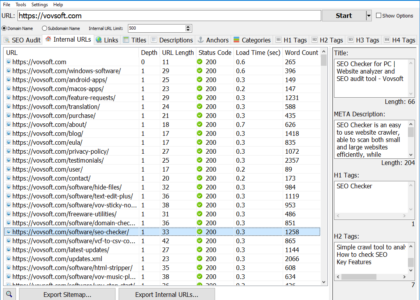
- SEO Analysis: Website analyzers evaluate a site’s search engine optimisation (SEO) performance, highlighting issues such as broken links, missing meta tags, and keyword density.
- Performance Metrics: These tools measure the speed and performance of a website, identifying factors that may be slowing it down.
- Mobile Compatibility: With the increasing use of mobile devices, website analyzers check if a site is mobile-friendly and responsive.
- Security Checks: They scan for vulnerabilities and security risks that could compromise the integrity of a website.
- User Experience Evaluation: Website analyzers assess user experience factors like navigation, readability, and accessibility.
The Benefits of Using Website Analyzers:
By utilising website analyzers, businesses can:
- Identify and fix technical issues that may affect search engine rankings.
- Enhance user experience by addressing usability issues.
- Optimise website performance for faster loading times and improved conversion rates.
- Maintain security by detecting vulnerabilities before they are exploited by malicious actors.
- Evaluate competitors’ websites to gain insights and stay ahead in the digital landscape.
In conclusion, website analyzers are indispensable tools for businesses looking to maximise their online presence. By leveraging the insights provided by these tools, organisations can enhance their websites’ performance, attract more visitors, and ultimately achieve their digital marketing goals with greater efficiency.
Maximise Your Website’s Potential: 7 Benefits of Using a Website Analyser
- Identifies SEO issues for improved search engine rankings.
- Highlights performance metrics to enhance website speed.
- Checks mobile compatibility for a seamless user experience on all devices.
- Scans for security vulnerabilities to protect the website from threats.
- Evaluates user experience factors for better engagement and retention.
- Provides actionable insights to optimise website performance and conversions.
- Helps businesses stay competitive by analysing and benchmarking against competitors.
Challenges of Website Analyzers: Navigating Data Overload, Limited Free Features, and Integration Issues
- May provide overwhelming amount of data, making it challenging to prioritise actions.
- Some website analyzers may have limited functionality in the free version, requiring a paid subscription for full access.
- Accuracy of recommendations may vary, leading to potential confusion or conflicting advice.
- Certain website analyzers may not offer detailed insights into specific niche areas or industries.
- Dependency on automated analysis may overlook nuanced issues that require manual review.
- Regular use of website analyzers can be time-consuming and may distract from other core business activities.
- Integration with existing systems or platforms could pose compatibility issues and require additional technical support.
Identifies SEO issues for improved search engine rankings.
A website analyzer plays a crucial role in enhancing a website’s search engine optimisation (SEO) by identifying and addressing issues that may be hindering its search engine rankings. By pinpointing SEO issues such as broken links, missing meta tags, and keyword density discrepancies, the website analyzer enables businesses to make necessary improvements that can significantly boost their visibility and ranking on search engine results pages. This proactive approach to SEO management not only enhances the website’s online presence but also increases its chances of attracting organic traffic and reaching a wider audience effectively.
Highlights performance metrics to enhance website speed.
One key advantage of using a website analyzer is its ability to highlight performance metrics that can significantly improve website speed. By identifying factors that may be slowing down a site, such as large image files or inefficient coding, businesses can take targeted actions to enhance loading times and overall user experience. This proactive approach not only boosts website performance but also contributes to higher visitor engagement and increased conversion rates, ultimately driving the success of the online platform.
Checks mobile compatibility for a seamless user experience on all devices.
Ensuring mobile compatibility is a crucial aspect of website development to provide a seamless user experience across all devices. By utilising a website analyzer that checks mobile compatibility, businesses can guarantee that their website is responsive and optimised for various screen sizes. This proactive approach not only enhances user satisfaction but also improves search engine rankings, as mobile-friendliness is a key factor in determining website visibility and performance. Ultimately, prioritising mobile compatibility through the use of website analyzers contributes to creating a positive and consistent user experience, leading to increased engagement and conversions.
Scans for security vulnerabilities to protect the website from threats.
One of the key advantages of using a website analyzer is its ability to scan for security vulnerabilities, helping to safeguard the website from potential threats. By identifying and highlighting security weaknesses such as outdated software, insecure connections, or vulnerable code, a website analyzer plays a crucial role in fortifying the site’s defences against cyber attacks and data breaches. This proactive approach to security not only protects sensitive information but also enhances user trust and confidence in the website’s reliability and integrity.
Evaluates user experience factors for better engagement and retention.
Website analyzers offer a valuable pro by evaluating user experience factors to enhance engagement and retention. By assessing aspects such as website navigation, readability, and accessibility, website analyzers help businesses create a more user-friendly online environment. Improving these factors not only increases user satisfaction but also encourages visitors to stay longer on the site, ultimately leading to higher engagement levels and improved customer retention rates.
Provides actionable insights to optimise website performance and conversions.
One significant advantage of using a website analyzer is its ability to offer actionable insights that can be utilised to enhance website performance and increase conversions. By providing detailed data and analysis on various aspects of a website, such as SEO, user experience, and performance metrics, a website analyzer enables businesses to identify specific areas for improvement. This targeted approach allows for strategic optimisation efforts that can lead to better user engagement, improved site speed, and ultimately, higher conversion rates.
Helps businesses stay competitive by analysing and benchmarking against competitors.
In today’s fiercely competitive digital landscape, one significant advantage of using a website analyzer is its ability to help businesses stay ahead by analysing and benchmarking against competitors. By comparing key performance metrics, design elements, SEO strategies, and user experience features with those of competitors, businesses can gain valuable insights into areas for improvement and innovation. This proactive approach enables companies to identify industry trends, adapt their strategies accordingly, and ultimately maintain a competitive edge in the market.
May provide overwhelming amount of data, making it challenging to prioritise actions.
One potential drawback of using a website analyzer is that it may generate an overwhelming amount of data, which can make it challenging for users to prioritise actions effectively. With an abundance of information and metrics to sift through, users may find it difficult to identify the most critical issues that require immediate attention. This can lead to decision paralysis and inefficiency in addressing key areas for website improvement. Therefore, while website analyzers offer valuable insights, users must exercise caution in managing and interpreting the data to ensure that they focus on actionable steps that will have the most significant impact on their website’s performance.
Some website analyzers may have limited functionality in the free version, requiring a paid subscription for full access.
Some website analyzers may present a drawback in their free versions by offering limited functionality, prompting users to opt for a paid subscription to unlock the tool’s full capabilities. This limitation can hinder users from accessing comprehensive insights and detailed analysis of their websites without incurring additional costs. As a result, individuals or businesses seeking in-depth evaluations and advanced features may find themselves constrained by the restrictions imposed by the free version of certain website analyzers.
Accuracy of recommendations may vary, leading to potential confusion or conflicting advice.
The accuracy of recommendations provided by website analyzers may vary, which can result in potential confusion or conflicting advice for users. Depending on the algorithms and criteria used by the analyzer, the suggestions offered may not always align with best practices or specific goals of a website. This inconsistency could lead to uncertainty among users about which recommendations to follow, ultimately hindering their ability to make informed decisions for improving their website’s performance.
Certain website analyzers may not offer detailed insights into specific niche areas or industries.
Certain website analyzers may fall short in providing detailed insights into specific niche areas or industries, limiting their effectiveness for businesses with unique requirements. While general website analyzers can offer valuable information on common metrics such as SEO performance and usability, they may lack the depth of analysis needed for specialised sectors. This limitation could hinder businesses operating in niche markets from fully optimising their websites and achieving targeted results tailored to their industry-specific needs.
Dependency on automated analysis may overlook nuanced issues that require manual review.
Dependency on automated analysis through website analyzers may lead to overlooking nuanced issues that demand manual review. While automated tools can efficiently scan and identify common issues, they may not always capture subtle details or context-specific elements that require human intervention. Nuanced aspects such as unique design considerations, complex user interactions, or specific branding requirements may be missed by automated analysis alone. Therefore, a balanced approach that combines automated scanning with thorough manual review is essential to ensure comprehensive website evaluation and optimal performance.
Regular use of website analyzers can be time-consuming and may distract from other core business activities.
Regular use of website analyzers can present a significant drawback as it can be time-consuming and divert attention from essential core business activities. Constantly monitoring and analysing website performance using these tools may consume valuable resources that could be better utilised in other critical areas of the business. While website analyzers offer valuable insights, striking a balance between optimising online presence and focusing on core business functions is crucial to ensure overall operational efficiency and success.
Integration with existing systems or platforms could pose compatibility issues and require additional technical support.
When considering the use of website analyzers, one significant drawback to be mindful of is the potential compatibility issues that may arise when integrating them with existing systems or platforms. This challenge could necessitate additional technical support and resources to ensure seamless integration and functionality. Addressing compatibility issues effectively becomes crucial to avoid disruptions in operations and maximise the benefits that website analyzers can offer in improving overall website performance and user experience.