
The Importance of Free SEO Content Analysis
Search Engine Optimization (SEO) is a crucial aspect of digital marketing that helps businesses improve their online visibility and attract more organic traffic. One key component of effective SEO is creating high-quality content that is not only engaging for users but also optimised for search engines. This is where free SEO content analysis tools play a vital role in helping website owners and marketers enhance their content strategy.
Understanding SEO Content Analysis
SEO content analysis involves evaluating the quality and effectiveness of your website’s content in relation to SEO best practices. By analysing various aspects such as keyword usage, readability, meta tags, and internal linking, you can identify areas for improvement and make data-driven decisions to boost your search engine rankings.
The Benefits of Free SEO Content Analysis Tools
Free SEO content analysis tools offer website owners and marketers valuable insights into how well their content is performing from an SEO perspective. These tools typically provide detailed reports on key metrics like keyword density, backlink quality, page speed, and mobile-friendliness, allowing users to identify strengths and weaknesses in their content strategy.
By leveraging free SEO content analysis tools, businesses can:
- Identify relevant keywords to target in their content
- Optimise meta tags and headings for better search engine visibility
- Improve overall readability and user experience
- Enhance on-page SEO elements such as alt text for images and internal linking structure
- Monitor the performance of their content over time and track improvements
Choosing the Right Tool for Your Needs
With a wide range of free SEO content analysis tools available online, it’s essential to choose one that aligns with your specific goals and requirements. Some popular tools include SEMrush, Moz’s On-Page Grader, Ahrefs’ Site Audit, and Yoast SEO plugin for WordPress. Each tool offers unique features and insights that can help you fine-tune your content strategy for optimal results.
In Conclusion
In today’s competitive digital landscape, effective SEO content analysis is essential for driving organic traffic to your website and improving your search engine rankings. By utilising free SEO content analysis tools to evaluate and enhance your content strategy, you can stay ahead of the curve and maximise the impact of your online presence.
Remember, investing time in analysing and optimising your content for search engines can lead to long-term success by attracting more qualified leads and increasing conversions. Take advantage of free SEO content analysis tools today to elevate your digital marketing efforts to new heights.
9 Essential Tips for Effective Free SEO Content Analysis
- 1. Use tools like SEMrush or Moz for comprehensive SEO content analysis.
- 2. Focus on keyword research to understand what users are searching for.
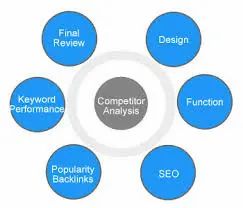
- 3. Analyse your competitors’ content to identify areas for improvement.
- 4. Optimize your meta tags, headings, and content with relevant keywords.
- 5. Ensure your content is high-quality, engaging, and provides value to readers.
- 6. Improve readability by using subheadings, bullet points, and short paragraphs.
- 7. Check for broken links and ensure proper internal linking within your content.
- 8. Monitor the performance of your content regularly and make adjustments as needed.
- 9. Stay updated with SEO trends and algorithm changes to adapt your strategy accordingly.
1. Use tools like SEMrush or Moz for comprehensive SEO content analysis.
To conduct a thorough SEO content analysis, it is recommended to utilise advanced tools such as SEMrush or Moz. These industry-leading platforms offer comprehensive insights into various aspects of your content strategy, including keyword optimisation, backlink quality, and on-page SEO elements. By leveraging tools like SEMrush or Moz, website owners and marketers can gain valuable data-driven recommendations to enhance their content’s performance and boost their search engine rankings effectively.
2. Focus on keyword research to understand what users are searching for.
When utilising free SEO content analysis tools, it is crucial to focus on keyword research to gain insights into what users are actively searching for. By understanding the specific keywords and phrases that resonate with your target audience, you can tailor your content to align with their search intent and preferences. This strategic approach not only enhances the relevance and visibility of your content but also increases the likelihood of attracting qualified organic traffic to your website. Effective keyword research is a fundamental step in optimising your content for search engines and ensuring that it resonates with users, ultimately driving better engagement and conversions.
3. Analyse your competitors’ content to identify areas for improvement.
Analysing your competitors’ content is a valuable strategy in free SEO content analysis. By examining the content produced by your competitors, you can gain insights into their strengths and weaknesses, identify trending topics, and discover opportunities for improvement in your own content strategy. This competitive analysis allows you to benchmark your performance against industry peers and adapt your approach to stand out in search engine results. By learning from your competitors’ successes and shortcomings, you can refine your content to better resonate with your target audience and enhance your overall SEO efforts.
4. Optimize your meta tags, headings, and content with relevant keywords.
To improve your website’s search engine visibility, it is essential to optimise your meta tags, headings, and content with relevant keywords. By strategically incorporating keywords that are relevant to your business or industry, you can signal to search engines what your content is about and increase the likelihood of ranking higher in search results. Ensure that your meta tags, including title tags and meta descriptions, accurately reflect the content on each page. Additionally, use headings (such as H1, H2 tags) to structure your content logically and include keywords where appropriate. By aligning your meta tags, headings, and content with relevant keywords, you can enhance the overall SEO performance of your website and attract more organic traffic.
5. Ensure your content is high-quality, engaging, and provides value to readers.
To maximise the effectiveness of free SEO content analysis, it is crucial to ensure that your content is of high quality, engaging, and offers genuine value to your readers. Search engines not only prioritise relevant keywords and technical optimisation but also favour content that resonates with users. By creating compelling and informative content that addresses the needs and interests of your target audience, you can enhance user engagement, encourage sharing, and ultimately improve your search engine rankings. Quality content not only boosts SEO performance but also establishes credibility and trust with your audience, leading to long-term relationships and loyalty.
6. Improve readability by using subheadings, bullet points, and short paragraphs.
To enhance the readability of your content and improve user engagement, consider incorporating subheadings, bullet points, and short paragraphs. By breaking down your content into digestible chunks with clear subheadings, you make it easier for readers to scan and navigate through the information. Bullet points can help highlight key points or lists, making the content more structured and skimmable. Additionally, using short paragraphs ensures that your text is concise and easy to follow, keeping readers’ attention and encouraging them to stay on your page longer. These simple formatting techniques not only benefit user experience but also contribute to better SEO performance by making your content more accessible to both users and search engines.
7. Check for broken links and ensure proper internal linking within your content.
Checking for broken links and ensuring proper internal linking within your content is a crucial aspect of free SEO content analysis. Broken links not only create a poor user experience but also negatively impact your website’s search engine rankings. By conducting regular checks and fixing any broken links, you can improve the overall usability of your site and enhance its credibility with both users and search engines. Additionally, implementing strategic internal linking helps search engines better understand the structure and relevance of your content, ultimately boosting your SEO efforts and driving more organic traffic to your website.
8. Monitor the performance of your content regularly and make adjustments as needed.
Monitoring the performance of your content regularly and making adjustments as needed is a crucial tip when it comes to free SEO content analysis. By tracking key metrics such as keyword rankings, organic traffic, bounce rates, and conversion rates, you can gain valuable insights into how well your content is resonating with your target audience and performing in search engine results. This proactive approach allows you to identify any underperforming content and make necessary tweaks to improve its visibility and effectiveness, ultimately helping you stay ahead in the competitive online landscape.
9. Stay updated with SEO trends and algorithm changes to adapt your strategy accordingly.
Staying updated with SEO trends and algorithm changes is crucial for adapting your content strategy effectively. Search engines continuously evolve their algorithms to provide users with the most relevant and high-quality content. By staying informed about the latest SEO trends and algorithm updates, you can adjust your approach to ensure that your content remains optimised for search engines, helping you maintain or improve your search engine rankings and drive organic traffic to your website. Keeping pace with these changes allows you to stay ahead of the competition and maximise the impact of your SEO efforts.