
The Benefits of Using a Free SEO Site
Search Engine Optimization (SEO) is crucial for improving the visibility of your website and driving organic traffic. While many businesses invest in professional SEO services, there are also free SEO sites that offer valuable tools and resources to enhance your online presence.
Cost-Effective Solution
One of the primary benefits of using a free SEO site is that it provides a cost-effective solution for businesses with limited budgets. These platforms offer various tools, such as keyword research, backlink analysis, and site audits, without requiring any financial investment.
Accessible to Everyone
Free SEO sites make essential SEO tools accessible to everyone, regardless of their level of expertise or budget constraints. Whether you are a small business owner, blogger, or marketing professional, these platforms enable you to improve your website’s performance without barriers.
Educational Resources
In addition to practical tools, free SEO sites often provide educational resources such as guides, tutorials, and blogs that can help you understand the fundamentals of SEO. By learning how search engines work and how to optimise your content effectively, you can empower yourself to make informed decisions for your website.
Quick Insights and Analysis
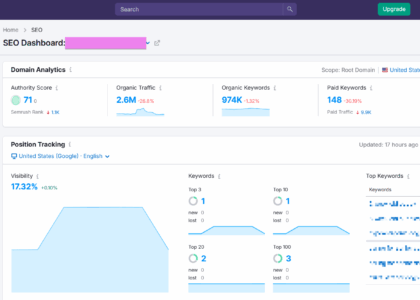
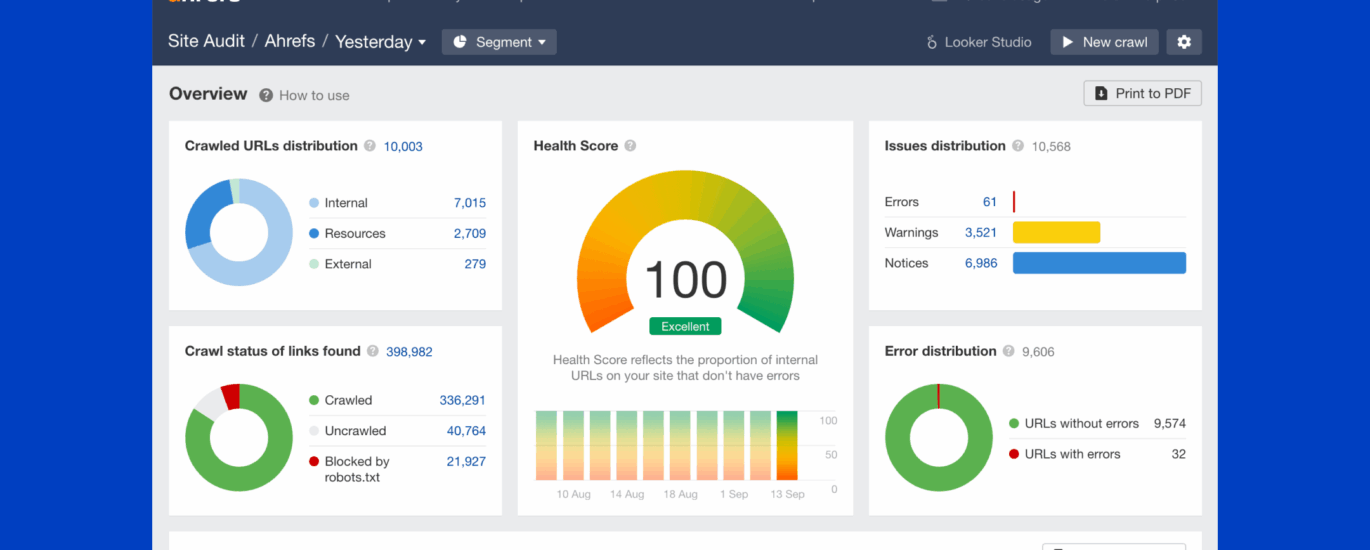
Free SEO sites offer quick insights and analysis of your website’s performance, allowing you to identify areas for improvement promptly. With features like site audits and competitor analysis tools, you can gain valuable information that can help you refine your SEO strategy for better results.
Stay Competitive
In today’s digital landscape, staying competitive online is essential for businesses of all sizes. By utilising free SEO sites to enhance your website’s visibility and ranking on search engines, you can level the playing field with larger competitors who invest in professional SEO services.
Conclusion
While professional SEO services have their advantages, free SEO sites offer a valuable alternative for businesses looking to improve their online presence without breaking the bank. By leveraging the tools and resources provided by these platforms, you can optimise your website for search engines and attract more organic traffic effectively.
8 Essential Tips for Boosting Your Website’s SEO Performance for Free
- 1. Regularly update your website with fresh and relevant content.
- 2. Use relevant keywords throughout your website’s content.
- 3. Optimize your website’s meta tags, including title tags and meta descriptions.
- 4. Improve your website’s loading speed for better user experience and SEO performance.
- 5. Utilize internal linking to help search engines navigate your site more effectively.
- 6. Create a sitemap to ensure all pages on your site are indexed by search engines.
- 7. Encourage quality backlinks from reputable websites to boost your site’s authority.
- 8. Monitor and analyse your site’s performance using tools like Google Analytics to make data-driven improvements.
1. Regularly update your website with fresh and relevant content.
To improve your website’s search engine ranking and attract more organic traffic, it is essential to regularly update your website with fresh and relevant content. Search engines favour websites that provide valuable and up-to-date information to users. By consistently adding new content that is relevant to your target audience, you not only demonstrate authority in your niche but also increase the chances of your website being discovered by potential visitors. Keeping your website updated with engaging and informative content can help boost its visibility and drive more traffic over time.
2. Use relevant keywords throughout your website’s content.
Utilising relevant keywords throughout your website’s content is a fundamental aspect of effective Search Engine Optimization (SEO). By incorporating keywords that accurately reflect your business, products, or services, you can improve your website’s visibility and relevance to search engines. Strategic placement of keywords in titles, headings, meta descriptions, and body content helps search engines understand the context of your pages and rank them higher in search results. Consistent use of relevant keywords not only enhances your SEO efforts but also ensures that your content resonates with your target audience, driving organic traffic to your site.
3. Optimize your website’s meta tags, including title tags and meta descriptions.
To enhance your website’s search engine visibility, it is essential to optimise your meta tags, including title tags and meta descriptions. These elements provide search engines with valuable information about the content of your web pages, influencing how they are displayed in search results. By crafting compelling and relevant title tags and meta descriptions that incorporate targeted keywords, you can improve click-through rates and attract more organic traffic to your site. Paying attention to these details on a free SEO site can have a significant impact on your website’s overall performance and ranking.
4. Improve your website’s loading speed for better user experience and SEO performance.
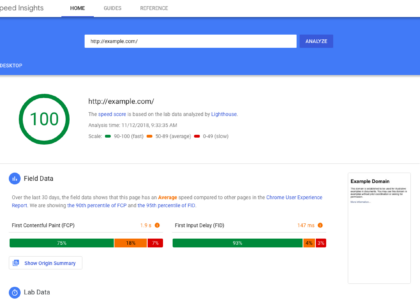
Improving your website’s loading speed is a crucial tip for enhancing both user experience and SEO performance. A fast-loading website not only provides visitors with a seamless browsing experience but also signals search engines that your site is reliable and user-friendly. By optimising your website’s loading speed, you can reduce bounce rates, increase user engagement, and improve your search engine rankings. Implementing strategies such as image compression, minimising server response time, and leveraging browser caching can significantly impact both the usability of your site and its visibility in search results.
5. Utilize internal linking to help search engines navigate your site more effectively.
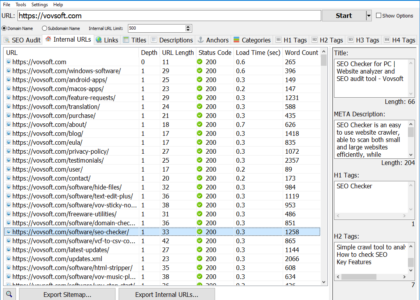
Utilizing internal linking is a valuable tip when using a free SEO site to enhance your website’s search engine optimisation. By strategically linking relevant pages within your site, you can help search engines navigate and understand the structure of your website more effectively. Internal links not only improve the user experience by guiding visitors to related content but also signal to search engines the importance and relevance of specific pages on your site. This practice can ultimately boost your site’s visibility and ranking in search engine results, making it easier for users to discover and engage with your content.
6. Create a sitemap to ensure all pages on your site are indexed by search engines.
Creating a sitemap is a crucial step in optimising your website for search engines. By generating a sitemap, you ensure that all pages on your site are easily discoverable and indexed by search engines. This not only helps search engine crawlers navigate your site more efficiently but also improves the overall visibility of your content online. A well-organised sitemap can enhance the user experience by providing a clear structure of your website’s content, ultimately leading to better search engine rankings and increased organic traffic.
7. Encourage quality backlinks from reputable websites to boost your site’s authority.
Encouraging quality backlinks from reputable websites is a crucial strategy to boost your site’s authority in search engine rankings. Backlinks act as a vote of confidence from other sites, indicating that your content is valuable and trustworthy. By earning backlinks from high-quality and relevant sources, you not only improve your site’s credibility but also increase its visibility to search engines. Focus on building relationships with reputable websites in your industry to establish a strong backlink profile that can significantly enhance your site’s SEO performance.
8. Monitor and analyse your site’s performance using tools like Google Analytics to make data-driven improvements.
Monitoring and analysing your site’s performance is a crucial step in enhancing your online presence. By utilising tools like Google Analytics, you can gain valuable insights into how users interact with your website, which pages are performing well, and where improvements are needed. This data-driven approach allows you to make informed decisions to optimise your site for better visibility and user experience, ultimately helping you achieve your SEO goals more effectively.