
The Importance of Digital Web Analytics
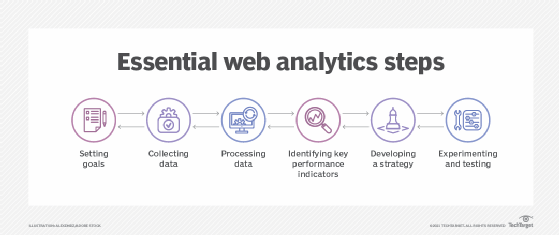
In today’s digital age, understanding the behaviour and preferences of online users is crucial for any business aiming to succeed. This is where digital web analytics comes into play. By leveraging data-driven insights, businesses can optimise their online presence and improve user experience.
What is Digital Web Analytics?
Digital web analytics refers to the measurement, collection, analysis, and reporting of internet data for the purpose of understanding and optimising web usage. It involves tracking various metrics such as page views, bounce rates, session durations, and conversion rates to gain insights into how users interact with a website.
Why is it Important?
Understanding user behaviour through digital web analytics allows businesses to make informed decisions. By identifying which pages attract the most visitors or which part of a website causes users to leave, companies can adjust their strategies accordingly. This leads to improved user engagement and higher conversion rates.
Enhancing User Experience
User experience is a critical factor in retaining visitors and converting them into customers. With web analytics tools, businesses can identify pain points in the user journey and make necessary adjustments to improve navigation and content delivery.
Optimising Marketing Strategies
Digital web analytics provides valuable insights into the effectiveness of marketing campaigns. By analysing traffic sources, businesses can determine which channels drive the most traffic and allocate resources more efficiently.
Key Metrics in Web Analytics
- Page Views: The total number of times a page has been viewed by visitors.
- Bounce Rate: The percentage of visitors who leave after viewing only one page.
- Session Duration: The average amount of time a visitor spends on the site during a single session.
- Conversion Rate: The percentage of visitors who complete a desired action on the site.
The Future of Digital Web Analytics
The field of digital web analytics continues to evolve with advancements in technology. Artificial intelligence (AI) and machine learning are increasingly being integrated into analytics tools to provide more accurate predictions and personalised experiences for users.
As businesses continue to embrace digital transformation, the importance of web analytics will only grow. By harnessing these insights effectively, companies can stay ahead in an ever-competitive landscape.
Understanding Digital Web Analytics: Key FAQs for Enhancing Business Strategies and User Experience
- What is digital web analytics?
- Why is digital web analytics important for businesses?
- What are the key metrics used in digital web analytics?
- How can digital web analytics help improve user experience?
- What role does artificial intelligence (AI) play in digital web analytics?
- How can businesses use insights from digital web analytics to enhance their marketing strategies?
What is digital web analytics?
Digital web analytics is the practice of measuring, collecting, analysing, and reporting data related to online user interactions with a website. It involves tracking various metrics such as page views, bounce rates, session durations, and conversion rates to gain valuable insights into user behaviour. By understanding how visitors engage with a website, businesses can make data-driven decisions to enhance user experience, optimise marketing strategies, and ultimately improve their online presence.
Why is digital web analytics important for businesses?
Digital web analytics is crucial for businesses as it provides valuable insights into the online behaviour of their target audience. By tracking and analysing key metrics such as website traffic, user engagement, and conversion rates, businesses can make data-driven decisions to enhance their online presence and drive growth. Understanding how users interact with a website allows companies to optimise their marketing strategies, improve user experience, and ultimately increase conversions. In today’s competitive digital landscape, leveraging digital web analytics is essential for businesses to stay relevant, make informed decisions, and achieve sustainable success.
What are the key metrics used in digital web analytics?
In digital web analytics, several key metrics play a crucial role in providing insights into website performance and user behaviour. These metrics include page views, which indicate the total number of times a page has been viewed by visitors; bounce rate, which measures the percentage of visitors who leave after viewing only one page; session duration, representing the average time visitors spend on the site during a single session; and conversion rate, which shows the percentage of visitors who complete a desired action on the site. By monitoring and analysing these key metrics, businesses can gain valuable information to optimise their online presence and enhance user experience effectively.
How can digital web analytics help improve user experience?
Digital web analytics plays a crucial role in enhancing user experience by providing valuable insights into how visitors interact with a website. By tracking metrics such as page views, bounce rates, and session durations, businesses can identify areas for improvement and optimisation. Understanding user behaviour allows companies to tailor their website content and navigation to better meet the needs and preferences of their audience. By leveraging digital web analytics data, businesses can make informed decisions that lead to a more intuitive and engaging user experience, ultimately increasing user satisfaction and driving conversions.
What role does artificial intelligence (AI) play in digital web analytics?
Artificial intelligence (AI) plays a transformative role in digital web analytics by enhancing the ability to process and interpret vast amounts of data with greater accuracy and speed. AI algorithms can identify patterns and trends that may not be immediately apparent to human analysts, providing deeper insights into user behaviour and preferences. Through machine learning, AI can predict future user actions, allowing businesses to personalise content and marketing strategies more effectively. Additionally, AI-driven analytics tools can automate routine tasks, such as generating reports and alerts, freeing up valuable time for analysts to focus on strategic decision-making. Overall, AI significantly enhances the capabilities of digital web analytics by offering more precise, actionable insights that drive improved business outcomes.
How can businesses use insights from digital web analytics to enhance their marketing strategies?
Businesses can leverage insights from digital web analytics to enhance their marketing strategies in several ways. By analysing data on user behaviour, traffic sources, and conversion rates, businesses can identify the most effective marketing channels and campaigns. This allows them to allocate resources more efficiently and focus on strategies that yield the best results. Additionally, understanding user preferences and interactions with a website enables businesses to tailor their messaging and content to better resonate with their target audience. Overall, utilising insights from digital web analytics empowers businesses to make data-driven decisions that optimise their marketing efforts for improved engagement and conversion rates.