
The Best SEO Analysis Tools for Optimising Your Website
Search Engine Optimization (SEO) is crucial for improving your website’s visibility and driving organic traffic. To enhance your SEO strategy, you need to utilise powerful analysis tools that provide valuable insights into your website’s performance. Here are some of the best SEO analysis tools that can help you optimise your website effectively:
Google Search Console
Google Search Console is a free tool provided by Google that helps you monitor and improve your site’s presence in Google search results. It offers valuable data on keywords, backlinks, indexing status, and more.
SEMrush
SEMrush is a comprehensive SEO tool that provides in-depth analysis of your website’s performance. It offers features such as keyword research, site audit, backlink analysis, and competitor research to help you refine your SEO strategy.
Ahrefs
Ahrefs is a popular SEO tool known for its robust backlink analysis capabilities. It also offers keyword research, content analysis, and site audit features to help you identify areas for improvement and stay ahead of the competition.
Moz Pro
Moz Pro is a suite of SEO tools that includes features like keyword research, site audits, rank tracking, and link building insights. It provides actionable recommendations to boost your website’s search engine rankings.
Screaming Frog SEO Spider
Screaming Frog SEO Spider is a powerful desktop tool that crawls your website to identify technical issues affecting its SEO performance. It provides detailed reports on broken links, duplicate content, page titles, meta descriptions, and more.
By leveraging these top SEO analysis tools, you can gain valuable insights into your website’s performance and make informed decisions to enhance its visibility in search engine results pages. Invest in the right tools and optimise your website effectively to drive organic traffic and achieve better search engine rankings.
Top 21 FAQs on Choosing the Best SEO Tools and Strategies
- Which is the best SEO tool?
- What is the best SEO tool in 2022?
- What is the most effective SEO?
- How do I analyze my SEO?
- What is the best SEO strategy?
- What are the top 3 SEO strategies?
- What are your top 5 SEO recommendations?
- How to get 100% SEO?
- Which is the best tool for SEO audit?
- What are the 3 pillars of SEO?
- How do I get the best results from SEO?
- What is the most accurate SEO tool?
- Which tool is better for checking SEO score?
- What tool is used for SEO analysis?
- What is SEO analysis tool?
- Which category of SEO is best?
- Which is the most accurate SEO tool?
- What is the best website for SEO analysis?
- How do I get the best SEO results?
- Is 70 a good SEO score?
- What is the best approach to SEO?
Which is the best SEO tool?
When it comes to determining the best SEO tool, the answer can vary depending on individual needs and preferences. There are several top SEO tools available in the market, each offering unique features and capabilities to enhance website optimisation. Popular choices include Google Search Console for its comprehensive data insights, SEMrush for its all-in-one SEO suite, Ahrefs for robust backlink analysis, Moz Pro for actionable recommendations, and Screaming Frog SEO Spider for detailed technical audits. Ultimately, the best SEO tool is one that aligns with your specific requirements and helps you achieve your search engine optimisation goals effectively.
What is the best SEO tool in 2022?
In 2022, determining the best SEO tool can be subjective and dependent on specific needs and goals. However, several top SEO tools have consistently proven their effectiveness in helping website owners improve their search engine rankings and visibility. Tools such as SEMrush, Ahrefs, Moz Pro, Google Search Console, and Screaming Frog SEO Spider are widely regarded as among the best in the industry for providing comprehensive analysis of website performance, keyword research, backlink insights, site audits, and competitor research. Choosing the best SEO tool for 2022 involves considering factors such as budget, features required, user-friendliness, and overall compatibility with your SEO strategy to achieve optimal results.
What is the most effective SEO?
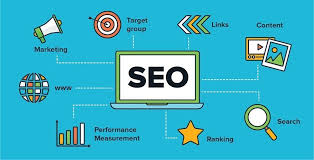
When it comes to achieving the most effective SEO strategy, it is essential to focus on a combination of factors that work together to enhance your website’s visibility and ranking in search engine results. The most effective SEO encompasses elements such as high-quality content creation, strategic keyword research, on-page optimisation, backlink building, mobile-friendliness, site speed optimisation, and user experience enhancement. By implementing a holistic approach that addresses these key aspects of SEO, you can create a strong foundation for improving your website’s search engine performance and driving organic traffic. Regular monitoring, analysis using top SEO tools, and adapting to algorithm changes are also crucial for maintaining and continuously improving the effectiveness of your SEO efforts.
How do I analyze my SEO?
To analyse your SEO effectively, start by conducting a comprehensive audit of your website. This involves assessing key elements such as keyword usage, backlink profile, site speed, mobile-friendliness, and content quality. Utilise reputable SEO analysis tools like Google Search Console, SEMrush, Ahrefs, Moz Pro, and Screaming Frog SEO Spider to gather data and insights on your website’s performance. Identify areas for improvement based on the analysis results and create an action plan to optimise your SEO strategy. Regularly monitor your website’s progress, track keyword rankings, analyse traffic trends, and adjust your tactics accordingly to enhance your search engine visibility and drive organic traffic to your site.
What is the best SEO strategy?
When considering the best SEO strategy, it is essential to focus on a holistic approach that encompasses various key elements. Firstly, conducting thorough keyword research to identify relevant and high-traffic keywords is crucial for targeting the right audience. Optimising on-page elements such as meta tags, headings, and content with these keywords can help improve your website’s visibility in search engine results. Additionally, building high-quality backlinks from reputable websites can enhance your site’s authority and credibility in the eyes of search engines. Regularly monitoring and analysing your website’s performance using SEO tools can provide valuable insights for refining and adjusting your strategy over time. Ultimately, a combination of technical optimisation, content quality, user experience, and off-page factors contribute to a successful SEO strategy that drives organic traffic and improves search engine rankings.
What are the top 3 SEO strategies?
When considering the top 3 SEO strategies, it is essential to focus on content quality, keyword optimisation, and backlink building. Firstly, creating high-quality and relevant content that resonates with your target audience is key to improving search engine rankings. Secondly, conducting thorough keyword research and strategically incorporating these keywords into your content helps search engines understand the relevance of your website to user queries. Lastly, building a strong backlink profile by acquiring quality inbound links from reputable websites enhances your website’s authority and credibility in the eyes of search engines, ultimately boosting your SEO performance. By implementing these three core strategies effectively, you can enhance your website’s visibility and attract organic traffic for sustainable growth.
What are your top 5 SEO recommendations?
When it comes to enhancing your website’s SEO performance, implementing the right strategies is crucial. Here are our top 5 SEO recommendations to boost your website’s visibility and drive organic traffic:
Conduct thorough keyword research to identify relevant and high-traffic keywords that align with your content.
Optimise on-page elements such as meta titles, descriptions, headings, and image alt text to improve search engine visibility.
Create high-quality, engaging content that provides value to your audience and encourages backlinks from reputable websites.
Build a strong backlink profile by acquiring quality backlinks from authoritative websites in your industry.
5. Regularly monitor and analyse your website’s performance using SEO analysis tools to identify areas for improvement and track progress towards achieving your SEO goals. By following these recommendations, you can enhance your website’s SEO effectiveness and attract more organic traffic.
How to get 100% SEO?
Achieving 100% SEO perfection is a common goal for many website owners, but it’s important to understand that SEO is an ongoing process rather than a one-time task. To get closer to the ideal of 100% SEO, focus on creating high-quality, relevant content that addresses the needs of your target audience. Conduct thorough keyword research and optimise your website’s meta tags, headings, and image alt text with these keywords. Ensure your site’s structure is user-friendly and mobile-responsive for a seamless browsing experience. Regularly monitor your site’s performance using SEO analysis tools to identify areas for improvement and make necessary adjustments to enhance your search engine visibility. While achieving 100% SEO may be challenging, continuous effort and strategic implementation of best practices can significantly boost your website’s ranking and organic traffic over time.
Which is the best tool for SEO audit?
When it comes to conducting a comprehensive SEO audit, there are several top tools available that can help analyse and improve your website’s search engine performance. Among the best tools for SEO audit, SEMrush stands out as a popular choice due to its extensive features like keyword research, site audits, backlink analysis, and competitor insights. Another highly recommended tool is Ahrefs, known for its robust backlink analysis capabilities and comprehensive SEO functionalities. Additionally, Google Search Console is a valuable free tool provided by Google that offers essential data on keywords, indexing status, and more. Each of these tools brings unique strengths to the table, making them effective options for conducting a thorough SEO audit to enhance your website’s visibility and ranking in search engine results.
What are the 3 pillars of SEO?
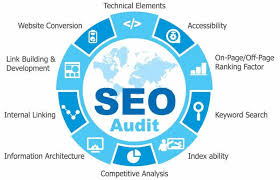
The three pillars of SEO, essential for a successful search engine optimisation strategy, consist of on-page SEO, off-page SEO, and technical SEO. On-page SEO focuses on optimising individual web pages to improve their search engine rankings by incorporating relevant keywords, high-quality content, meta tags, and internal linking. Off-page SEO involves building a strong backlink profile through external links from reputable websites to enhance the site’s authority and credibility. Technical SEO deals with the website’s infrastructure and performance aspects, such as site speed, mobile-friendliness, crawlability, and structured data markup, ensuring that search engines can easily index and rank the site’s content. Mastering these three pillars is key to achieving long-term success in improving a website’s visibility and organic traffic through effective SEO practices.
How do I get the best results from SEO?
To achieve the best results from SEO, it is essential to follow a strategic and comprehensive approach. Start by conducting thorough keyword research to identify relevant and high-traffic keywords for your website. Optimise your website’s on-page elements, including meta tags, headings, and content, with these keywords to improve its visibility in search engine results. Focus on creating high-quality, engaging content that provides value to your audience and encourages organic backlinks. Regularly monitor your website’s performance using SEO analysis tools to track progress, identify areas for improvement, and make data-driven decisions. By consistently implementing best practices and staying updated on SEO trends, you can enhance your website’s search engine rankings and drive organic traffic effectively.
What is the most accurate SEO tool?
When it comes to determining the most accurate SEO tool, it is essential to consider various factors such as the specific needs of your website, the depth of analysis required, and the reliability of data provided. While there are several reputable SEO tools available in the market, each excelling in different areas, it is challenging to pinpoint a single tool as the most accurate universally. The accuracy of an SEO tool often depends on its ability to deliver precise data insights, comprehensive analysis features, and up-to-date information tailored to your SEO goals. Conducting thorough research, testing different tools, and selecting one that aligns best with your requirements will help you identify the most accurate SEO tool for your website optimisation efforts.
Which tool is better for checking SEO score?
When it comes to determining the best tool for checking SEO score, the choice largely depends on individual preferences and specific needs. Some popular options include Google Search Console, SEMrush, Ahrefs, Moz Pro, and Screaming Frog SEO Spider. Each tool offers unique features and insights that can help analyse SEO performance effectively. It is advisable to explore different tools and select the one that aligns best with your website’s requirements and objectives to obtain accurate and actionable data for improving SEO strategies.
What tool is used for SEO analysis?
When it comes to conducting SEO analysis, various tools are available to help businesses and website owners optimise their online presence. Some of the most commonly used tools for SEO analysis include Google Search Console, SEMrush, Ahrefs, Moz Pro, and Screaming Frog SEO Spider. These tools offer a range of features such as keyword research, backlink analysis, site audits, and competitor insights to provide valuable data and recommendations for improving website visibility and search engine rankings. By utilising these tools effectively, businesses can gain a deeper understanding of their website’s performance and implement strategies to enhance their SEO efforts successfully.
What is SEO analysis tool?
An SEO analysis tool is a software application designed to evaluate and assess various aspects of a website’s search engine optimisation (SEO) performance. These tools provide valuable insights into key metrics such as keyword rankings, backlink profiles, site speed, content quality, and more. By using an SEO analysis tool, website owners and digital marketers can identify areas for improvement, track progress over time, and make data-driven decisions to enhance their website’s visibility in search engine results. These tools play a crucial role in helping businesses understand how well their website is optimised for search engines and implement strategies to improve their online presence effectively.
Which category of SEO is best?
When considering the best category of SEO, it is essential to understand that each aspect plays a crucial role in enhancing a website’s visibility and performance. On-page SEO focuses on optimising individual web pages to improve search engine rankings, while off-page SEO involves strategies such as link building to establish a website’s authority and credibility. Technical SEO ensures that a website is easily accessible and indexable by search engines. Ultimately, the best category of SEO depends on the specific goals and needs of a website. A well-rounded approach that incorporates all three categories is often recommended to achieve comprehensive and sustainable results in improving search engine rankings and driving organic traffic.
Which is the most accurate SEO tool?
When it comes to determining the most accurate SEO tool, it’s essential to consider various factors such as the specific needs of your website, the depth of analysis required, and your budget constraints. While there are several reputable SEO tools available in the market, each with its strengths and capabilities, determining the “most accurate” tool can be subjective. Tools like SEMrush, Ahrefs, Moz Pro, and Google Search Console are widely regarded for their accuracy in providing valuable insights into website performance. However, it’s crucial to test different tools and assess how well they align with your SEO goals to determine which one best meets your requirements for accuracy and effectiveness in optimising your website.
What is the best website for SEO analysis?
When it comes to determining the best website for SEO analysis, several factors come into play. The choice often depends on individual needs and preferences. However, some popular and highly recommended websites for SEO analysis include Google Search Console, SEMrush, Ahrefs, Moz Pro, and Screaming Frog SEO Spider. Each of these tools offers unique features and insights to help users improve their website’s search engine optimisation performance. It is advisable to explore multiple options and choose the one that aligns best with your specific requirements and goals for enhancing your website’s visibility and ranking on search engine results pages.
How do I get the best SEO results?
To achieve the best SEO results, it is essential to implement a comprehensive strategy that combines various elements of search engine optimisation. Start by conducting thorough keyword research to identify relevant and high-traffic keywords for your content. Optimise your website’s on-page elements, such as meta tags, headings, and content, to align with these keywords. Focus on creating high-quality, engaging content that provides value to your audience and encourages organic sharing and backlinking. Regularly monitor your website’s performance using SEO analysis tools to track progress, identify areas for improvement, and stay ahead of algorithm changes. By consistently refining your SEO strategy based on data-driven insights and industry best practices, you can maximise your chances of achieving top search engine rankings and driving organic traffic to your website.
Is 70 a good SEO score?
When considering whether a score of 70 is good for SEO analysis, it’s important to understand that SEO scores can vary depending on the tool used and the specific metrics being measured. In general, a score of 70 out of 100 can be considered decent, indicating that there is room for improvement in certain areas of your website’s SEO performance. It’s essential to delve deeper into the specifics of the score, such as keyword rankings, backlink quality, site speed, and content optimisation, to determine where enhancements can be made to boost your overall SEO effectiveness. Regular monitoring and adjustment based on detailed analysis are key to achieving and maintaining a strong SEO presence online.
What is the best approach to SEO?
When it comes to SEO, the best approach is a comprehensive and strategic one that considers various aspects of search engine optimisation. It involves conducting thorough keyword research to target relevant terms, creating high-quality and engaging content that resonates with your audience, optimizing on-page elements such as meta tags and headings, building a strong backlink profile from reputable sources, and ensuring technical aspects of your website are in line with search engine guidelines. Regular monitoring, analysis, and adaptation based on data insights are also key components of a successful SEO strategy. By taking a holistic approach that combines these elements effectively, businesses can enhance their online visibility, attract organic traffic, and improve their search engine rankings over time.