
The Importance of SEO Competitor Analysis in Digital Marketing
Search Engine Optimization (SEO) competitor analysis is a crucial aspect of any digital marketing strategy. By evaluating and understanding your competitors’ SEO tactics, you can gain valuable insights that help you improve your own website’s performance and outrank them in search engine results.
Key Benefits of SEO Competitor Analysis:
- Identifying Strengths and Weaknesses: By analysing your competitors’ SEO strategies, you can identify what they are doing well and where they may be falling short. This information allows you to capitalise on their weaknesses and leverage your strengths.
- Discovering Keyword Opportunities: Through competitor analysis, you can uncover valuable keywords that your competitors are ranking for. This helps you refine your own keyword strategy and target high-traffic keywords that are relevant to your business.
- Evaluating Backlink Profiles: Backlinks play a significant role in SEO rankings. Analysing your competitors’ backlink profiles can help you identify potential link-building opportunities and improve the authority of your website.
- Monitoring Trends and Changes: Keeping an eye on your competitors’ SEO activities allows you to stay informed about industry trends and changes in search engine algorithms. This knowledge enables you to adapt your strategy accordingly and stay ahead of the competition.
How to Conduct Effective SEO Competitor Analysis:
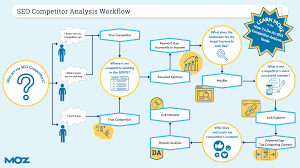
To perform a comprehensive SEO competitor analysis, consider the following steps:
- Identify Your Competitors: Determine who your main competitors are in the online space and focus on analysing their SEO strategies.
- Analyse Keywords: Identify the keywords your competitors are targeting and evaluate their search volume, relevance, and competitiveness.
- Evaluate Content Strategy: Review the type of content your competitors are producing, its quality, engagement levels, and how it aligns with their target audience.
- Assess Backlink Profiles: Analyse the quality and quantity of backlinks pointing to your competitors’ websites to identify potential link-building opportunities for your site.
- Monitor Performance Metrics: Track key performance indicators (KPIs) such as organic traffic, keyword rankings, domain authority, and conversion rates to measure the effectiveness of your SEO efforts compared to your competitors.
In conclusion, conducting regular SEO competitor analysis is essential for staying competitive in the digital landscape. By gaining insights into what works for your rivals and leveraging that knowledge to enhance your own SEO strategy, you can improve visibility, attract more organic traffic, and ultimately achieve better results in search engine rankings.
Comprehensive Guide to Frequently Asked Questions on SEO Competitor Analysis
- How do you perform a SEO competitor analysis?
- What are the 4 P’s of competitor analysis?
- What are SEO top competitors?
- How do you run a competitor analysis for SEO?
- How do you Analyse SEO competitors?
- Why is SEO competitor analysis important?
- What is competitors analysis for SEO?
- How does SEO compare to competitors?
- How do I find competitors for SEO?
- Can you use Google Analytics for competitor analysis?
- How to do SEO competitor analysis for free?
- How do I find my SEO keyword competitors?
- What are the 4 competitor analysis?
- How are SEO competitors determined?
- What can we learn from SEO competitor analysis?
- How do I find my SEO competitors?
- Why is competitor analysis important for SEO?
- How do you do competitor analysis tools in SEO?
- What are the 5 steps to Analyse your competitor?
- What does SEO competition mean?
- How do you identify SEO competitors?
How do you perform a SEO competitor analysis?
Performing a comprehensive SEO competitor analysis involves several key steps to gain valuable insights into your competitors’ strategies and improve your own SEO performance. Firstly, identify your main online competitors and focus on analysing their SEO tactics. Next, evaluate the keywords they are targeting, considering search volume, relevance, and competitiveness. Analyse their content strategy to understand the type of content they produce and how it resonates with their audience. Assess their backlink profiles to identify potential link-building opportunities for your website. Lastly, monitor performance metrics such as organic traffic, keyword rankings, domain authority, and conversion rates to measure the effectiveness of your SEO efforts compared to your competitors. By following these steps diligently, you can refine your SEO strategy and stay ahead in the competitive digital landscape.
What are the 4 P’s of competitor analysis?
In the realm of SEO competitor analysis, the 4 P’s refer to the key pillars that form the foundation of a comprehensive evaluation of competitors’ strategies. These include Product (examining competitors’ offerings and features), Price (analysing pricing strategies and positioning), Promotion (assessing marketing tactics and channels used), and Placement (evaluating distribution channels and market reach). By delving into these aspects, businesses can gain valuable insights into their competitors’ strengths and weaknesses, enabling them to fine-tune their own SEO strategies for greater success in the competitive digital landscape.
What are SEO top competitors?
In the realm of SEO competitor analysis, the term “SEO top competitors” refers to the websites or online entities that consistently rank highly for relevant keywords in search engine results pages. These competitors are often industry leaders or prominent players in a specific niche, commanding a significant share of organic search traffic. Identifying and analysing SEO top competitors is crucial for understanding the competitive landscape, benchmarking performance metrics, and devising strategies to enhance your own website’s visibility and rankings in search engine results. By studying the tactics and strengths of these top competitors, businesses can gain valuable insights to refine their SEO strategies and improve their online presence.
How do you run a competitor analysis for SEO?
To run a competitor analysis for SEO effectively, start by identifying your main competitors in the online space. Analyse their website’s keywords, content strategy, and backlink profiles to gain insights into their SEO tactics. Evaluate the keywords they are targeting, the quality of their content, and the quantity and quality of backlinks pointing to their site. Monitor key performance metrics such as organic traffic, keyword rankings, and domain authority to measure their SEO success. By conducting a thorough analysis of your competitors’ strategies and performance, you can identify opportunities to improve your own SEO efforts and enhance your website’s visibility in search engine results.
How do you Analyse SEO competitors?
Analyzing SEO competitors involves a strategic approach to understanding and evaluating the digital marketing tactics employed by rival websites to improve search engine rankings. To effectively analyse SEO competitors, one must identify key competitors in the online space, assess their keyword strategies, evaluate their content quality and relevance, analyse their backlink profiles for link-building opportunities, and monitor performance metrics such as organic traffic and keyword rankings. By conducting a thorough analysis of SEO competitors, businesses can gain valuable insights to refine their own SEO strategies, enhance visibility in search engine results pages, and ultimately gain a competitive edge in the digital landscape.
Why is SEO competitor analysis important?
Understanding the importance of SEO competitor analysis is crucial for any business looking to enhance its online visibility and performance. By delving into the strategies and tactics employed by competitors, businesses can gain valuable insights into what works well in their industry and identify areas for improvement within their own SEO efforts. This analysis helps businesses uncover valuable keywords, backlink opportunities, content strategies, and industry trends that can be leveraged to refine their own SEO strategy and stay ahead of the competition. Ultimately, SEO competitor analysis empowers businesses to make informed decisions, optimise their online presence, and achieve better search engine rankings in a competitive digital landscape.
What is competitors analysis for SEO?
Competitor analysis for SEO involves the process of evaluating and studying the strategies and tactics employed by rival websites to improve their search engine rankings. By conducting a thorough examination of competitors’ SEO efforts, businesses can gain valuable insights into keyword targeting, content creation, backlink profiles, and overall online visibility. This analysis helps in identifying opportunities for improvement, refining SEO strategies, and ultimately enhancing the website’s performance to outperform competitors in search engine results pages.
How does SEO compare to competitors?
When comparing SEO to competitors, it involves analysing various aspects of their search engine optimisation strategies to gain insights into their strengths and weaknesses. By evaluating factors such as keyword targeting, content quality, backlink profiles, and overall website performance, businesses can assess how their SEO efforts measure up against those of their rivals. This comparison allows them to identify opportunities for improvement, refine their strategies, and ultimately strive for better search engine rankings and online visibility in a competitive digital landscape.
How do I find competitors for SEO?
To identify competitors for SEO analysis, start by conducting a thorough search using relevant keywords related to your industry or niche. Look at the websites that appear in the top search results for these keywords as they are likely to be your direct competitors. Utilise tools such as SEMrush, Ahrefs, or Moz to gather insights on competitor websites, including their organic rankings, backlink profiles, and top-performing keywords. Additionally, analyse social media platforms and industry directories to identify other players in your space. By employing a combination of manual research and SEO tools, you can effectively pinpoint your competitors and begin the process of comprehensive SEO competitor analysis to refine your own digital marketing strategy.
Can you use Google Analytics for competitor analysis?
When it comes to SEO competitor analysis, Google Analytics can be a valuable tool for gaining insights into your own website’s performance and user behaviour. However, using Google Analytics for direct competitor analysis may have limitations as it does not provide data on other websites. To effectively analyse competitors’ website metrics such as traffic sources, user demographics, and engagement levels, specialised tools like SEMrush or Ahrefs are more suitable. These tools offer comprehensive data on competitors’ SEO strategies, keywords, backlinks, and overall online presence, allowing you to make informed decisions to enhance your own SEO efforts and stay ahead in the digital landscape.
How to do SEO competitor analysis for free?
To conduct SEO competitor analysis for free, there are several tools and methods available that can help you gain valuable insights into your competitors’ strategies. Start by utilising free tools like Google Search and Google Trends to identify your main competitors and analyse their keyword rankings. You can also leverage tools such as SEMrush’s free version, Moz’s Open Site Explorer, or Ahrefs’ free backlink checker to evaluate their backlink profiles and content strategies. Additionally, monitoring social media platforms and industry forums can provide valuable information about your competitors’ online presence and engagement levels. By combining these free resources effectively, you can gather essential data to inform your own SEO strategy and stay competitive in the digital landscape.
How do I find my SEO keyword competitors?
To identify your SEO keyword competitors, start by conducting thorough keyword research to determine the primary keywords relevant to your business or industry. Once you have a list of target keywords, use SEO tools such as SEMrush, Ahrefs, or Moz to analyse the search engine results pages (SERPs) for those keywords. Look for websites that consistently rank high for the same keywords you are targeting. These websites are likely to be your SEO keyword competitors. Additionally, analyse their content strategy, backlink profiles, and overall SEO performance to gain valuable insights into their tactics and strategies. By understanding who your SEO keyword competitors are and how they approach search engine optimisation, you can refine your own strategy to improve rankings and stay competitive in the online landscape.
What are the 4 competitor analysis?
When it comes to SEO competitor analysis, there are four key aspects that businesses should focus on to gain a competitive edge. These include identifying competitors in the online space, analysing their targeted keywords and content strategies, evaluating their backlink profiles, and monitoring performance metrics such as organic traffic and keyword rankings. By delving into these four areas, businesses can gather valuable insights to refine their own SEO strategies, enhance visibility in search engine results, and ultimately outperform their competitors in the digital landscape.
How are SEO competitors determined?
Determining SEO competitors involves identifying websites that compete with yours for visibility in search engine results pages. SEO competitors are not necessarily direct business competitors but rather websites targeting similar keywords and audience demographics. Factors such as keyword overlap, search engine rankings, organic traffic volume, and backlink profiles are used to determine SEO competitors. By analysing these factors, businesses can gain valuable insights into their competitive landscape and adjust their SEO strategies to improve performance and outrank their rivals in search engine results.
What can we learn from SEO competitor analysis?
Through SEO competitor analysis, businesses can gain valuable insights that inform their own digital marketing strategies. By examining competitors’ SEO tactics, companies can identify strengths and weaknesses in their approach, discover new keyword opportunities, evaluate backlink profiles for potential link-building strategies, and stay informed about industry trends and algorithm changes. This analysis enables businesses to refine their SEO strategies, improve website performance, target high-traffic keywords effectively, enhance content quality and relevance, and ultimately outperform competitors in search engine rankings. By learning from SEO competitor analysis, businesses can adapt and evolve their digital marketing efforts to achieve greater visibility and success online.
How do I find my SEO competitors?
To identify your SEO competitors, start by conducting a search using relevant keywords that are central to your business or industry. Analyse the websites that appear on the first page of search engine results for those keywords, as they are likely to be your primary competitors in terms of SEO. Additionally, tools such as SEMrush, Ahrefs, and Moz’s Link Explorer can provide valuable insights into which websites are ranking for similar keywords and attracting organic traffic. By researching and monitoring these key players in your digital landscape, you can gain a clearer understanding of who your SEO competitors are and tailor your strategy accordingly to improve your online visibility and performance.
Why is competitor analysis important for SEO?
Understanding the importance of competitor analysis for SEO is crucial in today’s digital landscape. By conducting thorough competitor analysis, businesses can gain valuable insights into their competitors’ strategies, strengths, and weaknesses. This information allows them to identify opportunities for improvement, refine their own SEO tactics, and ultimately enhance their online visibility and search engine rankings. By keeping a close eye on what competitors are doing in the SEO space, businesses can adapt and evolve their strategies to stay ahead of the competition and achieve sustainable growth in organic search traffic.
How do you do competitor analysis tools in SEO?
When it comes to performing competitor analysis in SEO, utilising dedicated tools can streamline the process and provide valuable insights. Competitor analysis tools in SEO typically allow you to compare key metrics such as keyword rankings, backlink profiles, domain authority, and organic traffic data between your website and your competitors’. These tools can help identify areas of opportunity, uncover competitor strategies that are driving success, and inform your own SEO strategy. By leveraging the capabilities of such tools, digital marketers can gain a competitive edge in the online landscape by making data-driven decisions based on thorough analysis of their competitors’ online presence.
What are the 5 steps to Analyse your competitor?
To effectively analyse your competitors in SEO, it is essential to follow a structured approach. The five key steps to conduct a comprehensive competitor analysis include identifying your main competitors in the online landscape, analysing their targeted keywords to understand their SEO strategy, evaluating their content quality and relevance, assessing their backlink profiles for potential link-building opportunities, and monitoring performance metrics such as organic traffic and keyword rankings to measure the effectiveness of your SEO efforts compared to your competitors. By systematically following these steps, you can gain valuable insights into your rivals’ strategies and leverage that knowledge to enhance your own SEO performance and achieve better results in search engine rankings.
What does SEO competition mean?
SEO competition refers to the analysis and evaluation of the strategies and tactics used by competitors in the realm of Search Engine Optimization (SEO). By understanding what your competitors are doing to improve their search engine rankings, target specific keywords, acquire backlinks, and create compelling content, you can gain valuable insights to enhance your own SEO efforts. SEO competition involves identifying strengths and weaknesses in your competitors’ strategies, discovering keyword opportunities that can benefit your website, evaluating backlink profiles to build authority, and staying informed about industry trends to stay ahead in the competitive online landscape. Conducting thorough SEO competitor analysis allows you to refine your approach, increase visibility in search results, attract more organic traffic, and ultimately achieve better results in search engine rankings.
How do you identify SEO competitors?
To identify SEO competitors, start by conducting thorough keyword research to determine which websites are ranking for the same keywords as your own. Look at search engine results pages (SERPs) for your target keywords and note the top-ranking websites. Additionally, use tools like SEMrush or Ahrefs to analyse domain authority, backlink profiles, and organic traffic of potential competitors. Consider businesses that offer similar products or services in your industry and have a comparable online presence. By evaluating these factors and understanding who you are competing against in search engine rankings, you can effectively identify your SEO competitors and tailor your strategy to outperform them.