
The Importance of SEO Analysis for Keyword Optimization
Search Engine Optimization (SEO) is a critical component of any successful digital marketing strategy. One key aspect of SEO is keyword optimization, which involves selecting the right keywords to target in order to improve a website’s visibility in search engine results. Conducting a thorough SEO analysis for keywords is essential for maximising the effectiveness of this strategy.
Understanding the Role of Keywords
Keywords are the terms or phrases that users type into search engines when looking for information, products, or services. By targeting relevant keywords in your website content, you can increase the likelihood of your site appearing in search results when users search for those terms.
The Benefits of SEO Analysis for Keywords
SEO analysis helps you identify the most relevant and high-performing keywords for your website. By analysing factors such as search volume, competition level, and user intent, you can choose keywords that have the potential to drive targeted traffic to your site.
How to Conduct SEO Analysis for Keywords
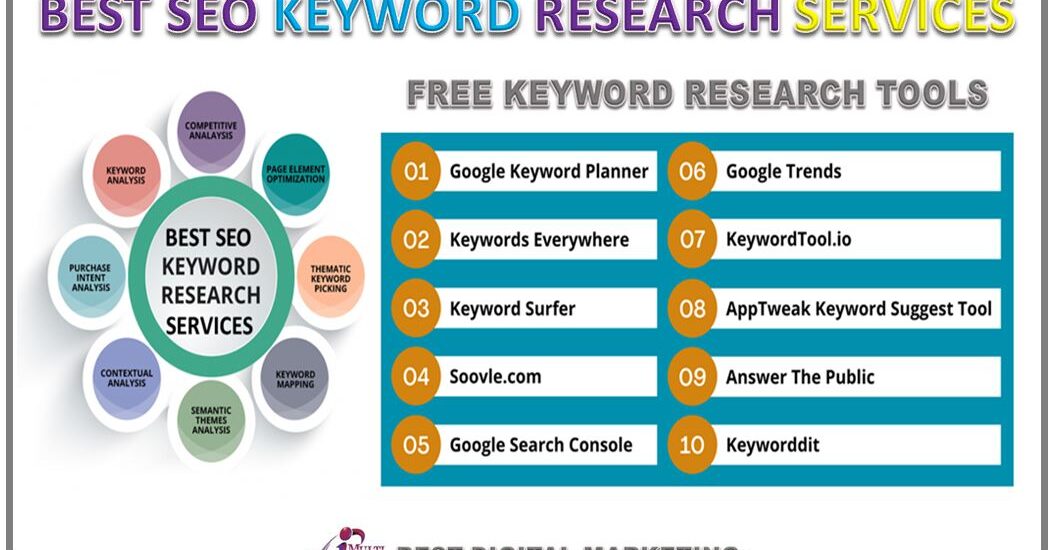
There are several tools available that can help you conduct an effective SEO analysis for keywords. These tools provide valuable insights into keyword performance metrics, such as search volume, click-through rates, and keyword difficulty. By using these tools, you can make informed decisions about which keywords to target in your content.
Implementing Keyword Optimization Strategies
Once you have identified the most relevant keywords for your website, it’s important to optimise your content accordingly. This includes strategically placing keywords in key areas such as page titles, meta descriptions, headers, and body content. By optimising your content with targeted keywords, you can improve your site’s visibility in search engine results.
Monitoring and Adjusting Your Keyword Strategy
SEO analysis is an ongoing process that requires regular monitoring and adjustment. By tracking the performance of your chosen keywords using analytics tools, you can identify trends and make necessary changes to improve your SEO strategy over time. This iterative approach ensures that your website remains competitive in search engine rankings.
Conclusion
In conclusion, conducting SEO analysis for keywords is essential for maximising the effectiveness of your digital marketing efforts. By selecting and optimising the right keywords for your website, you can attract targeted traffic and improve your site’s visibility in search engine results. With a strategic approach to keyword optimization and regular monitoring of performance metrics, you can enhance your overall SEO strategy and achieve long-term success online.
13 Frequently Asked Questions About SEO Keyword Analysis
- How do you analyze keyword performance?
- What is keywords analysis?
- How do you analyze keywords for SEM?
- How do you run a keyword analysis?
- What should be included in SEO analysis?
- How do I Analyse my Google keywords?
- What is SEO score for keywords?
- How do you analyze keywords?
- What is keyword search analysis?
- How do I analyze keywords for SEO?
- How do I Analyse keywords in Google Analytics?
- Can you use Google Analytics for keyword research?
- Is SEO keyword analysis important?
How do you analyze keyword performance?
When it comes to analysing keyword performance in SEO, there are several key metrics and tools that can help evaluate the effectiveness of chosen keywords. One common method is to monitor metrics such as search volume, click-through rates, and keyword ranking positions in search engine results pages. Utilising tools like Google Analytics and keyword research platforms can provide valuable insights into how well keywords are driving traffic to a website and generating conversions. By tracking these performance indicators over time and making data-driven decisions, businesses can refine their keyword strategies to improve visibility and attract more relevant traffic to their websites.
What is keywords analysis?
Keyword analysis is a fundamental aspect of Search Engine Optimization (SEO) that involves researching and evaluating the keywords or phrases that users commonly search for in search engines. By conducting keyword analysis, digital marketers can identify the most relevant and high-performing keywords to target in their website content. This process helps improve a website’s visibility in search engine results and attract targeted traffic. Keyword analysis considers factors such as search volume, competition level, and user intent to determine the most effective keywords to incorporate into a website’s content strategy. Ultimately, keyword analysis plays a crucial role in enhancing a website’s SEO performance and driving organic traffic to the site.
How do you analyze keywords for SEM?
Analyzing keywords for Search Engine Marketing (SEM) involves a strategic approach to selecting the most effective keywords to target in paid search campaigns. To conduct keyword analysis for SEM, it is essential to consider factors such as search volume, competition level, and relevance to the target audience. By using tools like Google Keyword Planner and SEMrush, marketers can gather valuable data on keyword performance metrics and identify opportunities to maximise the impact of their SEM campaigns. Through thorough keyword analysis, SEM professionals can make informed decisions on which keywords to bid on, allocate budget effectively, and optimise ad copy to enhance click-through rates and conversions.
How do you run a keyword analysis?
To run a keyword analysis effectively, start by brainstorming a list of relevant keywords related to your website’s content and target audience. Utilise keyword research tools such as Google Keyword Planner, SEMrush, or Ahrefs to identify high-volume and low-competition keywords. Analyse the search volume, competition level, and user intent for each keyword to determine its potential effectiveness. Consider long-tail keywords for more specific targeting. Once you have selected your target keywords, strategically incorporate them into your website content, including meta tags, headers, and body text. Monitor the performance of your chosen keywords using analytics tools and adjust your strategy as needed to improve search engine visibility and drive targeted traffic to your site.
What should be included in SEO analysis?
When conducting SEO analysis for keywords, it is essential to consider several key factors to ensure an effective strategy. Firstly, it is crucial to identify relevant and high-performing keywords that align with your website’s content and target audience. Understanding search volume, competition level, and user intent for each keyword is vital for selecting the most impactful ones. Additionally, analysing keyword performance metrics such as click-through rates, keyword difficulty, and trends over time can provide valuable insights into the effectiveness of your chosen keywords. By incorporating these elements into your SEO analysis, you can develop a comprehensive keyword strategy that enhances your website’s visibility and drives targeted traffic.
How do I Analyse my Google keywords?
To analyse your Google keywords effectively, start by using Google’s own tools such as Google Keyword Planner. This tool allows you to research keywords, view search volume data, and identify relevant terms for your website. Additionally, monitor your website’s performance in Google Search Console to track keyword rankings, impressions, and clicks. Analyse the data to identify high-performing keywords that drive traffic to your site and optimise your content accordingly. By regularly reviewing and adjusting your keyword strategy based on this analysis, you can improve your website’s visibility in Google search results and attract more targeted visitors.
What is SEO score for keywords?
The SEO score for keywords is a metric that evaluates how well a particular keyword is optimised for search engine visibility. This score takes into account various factors, such as keyword relevance, search volume, competition level, and user intent. A high SEO score indicates that a keyword is well-suited for driving organic traffic to a website, while a low score suggests that further optimisation may be needed to improve visibility in search engine results. By monitoring and improving the SEO scores of targeted keywords, website owners can enhance their overall search engine optimisation strategy and increase their chances of ranking higher in search results.
How do you analyze keywords?
To effectively analyse keywords for SEO, it is essential to start by conducting comprehensive research to identify relevant and high-performing keywords. Utilising keyword research tools can provide valuable insights into factors such as search volume, competition level, and user intent. Once the most suitable keywords are identified, they should be strategically incorporated into website content, including page titles, meta descriptions, headers, and body text. Regular monitoring of keyword performance using analytics tools is crucial to track progress and make necessary adjustments to the keyword strategy. By following a systematic approach to analysing keywords and implementing best practices in keyword optimisation, businesses can enhance their online visibility and attract targeted traffic to their websites.
What is keyword search analysis?
Keyword search analysis is a fundamental aspect of Search Engine Optimization (SEO) that involves researching and evaluating the effectiveness of keywords to improve a website’s visibility in search engine results. This process entails identifying relevant keywords that users are likely to use when searching for specific information, products, or services online. By conducting keyword search analysis, digital marketers can gain valuable insights into search trends, competition levels, and user intent, allowing them to strategically optimise website content with the most impactful keywords. Ultimately, keyword search analysis plays a crucial role in enhancing a website’s search engine ranking and attracting targeted traffic to the site.
How do I analyze keywords for SEO?
When it comes to analysing keywords for SEO, the process involves several key steps to ensure effective optimisation of your website content. Firstly, it is essential to conduct thorough research to identify relevant keywords that align with your target audience and business objectives. Utilising keyword research tools can provide valuable insights into search volume, competition levels, and user intent. Once you have identified potential keywords, analysing their performance metrics such as click-through rates and keyword difficulty can help determine their effectiveness. Implementing these selected keywords strategically in your content, including page titles, meta descriptions, headers, and body text, is crucial for improving your site’s visibility in search engine results. Regular monitoring and adjustment of your keyword strategy based on analytics data are also vital to ensure ongoing success in SEO efforts.
How do I Analyse keywords in Google Analytics?
When it comes to analysing keywords in Google Analytics, there are specific steps you can follow to gain valuable insights into your website’s performance. To begin, navigate to the ‘Acquisition’ section in Google Analytics and select ‘All Traffic’ followed by ‘Channels’. From there, click on ‘Organic Search’ to view the keywords that users are using to find your site through search engines. Additionally, you can utilise the ‘Search Console’ integration within Google Analytics to access more detailed keyword data, including impressions, clicks, and average position. By analysing this information, you can identify high-performing keywords and tailor your SEO strategy accordingly to improve your website’s visibility and reach online.
Can you use Google Analytics for keyword research?
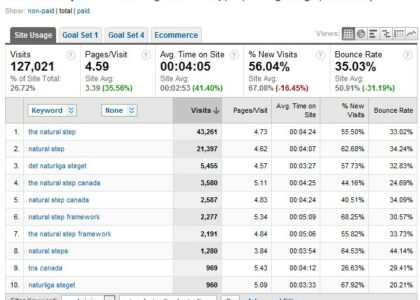
When it comes to keyword research, Google Analytics can provide valuable insights into the performance of keywords that drive traffic to your website. While Google Analytics does not directly provide keyword data due to privacy reasons, you can still analyse organic search traffic and user behaviour on your site to understand which keywords are driving the most visitors. By examining metrics such as organic search traffic, bounce rates, and conversion rates for different landing pages, you can glean valuable information about the effectiveness of your current keyword strategy. Additionally, integrating Google Search Console with Google Analytics can further enhance your keyword research efforts by providing more detailed data on search queries that lead users to your site.
Is SEO keyword analysis important?
Understanding the importance of SEO keyword analysis is crucial for any digital marketing strategy. SEO keyword analysis plays a pivotal role in enhancing a website’s visibility and attracting targeted traffic. By conducting thorough keyword analysis, businesses can identify the most relevant and high-performing keywords to target in their content. This process helps improve search engine rankings, increase organic traffic, and ultimately drive conversions. In essence, SEO keyword analysis is not just important – it is essential for achieving success in the competitive online landscape.