

The Importance of Search Engine Optimisation Analysis
Search Engine Optimisation (SEO) analysis is a crucial process for any website looking to improve its online visibility and attract more organic traffic. By conducting a comprehensive SEO analysis, website owners can gain valuable insights into how well their site is performing in search engine results pages (SERPs) and identify areas for improvement.
Key Benefits of SEO Analysis:
- Identifying Keywords: SEO analysis helps in identifying relevant keywords that users are searching for. By targeting the right keywords, websites can increase their chances of ranking higher in search results.
- Competitor Analysis: Understanding what strategies competitors are using can provide valuable insights into how to improve your own SEO efforts and stay ahead in the competitive online landscape.
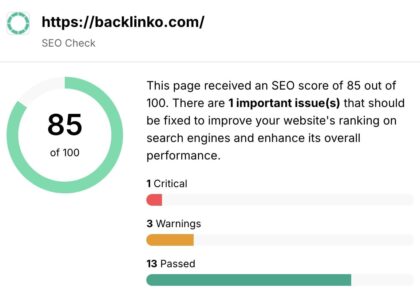
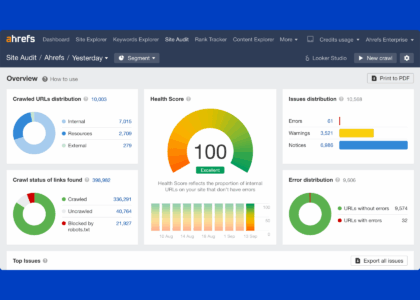
- Site Audit: Conducting a thorough audit of your website’s technical aspects, content quality, and user experience can uncover issues that may be hindering its performance in search engines.
- Backlink Analysis: Analysing backlinks pointing to your site can help identify potential opportunities for link building and improve your site’s authority and credibility.
- Monitoring Performance: Regular SEO analysis allows you to track the performance of your website over time, measure the effectiveness of your SEO strategies, and make data-driven decisions to achieve better results.
Tips for Effective SEO Analysis:
- Use SEO Tools: Utilise tools such as Google Analytics, Google Search Console, SEMrush, or Moz to gather data and insights about your website’s performance.
- Stay Updated: Keep up-to-date with the latest trends and algorithm changes in the world of SEO to adapt your strategies accordingly.
- Actionable Recommendations: Ensure that your SEO analysis provides actionable recommendations that can be implemented to improve your website’s search engine rankings.
- Regular Monitoring: Make SEO analysis a regular part of your digital marketing strategy to continuously optimise your site for better visibility and traffic.
In conclusion, conducting regular SEO analysis is essential for any website looking to enhance its online presence and drive more organic traffic. By understanding key metrics, identifying areas for improvement, and implementing effective strategies based on data-driven insights, websites can achieve better rankings in search engine results pages and reach their target audience more effectively.
Six Essential Tips for Effective Search Engine Optimisation Analysis
- Regularly monitor your website’s performance using tools like Google Analytics and Search Console.
- Conduct keyword research to understand what terms your target audience is searching for.
- Optimize your meta tags, headings, and content with relevant keywords to improve search engine visibility.
- Ensure your website has a clear site structure and internal linking for better navigation and indexing by search engines.
- Monitor backlinks to your site and disavow any toxic links that could harm your SEO efforts.
- Regularly audit and update your content to keep it fresh, relevant, and engaging for both users and search engines.
Regularly monitor your website’s performance using tools like Google Analytics and Search Console.
Regularly monitoring your website’s performance using tools such as Google Analytics and Search Console is essential for effective search engine optimisation analysis. These tools provide valuable data insights into your website’s traffic, user behaviour, keyword performance, and more. By regularly reviewing this data, you can identify trends, track the impact of your SEO efforts, and make informed decisions to improve your site’s visibility in search engine results pages. Consistent monitoring allows you to stay proactive in addressing any issues that may arise and continuously optimise your website for better search engine rankings.
Conduct keyword research to understand what terms your target audience is searching for.
Conducting thorough keyword research is a fundamental aspect of effective search engine optimisation analysis. By understanding the specific terms and phrases that your target audience is searching for, you can tailor your website’s content to align with their interests and needs. This strategic approach not only enhances your site’s visibility in search engine results but also increases the likelihood of attracting relevant organic traffic. Keyword research serves as a valuable foundation for developing a successful SEO strategy that resonates with your audience and drives meaningful engagement on your website.
Optimize your meta tags, headings, and content with relevant keywords to improve search engine visibility.
To enhance search engine visibility, it is essential to optimise meta tags, headings, and content by incorporating relevant keywords. By strategically placing these keywords in meta tags (such as title tags and meta descriptions), headings (H1, H2, etc.), and throughout the content, websites can signal to search engines the relevance of their pages to users’ search queries. This practice not only improves the chances of ranking higher in search results but also helps attract targeted organic traffic looking for specific information or services related to those keywords.
Ensure your website has a clear site structure and internal linking for better navigation and indexing by search engines.
Ensuring that your website maintains a clear and well-organised site structure, along with implementing strategic internal linking, is essential for enhancing user experience and facilitating efficient indexing by search engines. A logical site hierarchy not only helps visitors navigate your site easily but also enables search engine crawlers to understand the relationship between different pages, ultimately improving the overall visibility and ranking of your website in search results. By incorporating a coherent site structure and relevant internal links, you can enhance the accessibility of your content, encourage deeper exploration of your website, and boost its SEO performance.
Monitor backlinks to your site and disavow any toxic links that could harm your SEO efforts.
Monitoring the backlinks to your site is a critical aspect of search engine optimisation analysis. By regularly checking and evaluating the quality of backlinks pointing to your website, you can identify any toxic links that may have a detrimental impact on your SEO efforts. It is essential to disavow these harmful links through tools like Google’s Disavow Links tool to ensure that they do not negatively affect your site’s search engine rankings and overall online reputation. Proactively managing your backlink profile in this way can help maintain the health and credibility of your website in the eyes of search engines, ultimately contributing to better SEO performance.
Regularly audit and update your content to keep it fresh, relevant, and engaging for both users and search engines.
Regularly auditing and updating your website’s content is a crucial aspect of effective search engine optimisation analysis. By keeping your content fresh, relevant, and engaging, you not only provide value to your users but also signal to search engines that your site is active and up-to-date. Updating content with new information, incorporating relevant keywords, and improving overall readability can help improve your site’s visibility in search results and enhance user experience. Consistent content audits ensure that your website remains competitive in the ever-evolving digital landscape, attracting more organic traffic and maintaining a strong online presence.