
The Importance of SEO Analysis with Google Analytics
Search Engine Optimization (SEO) is crucial for any website looking to improve its online visibility and attract more organic traffic. One of the most powerful tools for monitoring and analysing SEO performance is Google Analytics. By utilising the insights provided by Google Analytics, website owners can make informed decisions to enhance their SEO strategies.
Key Benefits of Using Google Analytics for SEO Analysis
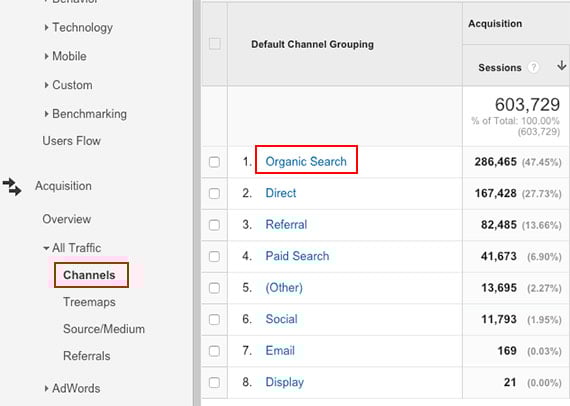
Tracking Website Traffic: Google Analytics allows you to track the volume of traffic coming to your website, including the sources of that traffic (organic search, direct, referral, etc.). This information helps you understand which channels are driving the most visitors to your site.
Monitoring Keyword Performance: By analysing the keywords that visitors use to find your website, you can identify high-performing keywords and optimise your content around them. This insight enables you to improve your search engine rankings for relevant search queries.
Assessing User Behaviour: Google Analytics provides data on user behaviour, such as bounce rate, time on page, and pages per session. Understanding how users interact with your site helps you identify areas for improvement and optimisation to enhance user experience.
Measuring Conversion Rates: Conversion tracking in Google Analytics allows you to measure the effectiveness of your SEO efforts in converting visitors into leads or customers. By setting up goals and tracking conversions, you can evaluate the success of your SEO campaigns.
How to Conduct SEO Analysis Using Google Analytics
To perform effective SEO analysis with Google Analytics, follow these steps:
- Create an account and set up Google Analytics for your website.
- Identify key performance indicators (KPIs) related to SEO goals, such as organic traffic growth or keyword rankings.
- Use reports in Google Analytics like Acquisition, Behaviour, and Conversions to gain insights into your website’s performance.
- Analyse data trends over time and make data-driven decisions to optimise your SEO strategy.
In Conclusion
SEO analysis with Google Analytics is a powerful tool that can help website owners improve their search engine rankings and drive more targeted traffic to their sites. By leveraging the valuable insights provided by Google Analytics, businesses can refine their SEO strategies for better online visibility and increased success in the digital landscape.
8 Essential Tips for SEO Analysis Using Google Analytics
- Set up goals in Google Analytics to track conversions.
- Use the Search Console integration to analyse organic search performance.
- Monitor bounce rates to assess user engagement on your site.
- Analyse landing pages to identify high-performing content.
- Utilise the Behaviour Flow report to understand user navigation paths.
- Regularly check site speed metrics for SEO optimization.
- Create custom reports for specific SEO analysis needs.
- Track keyword performance and adjust content strategy accordingly.
Set up goals in Google Analytics to track conversions.
Setting up goals in Google Analytics is a crucial tip for effective SEO analysis. By defining specific conversion actions, such as form submissions or product purchases, as goals, website owners can track and measure the success of their SEO efforts in driving desired outcomes. Monitoring conversions provides valuable insights into the effectiveness of SEO strategies and helps businesses make informed decisions to optimise their online presence for better results.
Use the Search Console integration to analyse organic search performance.
Utilising the Search Console integration in Google Analytics is a valuable tip for conducting SEO analysis. By leveraging this feature, website owners can gain deeper insights into their organic search performance. The integration allows users to view important data such as click-through rates, impressions, and average position for specific keywords. Analysing this information helps in identifying opportunities to improve search engine rankings and enhance overall SEO strategies. By combining the power of Google Analytics with Search Console integration, businesses can make informed decisions to boost their online visibility and attract more organic traffic effectively.
Monitor bounce rates to assess user engagement on your site.
Monitoring bounce rates is a key aspect of SEO analysis using Google Analytics. By tracking bounce rates, website owners can assess user engagement on their site. A high bounce rate may indicate that visitors are not finding the content they expect or that the website is not user-friendly. Analysing bounce rates can help identify areas for improvement, such as enhancing page content, improving site navigation, or optimising loading speed. By addressing factors that contribute to high bounce rates, businesses can enhance user engagement and ultimately improve their SEO performance.
Analyse landing pages to identify high-performing content.
Analysing landing pages in Google Analytics is a crucial tip for effective SEO analysis. By examining the performance of different landing pages, website owners can identify content that resonates well with visitors and drives engagement. Understanding which landing pages are high-performing allows businesses to focus their efforts on optimising those pages further to improve search engine rankings and user experience. This data-driven approach enables website owners to make informed decisions about content strategy and ultimately enhance their SEO performance.
Utilise the Behaviour Flow report to understand user navigation paths.
By utilising the Behaviour Flow report in Google Analytics, website owners can gain valuable insights into user navigation paths on their site. This report visually displays how users move through the website, showing the sequence of pages they visit and where they drop off. Understanding user navigation paths helps identify popular pages, potential bottlenecks, and areas for improvement in the website’s structure and content. Analyzing this data enables businesses to enhance user experience, increase engagement, and ultimately improve their SEO performance by optimising the website for better user interaction.
Regularly check site speed metrics for SEO optimization.
Regularly monitoring site speed metrics is a crucial aspect of SEO analysis using Google Analytics. A fast-loading website not only enhances user experience but also plays a significant role in search engine rankings. By checking and optimising site speed metrics consistently, website owners can improve their SEO performance and ensure that visitors have a seamless browsing experience. Slow loading times can lead to increased bounce rates and lower search engine visibility, making it essential to prioritise site speed as part of an effective SEO strategy.
Create custom reports for specific SEO analysis needs.
Creating custom reports in Google Analytics is a valuable tip for conducting SEO analysis tailored to specific needs. By customising reports to focus on key SEO metrics such as organic traffic sources, keyword performance, or user behaviour, website owners can gain deeper insights into their website’s search engine optimisation efforts. These custom reports enable a more targeted analysis that can uncover opportunities for improvement and inform strategic decisions to enhance SEO performance effectively.
Track keyword performance and adjust content strategy accordingly.
Tracking keyword performance using Google Analytics is a vital aspect of effective SEO analysis. By monitoring the keywords that drive traffic to your website, you can gain valuable insights into user search behaviour and preferences. Adjusting your content strategy based on this data allows you to optimise your website for relevant keywords, improve search engine rankings, and ultimately attract more organic traffic. Consistently reviewing and refining your content strategy based on keyword performance data is key to achieving long-term SEO success.