
The Convergence of AI and IoT: Transforming the Future
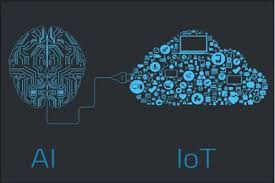
As technology continues to evolve at an unprecedented pace, two of the most transformative forces—Artificial Intelligence (AI) and the Internet of Things (IoT)—are converging to create a new wave of innovation. This synergy is not only reshaping industries but also redefining how we interact with the world around us.
Understanding AI and IoT
Artificial Intelligence (AI) refers to the simulation of human intelligence processes by machines, particularly computer systems. These processes include learning, reasoning, problem-solving, perception, and language understanding. AI technologies are designed to analyse data, recognise patterns, and make decisions with minimal human intervention.
The Internet of Things (IoT) is a network of interconnected devices that communicate with each other over the internet. These devices can range from everyday household items like refrigerators and thermostats to industrial machinery. IoT enables these devices to collect and exchange data, providing valuable insights and enhancing operational efficiency.
The Power of Integration
When AI meets IoT, the possibilities are endless. The integration of these technologies allows for smarter decision-making processes through enhanced data analysis capabilities. Here are some key areas where their convergence is making a significant impact:
- Smart Homes: AI-powered IoT devices in smart homes can learn user preferences over time, adjusting lighting, temperature, or even suggesting entertainment options based on past behaviour.
- Healthcare: Wearable IoT devices equipped with AI can monitor patient health in real-time, predict potential health issues before they become critical, and provide personalised treatment recommendations.
- Manufacturing: In smart factories, AI-driven analytics on IoT-collected data can optimise production lines by predicting equipment failures before they occur and improving overall efficiency.
- Agriculture: AI algorithms analyse data from IoT sensors placed in fields to optimise irrigation schedules, predict crop yields more accurately, and reduce resource wastage.
Challenges and Considerations
The convergence of AI and IoT also presents several challenges that need addressing:
- Data Security: With increased connectivity comes heightened risk for cyber threats. Ensuring robust security measures are in place is crucial to protect sensitive information.
- Interoperability: As more devices become interconnected, ensuring seamless communication between different systems remains a challenge.
- Privacy Concerns: The vast amount of data collected by IoT devices raises concerns about user privacy. Transparent policies regarding data usage are essential to maintain trust.
The Road Ahead
The fusion of AI and IoT is still in its early stages but holds immense potential for future innovations across various sectors. As these technologies continue to mature together, they will undoubtedly drive significant advancements that will revolutionise our daily lives.
This dynamic duo promises not only enhanced convenience but also greater efficiency across industries—heralding a new era where machines not only connect but also think intelligently on behalf of humans.
7 Essential Tips for Secure and Efficient Use of AI and IoT Technologies
- Ensure data security and privacy measures are in place when using AI and IoT technologies.
- Regularly update software and firmware to protect against potential security vulnerabilities.
- Implement proper authentication mechanisms to prevent unauthorised access to AI and IoT devices.
- Consider the ethical implications of AI algorithms and ensure transparency in decision-making processes.
- Integrate AI and IoT systems seamlessly to improve efficiency and productivity in various applications.
- Provide adequate training for users to effectively utilise AI and IoT technologies for optimal results.
- Monitor performance metrics continuously to identify areas for improvement and enhance overall system functionality.
Ensure data security and privacy measures are in place when using AI and IoT technologies.
In the rapidly evolving landscape of AI and IoT technologies, ensuring robust data security and privacy measures is paramount. As these devices collect vast amounts of sensitive information, they become attractive targets for cyber threats. Implementing strong encryption protocols, regular security audits, and comprehensive access controls can help safeguard data integrity. Additionally, adhering to privacy regulations and maintaining transparency with users about how their data is collected and utilised fosters trust and confidence. By prioritising these measures, organisations can mitigate risks while harnessing the full potential of AI and IoT innovations.
Regularly update software and firmware to protect against potential security vulnerabilities.
In the rapidly evolving landscape of AI and IoT, regularly updating software and firmware is crucial to safeguarding against potential security vulnerabilities. As these technologies become more integrated into daily life and business operations, they also become attractive targets for cyber threats. Software updates often include patches for newly discovered vulnerabilities, ensuring that devices remain secure against the latest risks. By keeping systems up-to-date, users can protect sensitive data, maintain device functionality, and ensure that their AI and IoT solutions continue to operate efficiently. Neglecting these updates not only compromises security but can also lead to performance issues and increased susceptibility to cyber attacks.
Implement proper authentication mechanisms to prevent unauthorised access to AI and IoT devices.
In the rapidly evolving landscape of AI and IoT, ensuring the security of devices and systems is paramount. Implementing proper authentication mechanisms is a crucial step in preventing unauthorised access to these technologies. As AI and IoT devices often handle sensitive data and perform critical tasks, robust authentication protocols are essential to safeguard against potential breaches. This includes using strong, unique passwords, employing multi-factor authentication, and regularly updating security measures to address emerging threats. By prioritising secure access controls, organisations can protect their networks from malicious actors and maintain the integrity of their AI and IoT deployments.
Consider the ethical implications of AI algorithms and ensure transparency in decision-making processes.
As the integration of AI and IoT continues to advance, it is crucial to consider the ethical implications that accompany these technologies. AI algorithms have the power to make decisions that can significantly impact individuals and communities, raising concerns about fairness, accountability, and bias. Ensuring transparency in decision-making processes is essential to build trust and maintain public confidence. This involves clearly communicating how data is collected, analysed, and used by AI systems within IoT networks. By prioritising ethical considerations and transparency, organisations can harness the full potential of AI and IoT while safeguarding the rights and interests of all stakeholders involved.
Integrate AI and IoT systems seamlessly to improve efficiency and productivity in various applications.
Integrating AI and IoT systems seamlessly can significantly enhance efficiency and productivity across a wide range of applications. By combining the data-gathering capabilities of IoT devices with the analytical power of AI, organisations can optimise processes, reduce operational costs, and make more informed decisions. For instance, in manufacturing, AI-driven insights from IoT-collected data can predict equipment failures before they occur, minimising downtime and maintenance costs. In smart cities, this integration can lead to improved traffic management and energy usage optimisation. Ultimately, the seamless fusion of these technologies allows for smarter operations that adapt dynamically to changing conditions, driving innovation and competitive advantage.
Provide adequate training for users to effectively utilise AI and IoT technologies for optimal results.
Incorporating AI and IoT technologies into everyday operations offers significant advantages, but to fully harness their potential, it is crucial to provide adequate training for users. Proper training ensures that individuals understand how to effectively utilise these advanced tools, enabling them to interpret data accurately and make informed decisions. By equipping users with the necessary skills and knowledge, organisations can optimise the benefits of AI and IoT, leading to improved efficiency and productivity. Additionally, well-trained users are better prepared to troubleshoot issues, adapt to new updates or features, and maximise the return on investment in these technologies. Ultimately, investing in comprehensive training programmes is essential for achieving optimal results from AI and IoT implementations.
Monitor performance metrics continuously to identify areas for improvement and enhance overall system functionality.
Monitoring performance metrics continuously is a crucial tip when it comes to leveraging the power of Artificial Intelligence (AI) and the Internet of Things (IoT). By keeping a close eye on key performance indicators, businesses can swiftly identify areas for enhancement and fine-tune system functionality. This proactive approach not only ensures optimal efficiency but also allows for timely adjustments to be made, ultimately leading to a more streamlined and effective AI-driven IoT ecosystem.