
Search Optimisation Analysis: A Practical Guide
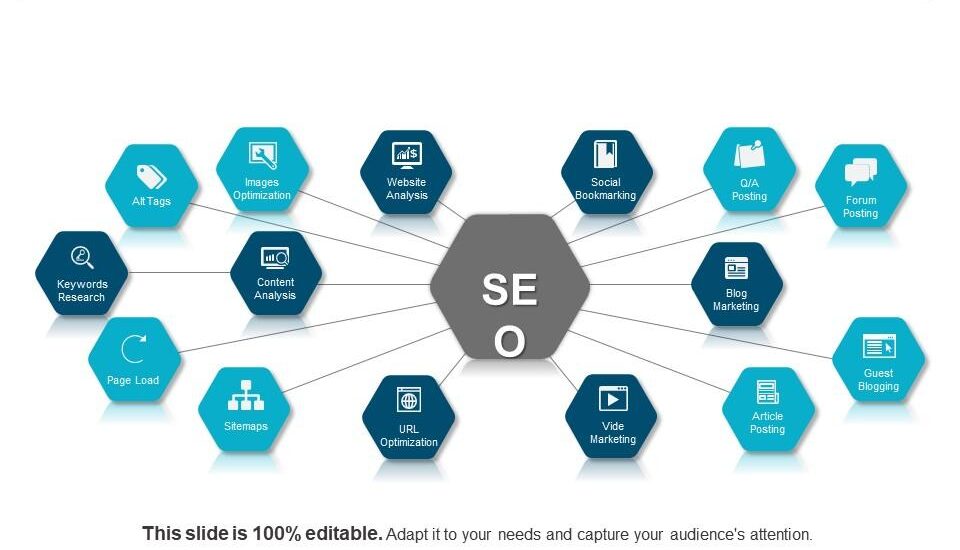
Search optimisation analysis is the process of assessing how well a website performs in search engines and identifying opportunities to improve its visibility. It combines technical checks, content review, keyword research and competitor analysis to build a clearer picture of what is working and what needs attention.
Whether you manage a small business website or a large online store, regular analysis can help you attract more relevant visitors, improve the experience for users and make better use of your content.
What Does Search Optimisation Analysis Involve?
A thorough analysis looks at several connected areas of a website. Search engines need to be able to find and understand pages, while visitors need to find useful information and complete their intended tasks. Effective optimisation supports both.
- Technical SEO: Checks how accessible, fast and easy to crawl the website is.
- On-page SEO: Reviews page titles, headings, internal links and other elements that help explain each page.
- Content quality: Assesses whether content is accurate, useful, clear and relevant to the audience.
- Keyword and search intent analysis: Examines the terms people use and the kind of information they expect to find.
- Backlink analysis: Reviews links from other websites and their relevance and quality.
- Performance measurement: Tracks visibility, traffic and meaningful business outcomes over time.
Start with the Website’s Goals
Before looking at rankings or traffic, define what the website is intended to achieve. A service business may want more qualified enquiries, while an online shop may focus on product sales. A publisher might prioritise readership, newsletter sign-ups or subscriptions.
Clear goals help distinguish useful search traffic from visits that do not contribute to the organisation’s objectives. They also guide decisions about which pages, audiences and search terms deserve attention first.
Review Technical Foundations
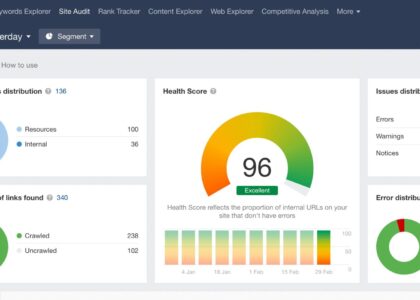
Technical issues can prevent search engines from accessing pages or make a website frustrating to use. An initial review should check that important pages can be crawled and indexed, that the site uses HTTPS and that there are no widespread broken links or incorrect redirects.
Page speed and mobile usability also matter. Pages should load reliably across different devices, and visitors should be able to read and interact with them without unnecessary delays. A clean site structure, an accurate XML sitemap and sensible canonical tags can further help search engines interpret the website.
Technical recommendations should be prioritised by their likely impact. A problem affecting hundreds of important pages is generally more urgent than a minor issue on a low-priority page.
Assess Content and Search Intent
Keyword research is not simply a matter of adding popular phrases to a page. The key is to understand the reason behind a search. Someone searching for a definition may want a concise explanation, while someone comparing suppliers may be looking for features, pricing or case studies.
Compare each important page with the needs of its intended audience. Ask whether it answers the main questions clearly, provides enough detail and offers a useful next step. Look for content that is out of date, duplicated, too thin to be helpful or competing with another page on the same website.
Improving content might involve updating facts, restructuring headings, adding examples or combining overlapping pages. It should not mean adding words for their own sake. Clarity and usefulness are more important than length.
Examine On-Page Elements
On-page elements help both readers and search engines understand a page. Review whether each important page has a distinct, descriptive title and a clear main heading. Headings should organise the content logically rather than serve as a place to repeat keywords.
Internal links can guide visitors to related information and help search engines discover key pages. Use descriptive link text that makes the destination clear. Images should have appropriate file names and alternative text where the image conveys useful information; decorative images can usually be handled differently.
Analyse Competitors and Backlinks
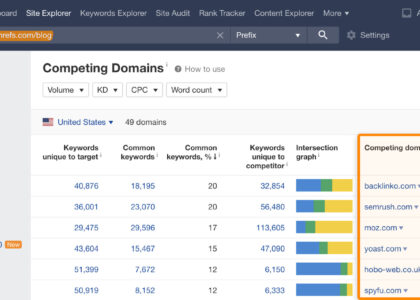
Competitor analysis can reveal the types of content and services that are visible for relevant searches. This is not an invitation to copy another website. Instead, compare the information available, identify gaps and consider how your own pages can be more helpful or better suited to your audience.
Backlink analysis looks at websites that link to yours. Relevant links can help establish authority, but link counts alone provide little context. Review whether links come from genuine, trustworthy sources and whether they refer to useful content. Avoid tactics designed to manipulate rankings, as these can put a website at risk.
Use Data to Set Priorities
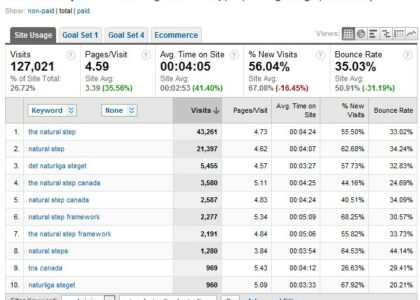
Search performance data can highlight changes in impressions, clicks, rankings and landing-page traffic. Analytics data can then show what visitors do after arriving, such as making an enquiry, purchasing a product or viewing another page.
Look for patterns rather than reacting to every short-term fluctuation. Search performance can change because of seasonality, competition, website updates or changes to search results. Comparing suitable time periods and checking important pages individually can provide a more reliable view.
A useful action plan ranks tasks according to their potential value, effort and urgency. For example, resolving an indexing issue on a key service page may take priority over refining a minor heading on a page that receives little traffic.
Common Analysis Mistakes
- Focusing only on rankings: Rankings do not show whether visitors are relevant or whether the website is meeting its goals.
- Targeting every keyword: Pages should serve a clear audience and purpose, rather than being built around an extensive list of search terms.
- Ignoring the user experience: Visibility is of limited value if pages are difficult to use or do not answer visitors’ questions.
- Making changes without measurement: Record what was changed and review the results after an appropriate period.
- Expecting instant results: Search improvements often take time, and results can vary by market, competition and the scale of the work.
Turn Findings into Ongoing Improvement
Search optimisation analysis is most effective when it is treated as an ongoing process. Start with a clear audit, address the most important issues, measure the effect and revisit the plan as the website and audience evolve.
By combining technical checks, useful content, thoughtful keyword research and meaningful performance data, organisations can make informed improvements to their search presence. The goal is not simply to attract more visits, but to help the right people find information and take the next step with confidence.
Essential FAQs on Search Optimisation Analysis for Websites
- What is search optimisation analysis?
- Why is search optimisation analysis important for a website?
- What does a search optimisation analysis include?
- How often should a website undergo search optimisation analysis?
- Which tools can be used for search optimisation analysis?
- How do you measure the results of search optimisation analysis?
- How long does it take to see results after making changes based on a search optimisation analysis?
What is search optimisation analysis?
Search optimisation analysis is the process of reviewing a website to understand how well it performs in search engines and where it can be improved. It typically examines technical factors, content quality, keyword relevance, user experience and links from other websites. The findings help identify practical changes that can make pages easier to find, more useful to visitors and better aligned with the website’s goals.
Why is search optimisation analysis important for a website?
Search optimisation analysis is important because it shows how easily search engines can find, understand and rank your website, while highlighting what may be stopping potential visitors from reaching it. By reviewing technical performance, content, keywords and user behaviour, you can identify practical improvements, attract more relevant traffic and make it easier for visitors to find the information or services they need. Regular analysis also helps you measure progress and adapt as your audience and search trends change.
What does a search optimisation analysis include?
A search optimisation analysis reviews how well a website can be found, understood and used by both search engines and visitors. It typically covers technical SEO, such as crawlability, indexing, site speed and mobile usability; on-page elements, including titles, headings and internal links; content quality and relevance to search intent; keyword and competitor research; and backlink profiles. It also examines performance data, such as impressions, clicks and conversions, to identify priorities and recommend practical improvements.
How often should a website undergo search optimisation analysis?
A website should undergo a search optimisation analysis at least every six to twelve months, with regular monitoring of key performance indicators in between. More frequent reviews may be helpful for fast-changing industries, large websites or after significant updates to content, design or site structure. It is also worth carrying out an analysis when traffic or rankings change unexpectedly, so potential issues can be identified and addressed promptly.
Which tools can be used for search optimisation analysis?
Tools for search optimisation analysis include Google Search Console, which reports on search visibility, indexing and website issues, and Google Analytics 4, which helps assess what visitors do after arriving. Platforms such as Ahrefs, Semrush and Moz can support keyword research, competitor analysis and backlink reviews, while Screaming Frog SEO Spider can crawl a site to identify technical issues such as broken links and missing page titles. PageSpeed Insights and Lighthouse are useful for checking loading performance and user experience. The right combination depends on your goals and budget; many businesses start with free tools and add specialist platforms as their needs grow.
How do you measure the results of search optimisation analysis?
The results of search optimisation analysis are measured by tracking relevant changes over time, including organic impressions and clicks, search rankings, website visits and engagement. It is also important to monitor outcomes that matter to the business, such as enquiries, sales or sign-ups. Comparing performance before and after changes, while allowing enough time for search engines to respond, helps show which actions are making a difference.
How long does it take to see results after making changes based on a search optimisation analysis?
Results can take anywhere from a few weeks to several months, depending on the changes made, your website’s size and condition, competition, and how often search engines revisit your pages. Technical fixes may be recognised relatively quickly, while improvements to content and authority often take longer to affect rankings and traffic. Search performance can also fluctuate, so allow time to gather meaningful data and monitor progress against your goals rather than expecting an immediate change.