
The Importance of Using a Backlink Checker with Google Analytics
Backlinks are an essential aspect of SEO, as they play a significant role in determining a website’s ranking on search engine results pages. Google Analytics is a powerful tool that provides valuable insights into website traffic and user behaviour. When used in conjunction with a backlink checker, it can offer even more comprehensive data and help improve your SEO strategy.
Understanding Backlinks
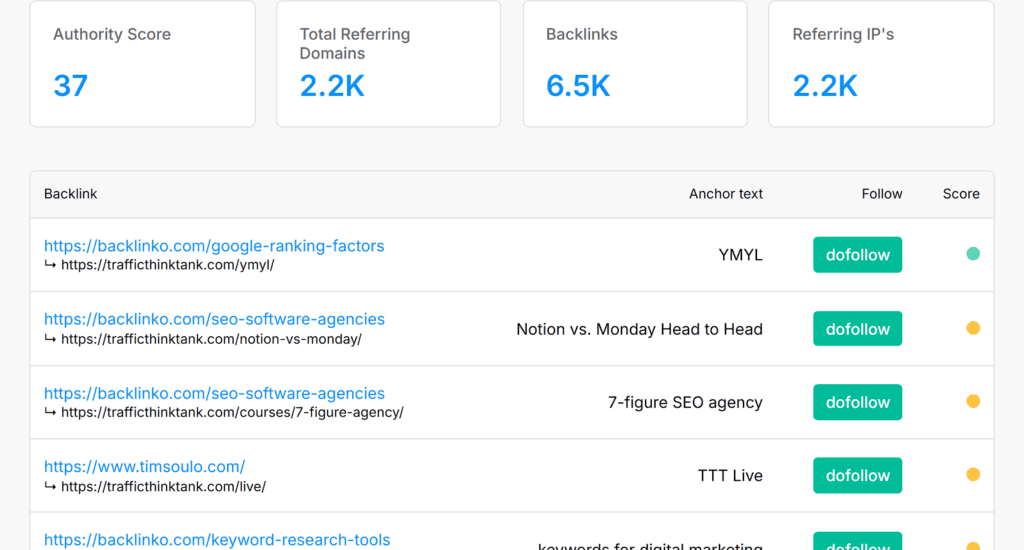
Backlinks are links from other websites that direct users to your site. Search engines like Google consider backlinks as votes of confidence in your content, which can positively impact your search rankings. By analysing backlinks, you can assess the quality and quantity of sites linking to yours, identify opportunities for improvement, and monitor your website’s authority in the eyes of search engines.
Enhancing SEO Strategy with Google Analytics
Google Analytics provides detailed information about website traffic, user demographics, behaviour, and more. By integrating a backlink checker with Google Analytics, you can gain insights into which backlinks are driving the most traffic to your site, how users interact with your content through these links, and the overall impact of backlinks on your SEO performance.
Benefits of Using Both Tools Together
- Identify high-quality backlinks: By combining Google Analytics data with backlink analysis, you can pinpoint which websites are sending valuable traffic to your site.
- Monitor link-building efforts: Track the effectiveness of your link-building campaigns by monitoring changes in referral traffic from specific backlinks.
- Improve SEO performance: Use data from both tools to refine your SEO strategy, focus on acquiring quality backlinks, and enhance overall website visibility.
Conclusion
Utilising a backlink checker alongside Google Analytics is crucial for maximising the effectiveness of your SEO efforts. By understanding the impact of backlinks on website traffic and search rankings, you can make informed decisions to enhance your online presence and drive sustainable growth. Take advantage of these powerful tools to stay ahead in the competitive digital landscape.
Maximising SEO Success: The Top 5 Benefits of Using Google Analytics for Backlink Checking
- 1. Enhanced backlink analysis
- 2. Improved SEO strategy
- 3. Better link-building evaluation
- 4. Comprehensive data integration
- 5. Increased competitive advantage
Challenges of Using Google Analytics for Backlink Checking: Limited Data, No Real-Time Updates, Complexity, and Third-Party Dependence
- Limited backlink data
- Lack of real-time updates
- Complexity for beginners
- Dependency on third-party tools
1. Enhanced backlink analysis
By integrating a backlink checker with Google Analytics, website owners gain access to enhanced backlink analysis. This combination offers a deeper understanding of the quality and quantity of backlinks directing traffic to their site. By examining this data, businesses can identify valuable sources of inbound links, assess the effectiveness of their link-building strategies, and make informed decisions to improve their overall SEO performance. The comprehensive insights provided by this integration empower website owners to refine their online presence and enhance their search engine rankings effectively.
2. Improved SEO strategy
By integrating a backlink checker with Google Analytics, you can enhance your SEO strategy significantly. The synergy between these tools allows you to make informed decisions based on comprehensive data analysis. By examining backlink performance and website traffic metrics, you can identify trends, strengths, and areas for improvement in your SEO approach. This data-driven approach enables you to refine and optimise your strategies effectively, leading to improved search engine rankings and enhanced online visibility.
3. Better link-building evaluation
By utilising a backlink checker in conjunction with Google Analytics, you can enhance your link-building evaluation process significantly. This approach allows you to closely monitor the impact of your link-building initiatives by tracking the referral traffic generated from specific backlinks identified through detailed analysis. By gaining insights into which backlinks are driving the most valuable traffic to your site, you can make informed decisions to refine your link-building strategy and focus on acquiring high-quality backlinks that contribute to improved SEO performance and enhanced website visibility.
4. Comprehensive data integration
By integrating Google Analytics with a backlink checker, you gain access to comprehensive data integration that provides a holistic view of your website’s online presence. This synergy allows you to identify valuable opportunities for growth and improvement by analysing the performance of backlinks in relation to website traffic and user behaviour. With a deeper understanding of how backlinks impact your site’s visibility and authority, you can make informed decisions to enhance your SEO strategy and achieve sustainable success in the digital landscape.
5. Increased competitive advantage
By combining a backlink checker with Google Analytics, you gain an increased competitive advantage in the digital landscape. Understanding the influence of backlinks on search rankings and user engagement enables you to outperform competitors and enhance your online visibility. This strategic use of tools not only helps you stay ahead in the ever-evolving SEO game but also empowers you to make informed decisions that drive sustainable growth for your website or business.
Limited backlink data
While Google Analytics offers valuable insights into website traffic and user behaviour, one notable con is its limited backlink data capabilities. In comparison to dedicated backlink checker tools, Google Analytics may not provide as comprehensive information regarding backlinks. This limitation can hinder a thorough analysis of backlink profiles, potentially overlooking valuable sources of traffic and hindering the ability to assess the quality and quantity of inbound links effectively. To overcome this drawback, businesses may need to supplement Google Analytics with specialised backlink checker tools to obtain a more in-depth understanding of their backlink profile and make informed decisions to enhance their SEO strategy.
Lack of real-time updates
One drawback of using a backlink checker with Google Analytics is the lack of real-time updates. Backlink information displayed in Google Analytics may not always reflect the most current data, resulting in potentially outdated insights. This delay in updating backlink data could hinder the ability to make timely decisions based on the most accurate information available, impacting the effectiveness of SEO strategies that rely on up-to-date backlink analysis.
Complexity for beginners
Navigating the complexities of backlink data within Google Analytics can pose a significant challenge for beginners in the realm of SEO analysis. Understanding and interpreting the wealth of information provided by both tools requires a certain level of expertise and familiarity with SEO practices. For newcomers, deciphering the nuances of backlink metrics and integrating them into a coherent SEO strategy may seem daunting. The learning curve associated with mastering these tools can be steep, potentially hindering users from fully harnessing the benefits of backlink checkers within Google Analytics.
Dependency on third-party tools
Dependency on third-party tools can be a significant drawback when using a backlink checker with Google Analytics. Integrating a separate tool introduces an additional layer of complexity to the analysis process, requiring users to navigate between different platforms and manage data from multiple sources. Moreover, there may be potential costs associated with acquiring and maintaining the backlink checker tool, which can impact the overall budget for SEO and analytics initiatives. This dependency on external tools underscores the importance of carefully evaluating the trade-offs between convenience and resource allocation when incorporating such solutions into your digital strategy.